


“Matcha–Pistachio–Taro” and Craft Bakery Dominate; Customized Drinks, Viral Menus from China–Korea–Japan, and the Halal Economy on the Rise
GrabFood, Thailand’s No. 1 food delivery app¹, has unveiled five cross-year food trends expected to continue gaining momentum in 2026. The insights come from the report “A Comprehensive Guide for 2026 Restaurateurs,” launched at the GrabThumbsUp Awards 2026. Leading the trends are three simple yet luxurious flavors matcha, pistachio, and taro which have become key ingredients across popular savory dishes, desserts, and beverages. Meanwhile, the craft bakery movement is expanding from niche to mainstream, highlighted by trending items such as sourdough and artisan sandwiches. Today’s favorite beverages are increasingly customizable, allowing consumers to tailor flavors and ingredients to suit their lifestyles—while remaining visually appealing for social media. At the same time, viral menu items from China, Korea, and Japan continue to captivate Thai food lovers, alongside emerging opportunities driven by Muslim tourists, particularly from the Middle East, fueling growth in Thailand’s Halal economy.
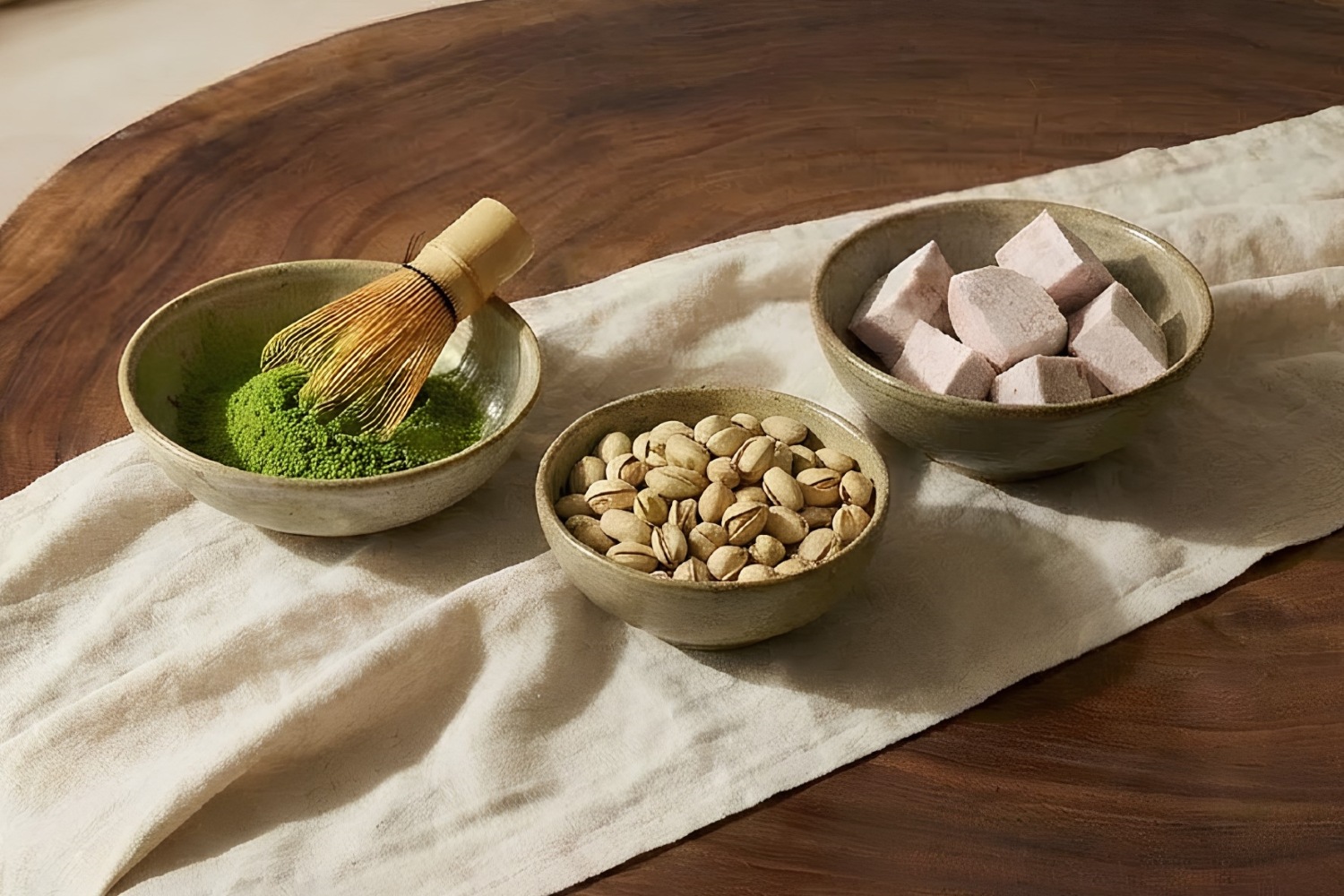
“Matcha–Pistachio–Taro”: Three Flavors Taking Over
2025 was undeniably the golden year of matcha, a trend that continues strongly into 2026. Equally popular are pistachio—now a star ingredient in trending desserts and bakeries such as pistachio tiramisu from PISTA& and pistachio egg tart from Hashtag B. Searches for pistachio menu items on GrabFood nearly doubled over the past year.
Another rising flavor is taro, especially in beverages. Taro milk tea became a standout menu addition at many shops last year, with sales on GrabFood growing more than twofold. Together, these three flavors reflect Thai consumers’ preference—particularly among foodies—for “Calming Luxury,” a simple yet refined aesthetic that continues to resonate this year.
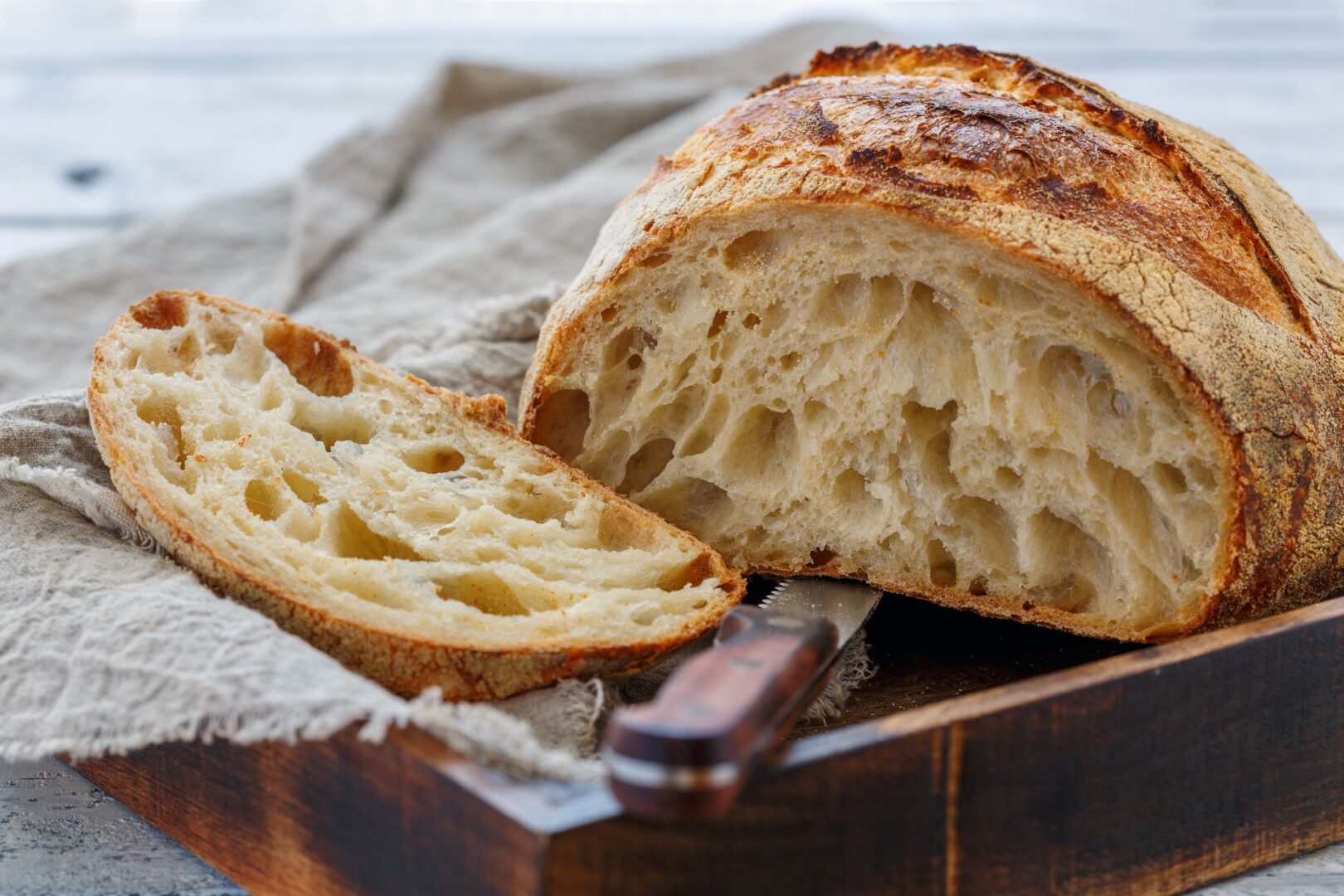
“Sourdough & Sandwiches”: Craft Bakery Goes Mainstream
In today’s market, ordinary bakery items are no longer enough. Consumers are becoming more discerning, paying closer attention to flour quality and texture. As a result, craft bakery has evolved beyond a niche or health-focused segment into a mainstream trend.
Sourdough, known for its crisp crust, chewy texture, and signature tangy finish from natural fermentation, has become especially popular. It is featured in trending menu items such as sourdough sandwiches from Holey Artisan Bakery and BARTELS.
At the same time, “Flavor Profile Pairing”—the blending of complex flavor layers—is gaining traction. One example is the creative fusion of Western techniques with bold Thai flavors in the “Khao Soi Bagel,” a collaboration between Singaporean bagel brand Two Men Bagel and Chiang Mai’s Ongtong Khao Soi, delivering a uniquely memorable experience.
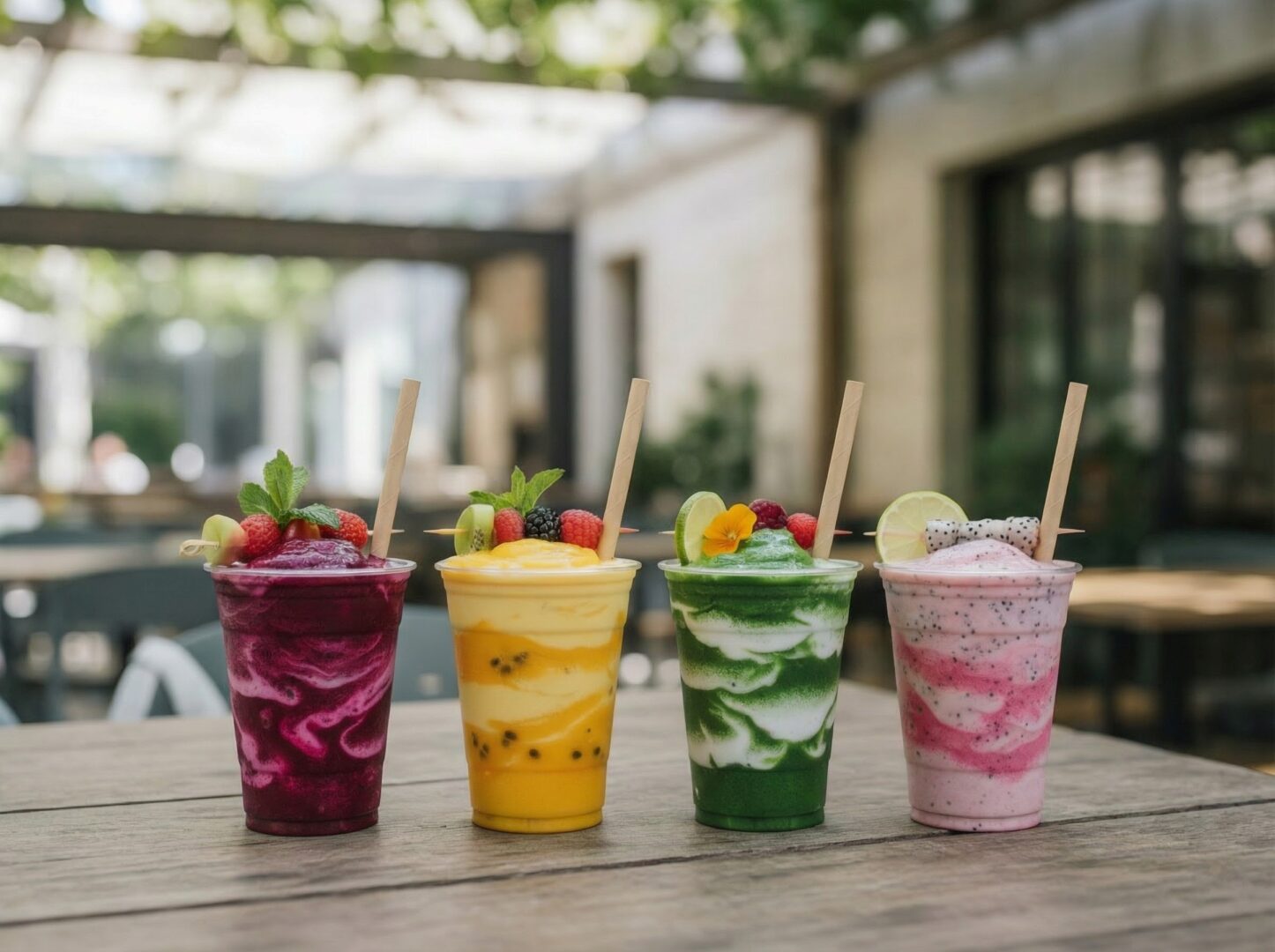
Customized Drinks: Personalized and Instagram-Worthy
Beverages today serve more than just refreshment—they reflect lifestyle and personal identity. The rise of customized drinks highlights consumers’ desire for greater personalization. Brands such as Boost Juice Bar and PASH Juices and Smoothies allow customers to add functional enhancements like plant protein, collagen, or prebiotics, transforming their favorite drinks into personalized wellness boosters.
Appearance is equally important. In the social media era, a beverage acts like an accessory that completes one’s look. Popular examples include the Toffee Coffee Latte from 1:2 Coffee and colorful layered smoothies from Oh! Juice and PLANTIFUL. Modern beverages must not only taste good but also be visually appealing to create shareable content and express individuality.
Viral Menus from China, Korea, and Japan Captivate Gen Z
Cultural influence from China, Korea, and Japan continues to shape Thailand through soft power—from music and films to food. Viral menu items from these countries are making waves among Thai consumers.
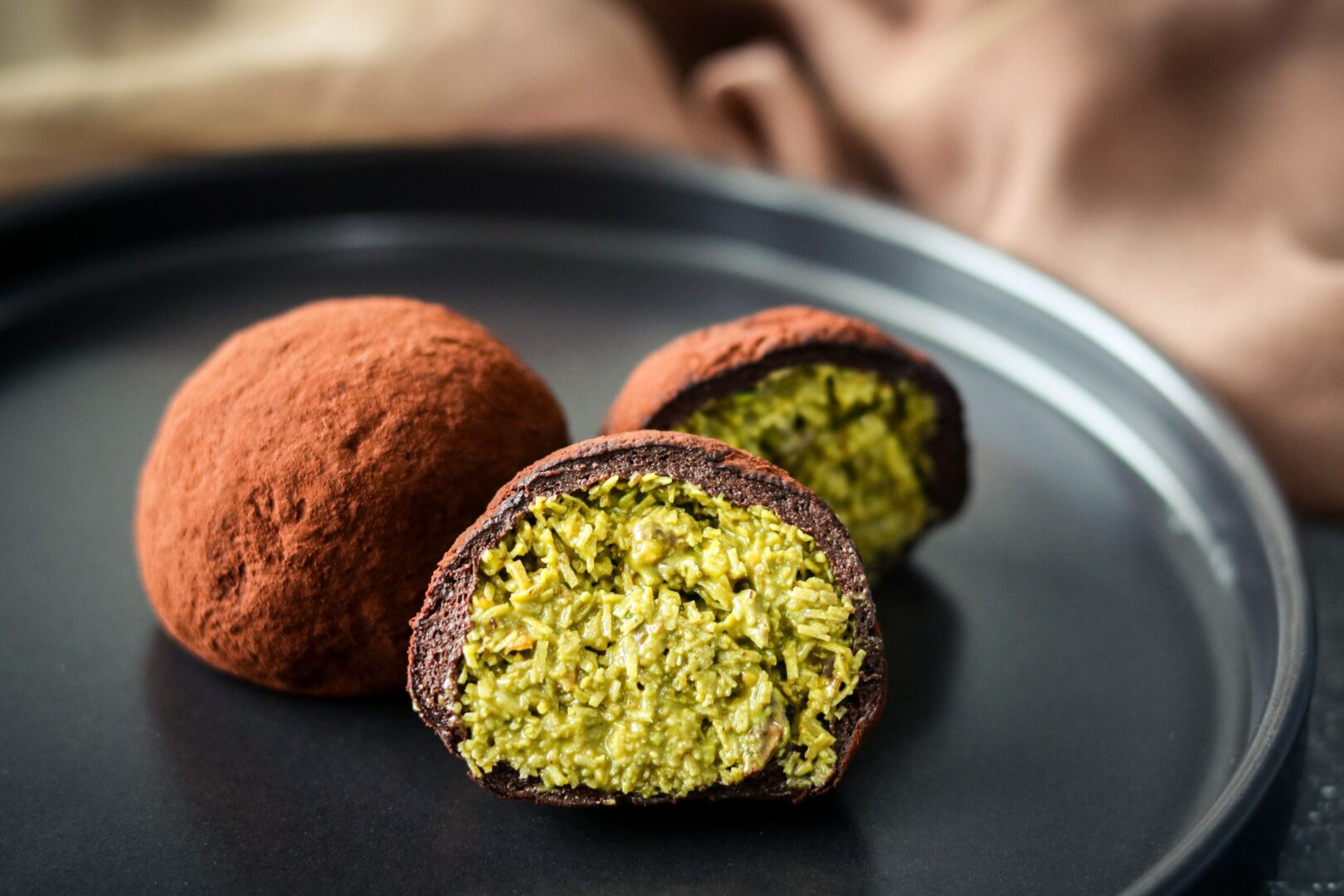
Examples include the Osaka Cream Puff from The Pastry&Co, featuring crispy Japanese-style puff pastry filled with smooth custard cream. Another viral favorite is the “Dubai Chewy Cookie” from Holiday Pastry, inspired by a Korean trend, filled with kunafa strands and rich pistachio. From China, the “Flossy Chicken Chiffon Cake,” originally popular in Shanghai, blends soft sponge cake with savory chicken floss and has been widely adopted by Thai brands.
These trends particularly resonate with Gen Z consumers who eagerly follow global trends and seek new culinary experiences. As a result, cafés and restaurants must continuously innovate to meet the dual demand for great taste and trendy presentation.
The “Halal Economy”: A Promising Growth Opportunity
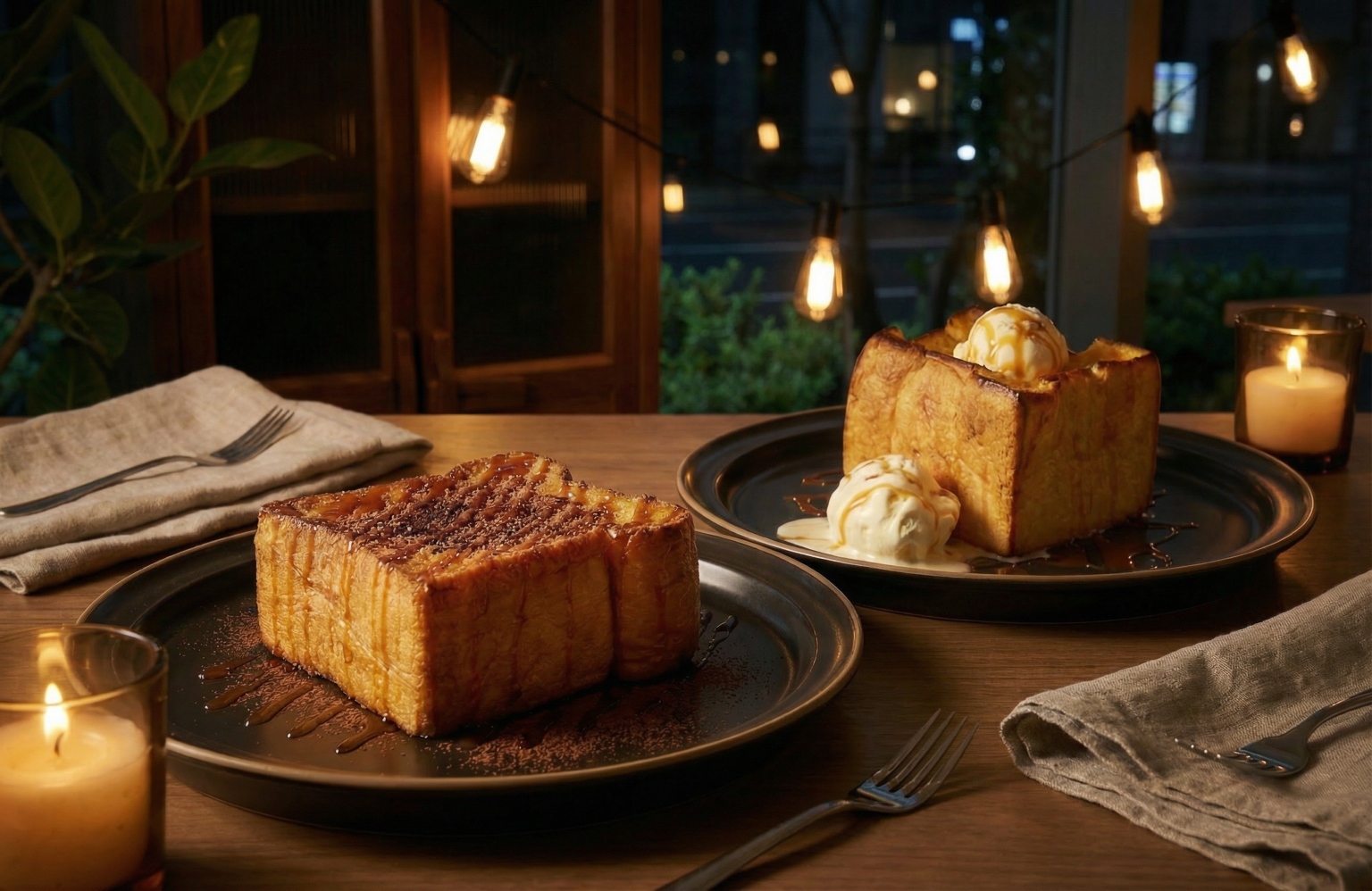
The growing number of Muslim tourists—especially from Middle Eastern countries—visiting Thailand has significantly boosted the halal food market. This high-spending segment favors desserts, bold flavors, and late-night dining, prompting many restaurants to adapt their strategies to tap into the expanding Halal economy.
Businesses are increasingly pursuing halal certification and developing menus tailored to Muslim travelers’ preferences. For example, BuraMarie, a Thai restaurant brand under the iBerry Group, stands out for its premium ingredients and bold flavors. Meanwhile, Phuketique, a famous toast café in Phuket, serves a customer base comprised of up to 90% Middle Eastern tourists, enabling it to expand to Abu Dhabi in the United Arab Emirates.
In an era when food is no longer just a product but a reflection of personal identity, success in the restaurant industry depends less on the number of menu items or branches and more on how meaningfully a brand connects with customers’ lifestyles. This is the new challenge that restaurateurs must continue to watch closely.
Download the full report, “A Comprehensive Guide for 2026 Restaurateurs,” at: https://grb.to/GTUReport2026