


In 2024, traditional summer vacations to popular destinations like Italy, Spain, and Greece underwent a shift as travelers opted for cooler locations, giving rise to the term “coolcation.” This new trend is expected to remain popular in 2025, encouraging vacationers to explore destinations with lower temperatures, breathtaking natural landscapes, and unique cultural experiences.
The shift away from popular summer destinations is driven by several factors, including climate change, crowded tourist spots, and a growing awareness of alternative travel destinations. Here are some popular coolcation destinations to look out for:
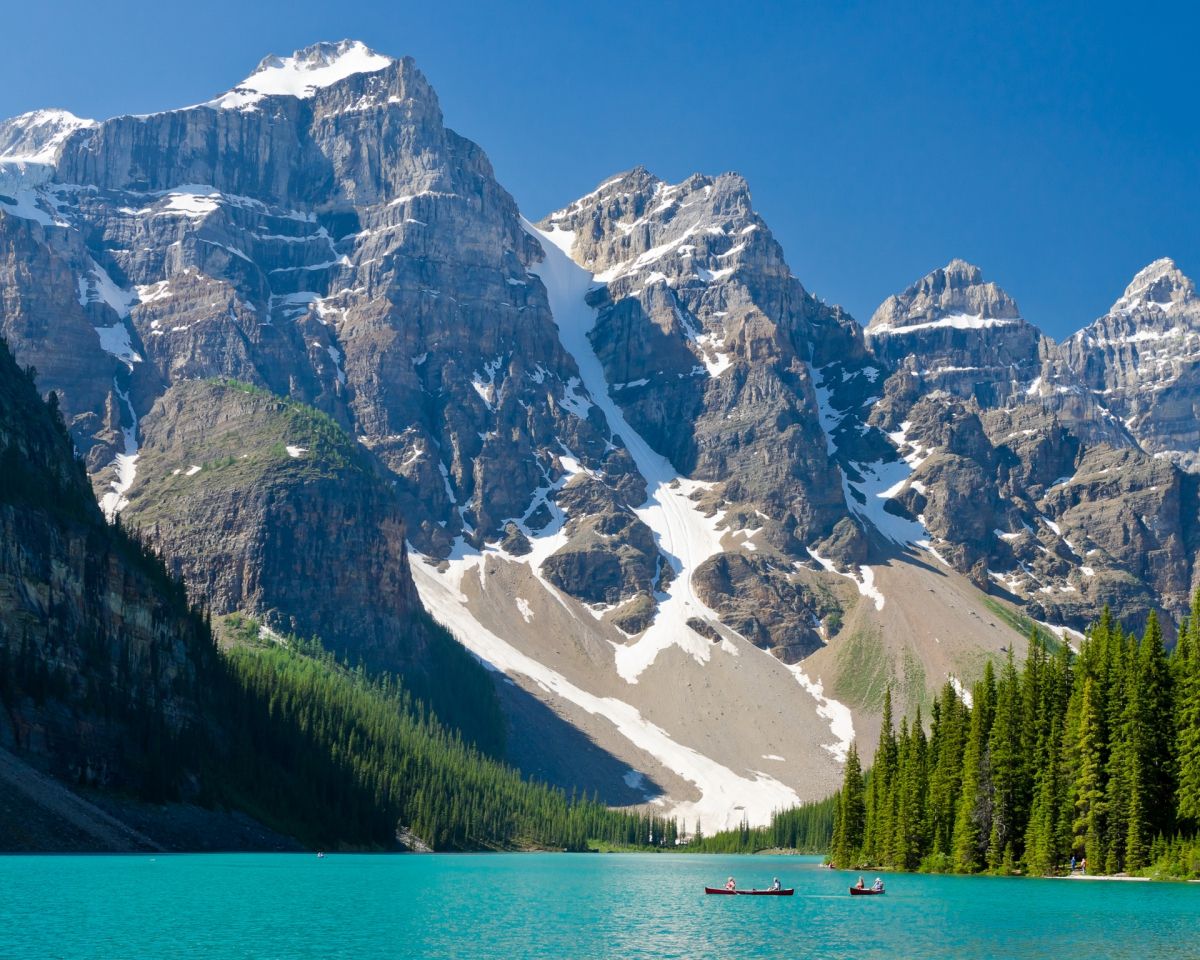
Banff, Canada: A Land of Natural Wonders
Banff, located in Alberta, is home to the stunning Rocky Mountains, crystal-clear turquoise lakes, and vast pine forests. The number of flights to Banff and Lake Louise has increased significantly, making it a must-visit for nature lovers. Visitors can hike, canoe, and ice skate on Lake Louise or try ski-jöring, an exciting winter sport.
In the summer, Banff enjoys a pleasant high of 22°C, while in winter, temperatures average -15°C, perfect for skiing and snowboarding. The pure natural beauty and activities in Banff make it ideal for adventurers and families alike.
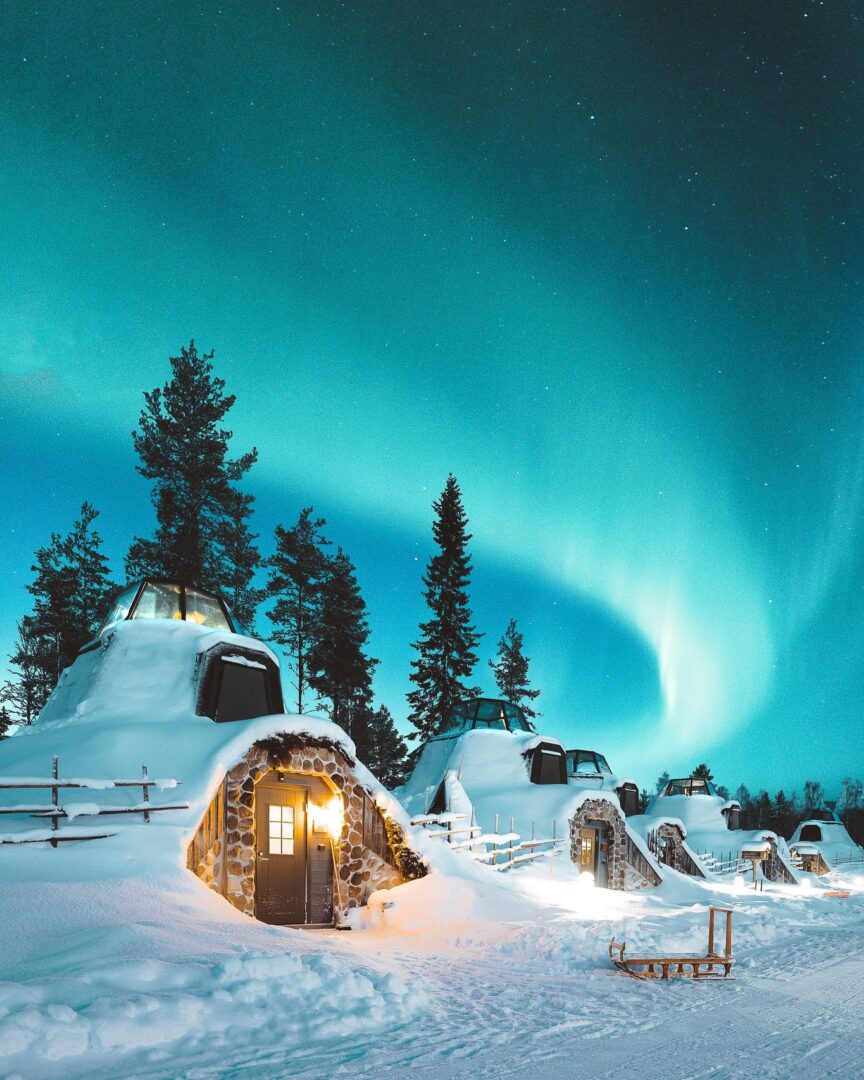
Sweden: The Arctic Charm of Lapland
Sweden continues to be a popular destination, especially for those seeking the Northern Lights. Cities like Luleå and Piteå in Swedish Lapland are gateways to the Arctic Circle, while Abisko is known for its clear skies, offering the best chance to witness the Northern Lights. The midnight sun in summer adds to the enchantment of these remote locations.
Travelers visiting Sweden can enjoy cultural experiences in Stockholm and lesser-known cities like Abisko, where Sami culture and reindeer herding offer a unique and memorable experience.
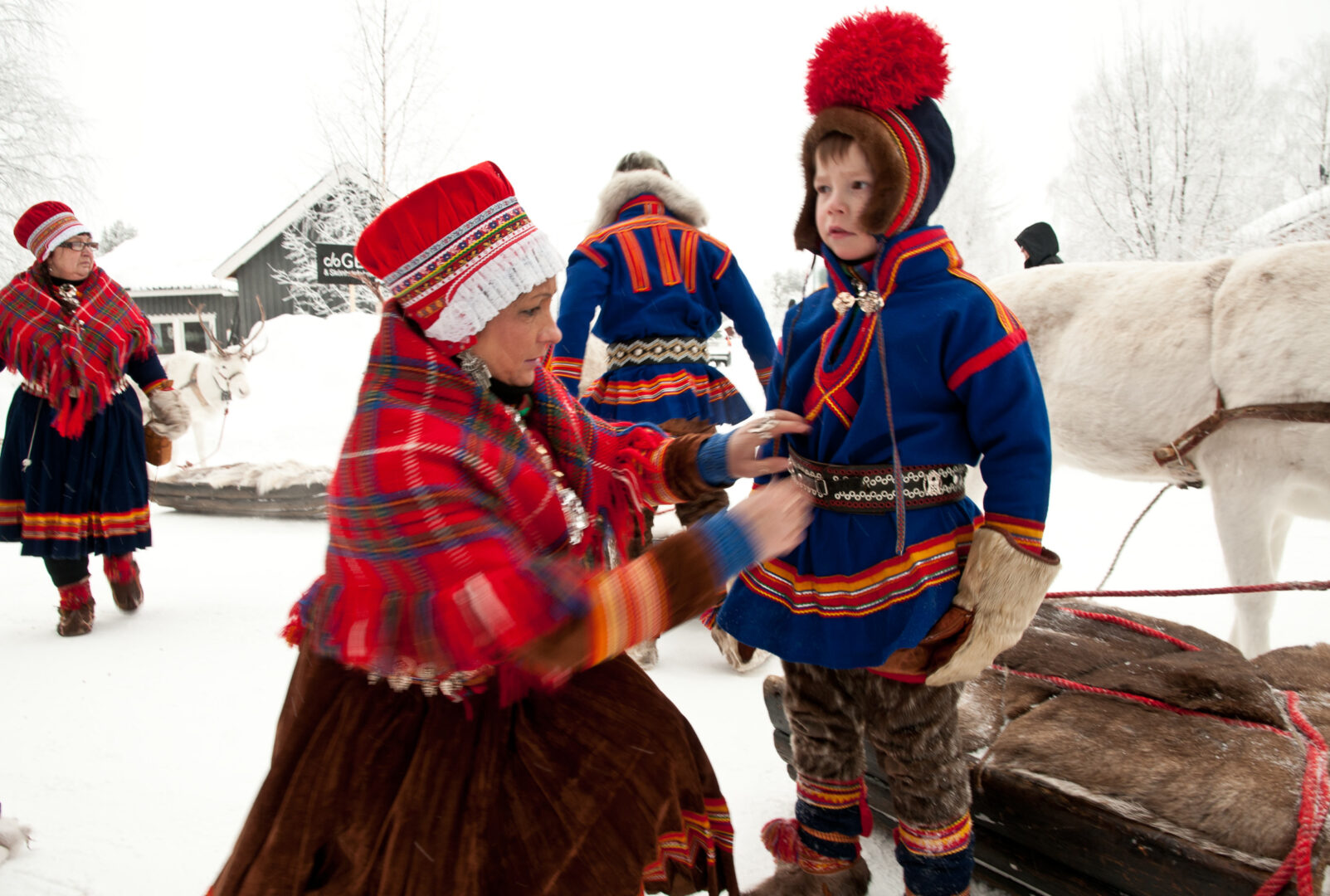
Finland: Aurora and Sami Culture
Expedia reports a 705% increase in searches for flights to Finnish Lapland, reflecting its growing appeal. In addition to the Northern Lights, Finland offers numerous adventure opportunities, from snowboarding and skiing in winter to hiking and swimming in summer. Travelers can immerse themselves in nature while learning about the Sami people, the only indigenous group in the European Union. Visitors can also witness reindeer migration and engage with cultural traditions, making Finnish Lapland an attractive year-round destination.
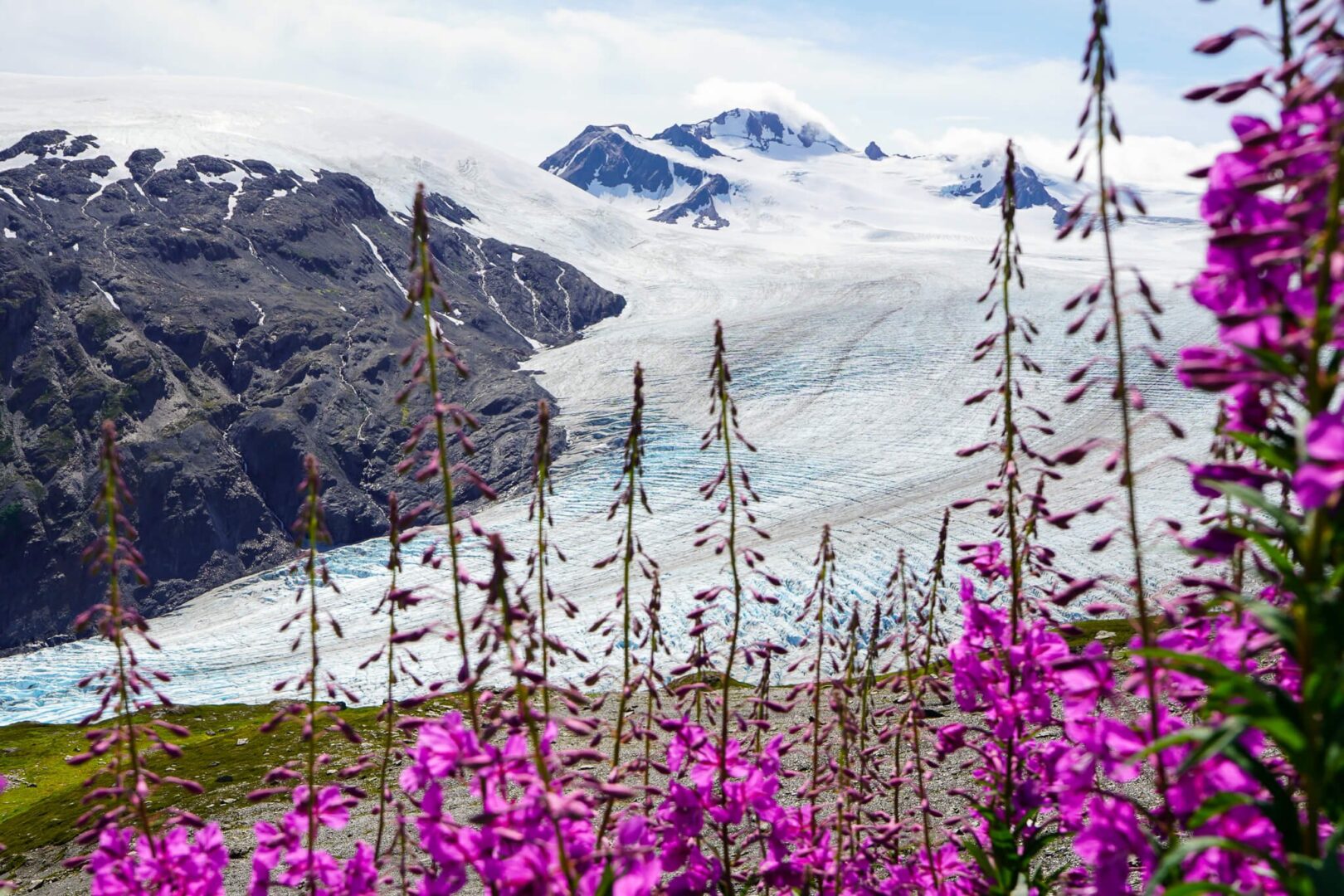
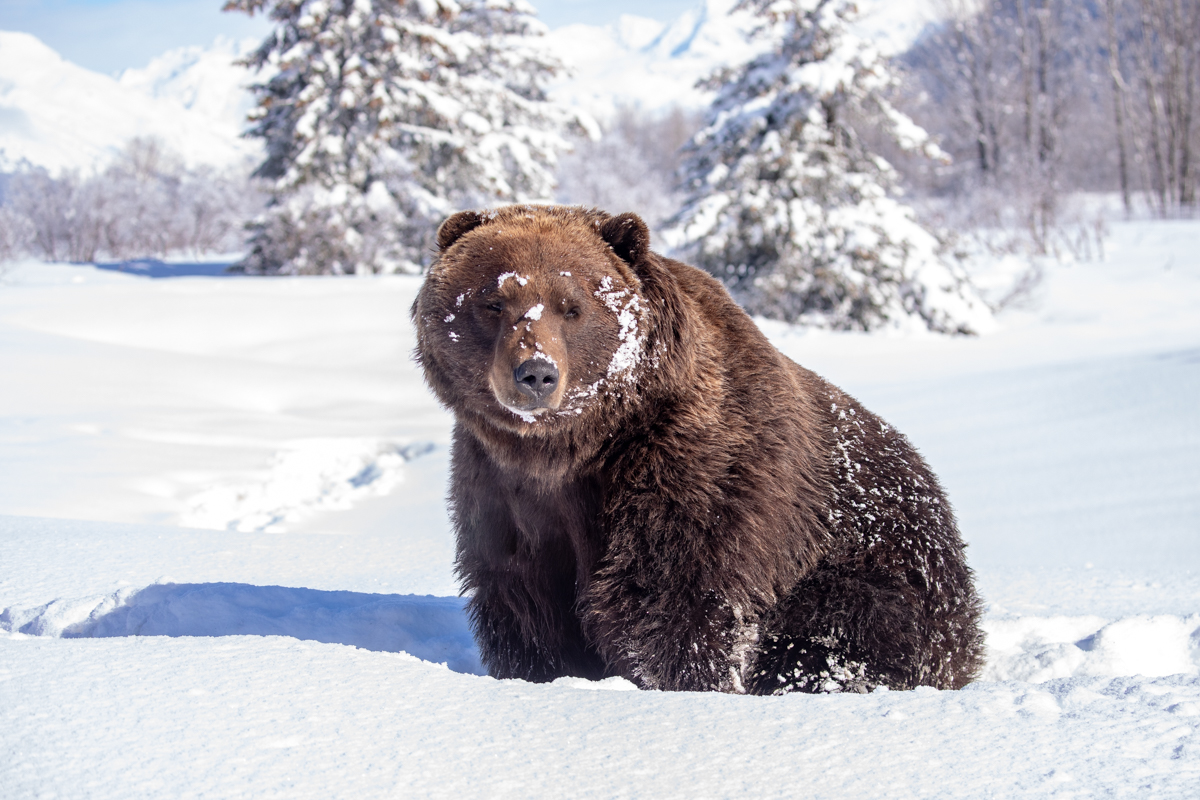
Alaska, USA: Wilderness and Wildlife
Alaska saw a record-breaking 2 million tourists in summer 2023, a 20% increase from pre-pandemic numbers. The state’s stunning landscapes include Denali National Park, home to the tallest peak in North America, and Glacier Bay National Park, which can be explored by cruise or private boat. For wildlife enthusiasts, remote destinations like Ketchikan Island offer unique encounters with Alaska’s nature.
Alaska experiences nearly 24 hours of sunlight in summer, while winter offers the opportunity to see the Northern Lights. Summer temperatures average 15°C in central southern Alaska, while northern areas can drop to a chilling -35°C, making Alaska a perfect destination for outdoor adventure.
Eastern Europe: Budget-Friendly Coolcations
Eastern Europe is emerging as a popular destination for coolcations due to its affordability, cultural diversity, and cooler climate. According to Tourism Economics, the region is expected to see a 7.5% annual growth in tourism over the next few years.
Cities like Vilnius in Lithuania, which was ranked as the most affordable city in Europe in 2024, are attracting budget-conscious travelers. Other popular destinations include Krakow, Riga, Budapest, and Prague, all of which offer rich history, beautiful architecture, and reasonable prices. The cool summer temperatures and cultural treasures of Eastern Europe make it an excellent alternative to the crowded tourist spots in Western Europe.
Challenges of the Coolcation Trend
While coolcations provide unique experiences, the growing popularity of these destinations has created challenges for smaller spots. Norway and Denmark are struggling with traffic congestion due to an influx of RVs in rural areas, while Scotland’s NC500 route has been criticized for overcrowding and improper use of single-lane roads. The influx of tourists can strain local infrastructure, raising concerns among residents.
Why Coolcations Are Here to Stay
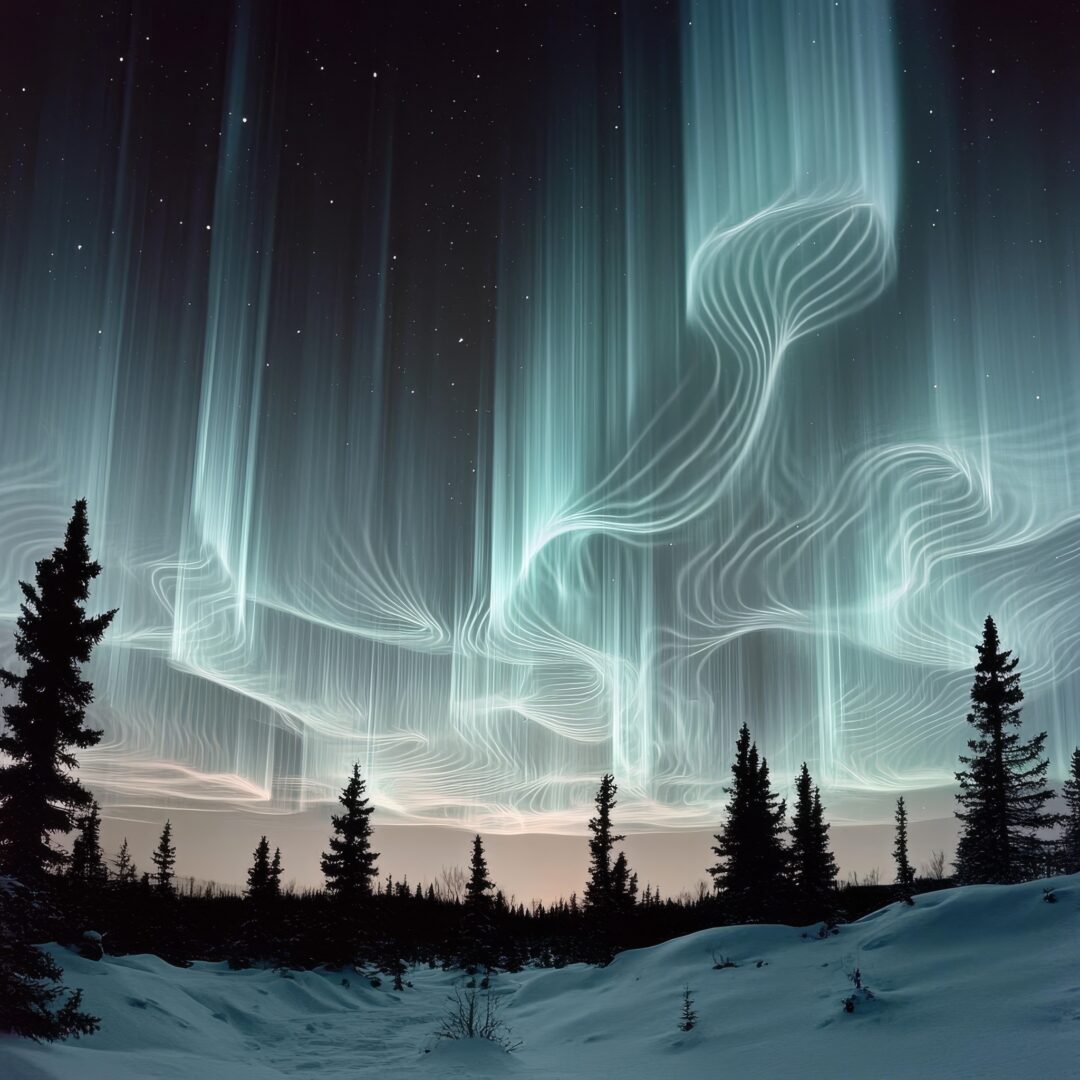
Coolcations cater to travelers seeking to escape intense heat, crowded beaches, and environmental issues. The emphasis on sustainable tourism aligns with the shifting preferences of consumers, making this trend increasingly popular. As travelers continue to explore cooler destinations with fewer tourists, this trend is also contributing to the diversification of global tourism economies.
Popular Coolcation Destinations for 2025
Banff, Canada: Famous for its crystal-clear turquoise lakes and outdoor activities
Sweden’s Lapland: Gateway to the Arctic Circle and the Northern Lights
Finland’s Lapland: Adventure, Sami culture, and Northern Lights experiences
Alaska, USA: A natural paradise filled with glaciers, wildlife, and stunning national parks
Eastern Europe: Budget-friendly cities like Vilnius and Krakow with diverse cultures
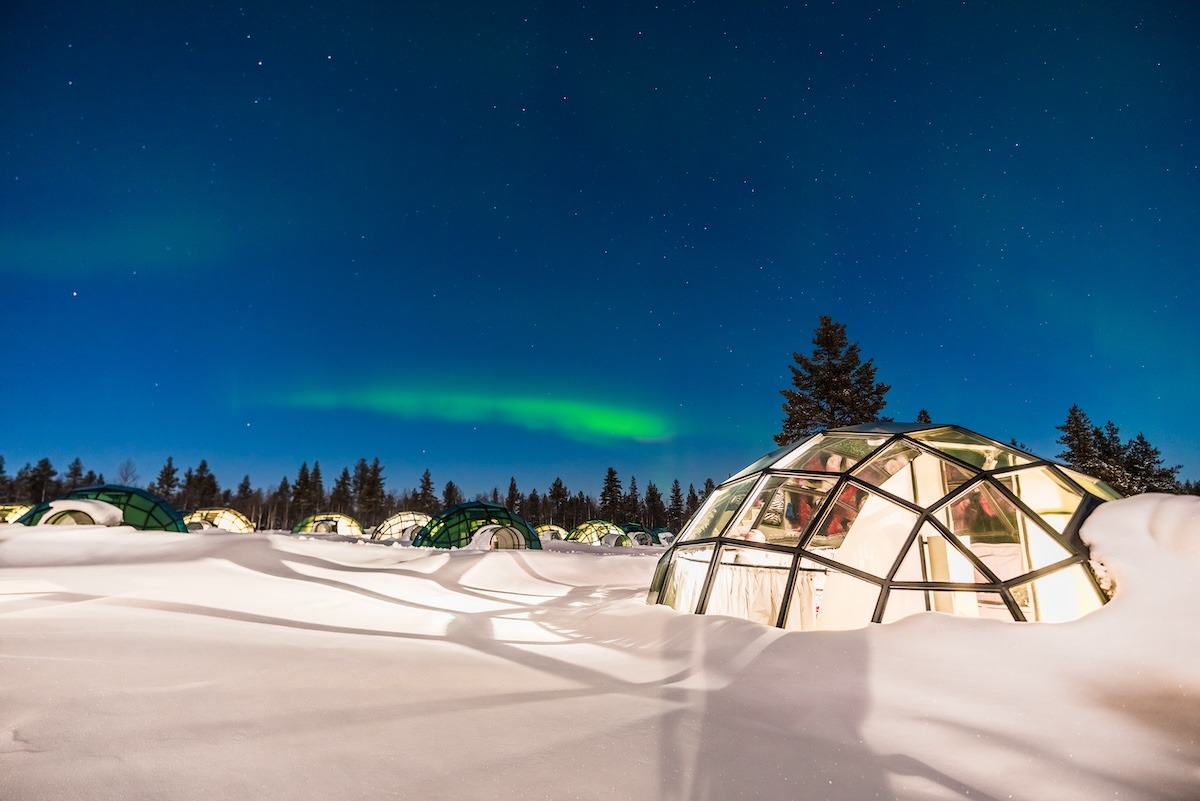 Northern lignt in Finland over Igloo house
Conclusion
The coolcation travel trend reflects a shift in travelers’ desires for sustainable, adventurous, and culturally immersive experiences. Destinations in cooler regions such as Canada, Scandinavia, Alaska, and Eastern Europe are becoming more popular, offering alternatives to traditional crowded summer spots. As climate change and overcrowding become more prominent concerns, coolcations offer a fresh approach to travel in 2025 and beyond.