


JLL Identifies Structural Shifts Across Southeast Asia as New Growth Opportunities Emerge in Thailand’s Real Estate Market

The Eastern Economic Corridor (EEC), tourism destinations and rising ESG standards are reshaping Thailand’s investment landscape as the region moves towards a more multipolar model of growth.
Thailand is well positioned to benefit from the structural shifts transforming Southeast Asia’s real estate markets, according to JLL’s latest research report, Planning for a Multipolar World: Real Estate Strategies Across Southeast Asia in 2026 and Beyond. The report highlights how Thailand’s growth is expanding beyond Bangkok towards multiple regional hubs, with the Eastern Economic Corridor (EEC) remaining a strategic driver and further opportunities emerging in secondary cities and tourism-led destinations.
Across Southeast Asia, real estate growth is becoming less dependent on broad cyclical recoveries and increasingly shaped by structural forces, including geopolitical fragmentation, supply chain diversification, government-led infrastructure investment, digitalisation and rising sustainability standards.
Key Takeaways
Thailand’s growth model is becoming more multipolar: Growth is expanding beyond Bangkok towards regional hubs, led by the EEC and extending to established tourism destinations such as Phuket and emerging coastal markets such as Phang Nga.
Industrial real estate is moving up the value chain: The China+1 strategy is driving demand for modern industrial estates supporting electronics, electric vehicles (EVs), advanced logistics and specialised manufacturing.
Stricter ESG standards are widening the brown discount: Older, inefficient buildings face growing valuation pressures, creating opportunities for refurbishment, repositioning and adaptive reuse of ageing office and retail properties in Bangkok.
Structural Shifts Reshaping Southeast Asia
JLL identifies three major regional trends redefining Southeast Asia’s real estate landscape: government policy is becoming a more influential market signal; infrastructure investment is expanding viable investment locations beyond traditional central business districts (CBDs); and the gap is widening between high-quality, future-ready assets and older properties that need repositioning, refurbishment or a change of use.
Governments across the region are increasingly shaping growth through strategic initiatives. These include Indonesia’s Danantara sovereign wealth fund, the Philippines’ extension of land lease terms for investors to 99 years, Malaysia’s three major special economic zones, Singapore’s AI-driven and sustainability-focused economic strategies, and Vietnam’s institutional reform agenda.
In Thailand, infrastructure investment in the EEC is expanding the range of locations with investment potential and supporting the development of a more interconnected network of regional urban centres.

Thailand’s Key Real Estate Opportunities
- The EEC and the Eastern Seaboard
The EEC remains a strategic growth engine for Thailand’s real estate sector. Industrial township developments across the corridor, together with major projects surrounding U-Tapao International Airport, illustrate the shift towards a more geographically diversified growth model.
- Industrial and Logistics Assets Move Up the Value Chain
Thailand is upgrading its industrial and logistics base in line with the region’s shift towards higher-value industries, including electronics, EVs, advanced logistics and specialised manufacturing. This transition is supported by China+1 supply chain diversification and export-oriented industrial development.
Across Southeast Asia, industrial real estate is also evolving beyond traditional land banking and warehouse-led development towards professionally managed industrial estates, specialised industry clusters and integrated industrial developments.
- Regional Cities, Tourism and Wellness
Tourism-led destinations are creating new opportunities in retail and hospitality, particularly in Phuket, an established global resort destination, and Phang Nga, an emerging coastal market.
Wellness-oriented developments in tourism-driven locations are also expected to support growth, particularly in retail, ultra-luxury residential properties and hotels.
- Major Developers Shift Towards Recurring Income
The strategic shift among major property developers towards recurring-income assets, alongside the evolution of Thailand’s industrial sector, is supporting a broader and more diversified pipeline of future real estate developments.
- ESG Accelerates the Refurbishment of Older Buildings in Bangkok
Increasingly stringent ESG standards across Thailand’s office and industrial property sectors are affecting asset valuations. Older buildings with outdated designs or inefficient energy performance face a widening valuation gap compared with properties that meet modern sustainability standards, commonly referred to as the brown discount.
However, this challenge also creates opportunities for owners and investors to unlock value through refurbishment, adaptive reuse and investment in upgrades that bring existing assets in line with contemporary sustainability requirements.
 Mr. Krit Pimhatthawut, Managing Director and Head of Investment Services at JLL Thailand
Investors Place Greater Emphasis on Asset Quality
Mr. Krit Pimhatthawut, Managing Director and Head of Investment Services at JLL Thailand, said: “Thailand’s real estate market is entering a phase in which investors are becoming more selective, making the underlying business fundamentals of each asset increasingly important to investment success. While government policy and infrastructure remain key growth drivers, capital is increasingly directed towards high-quality, specialised assets.
“This is reflected in sustained demand for modern industrial estates, strong expansion in tourism-led hospitality and wellness developments in promising coastal destinations, as well as opportunities in Bangkok to reposition and upgrade existing office buildings to meet current market requirements.”
Four Strategic Themes Supporting Thailand’s Regional Position
JLL highlights four key investment themes that could strengthen Thailand’s position as a regional real estate hub:
Industrial and logistics developments: Supported by supply chain diversification, low vacancy rates in several market segments and stronger connectivity along economic corridors.
Data centres and digital infrastructure: Driven by AI adoption, cloud investment and domestic data storage requirements.
Asset refurbishment and adaptive reuse: Older office and retail properties in Bangkok offer value-add opportunities through ESG upgrades and conversion into mixed-use developments, residential properties, healthcare facilities or hotels.
Cross-border investment and economic corridors: Thailand’s EEC-linked growth corridor is attracting attention from regional investors alongside Johor in Malaysia, Northern Luzon in the Philippines and Vietnam’s major metropolitan areas, as part of an increasingly interconnected regional growth ecosystem.
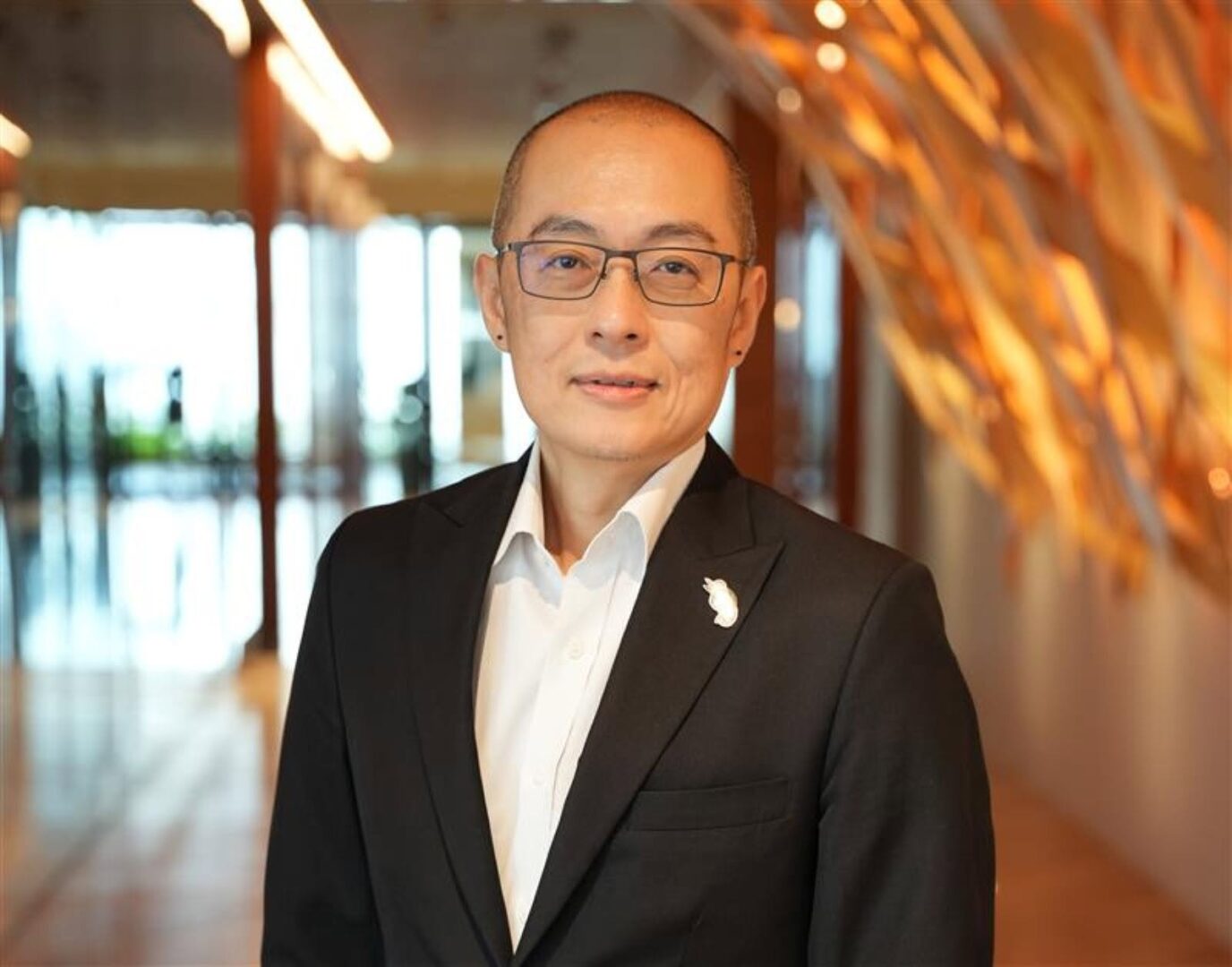 Dr. Yang Liang Chua, Head of Research and Consulting for Southeast Asia at JLL
Dr. Yang Liang Chua, Head of Research and Consulting for Southeast Asia at JLL, said: “Thailand is a clear example of the regional expansion taking place across Southeast Asia, as the market evolves from a landscape concentrated in Bangkok towards a more diverse, multipolar network of growth centres. Investors are pursuing specialised opportunities across different regions, from modern industrial estates in the Eastern Economic Corridor to high-potential luxury hospitality and premium wellness markets in Phuket and emerging coastal destinations such as Phang Nga.”
A More Selective, Structurally Driven Investment Outlook
The report emphasises that Southeast Asia’s real estate outlook for 2026 and beyond should be assessed through a structural lens rather than relying solely on cyclical market trends. Success will depend not simply on broad geographic diversification, but on identifying the right economic corridors, sectors and asset strategies.
“For both investors and occupiers, Thailand continues to offer compelling opportunities, particularly for those who view the country as part of an interconnected, multipolar regional ecosystem,” Dr Chua added.