


“If we compare countries through the metaphor of a pencil—America is the country that invented the pencil. Japan created the mechanical pencil to address the inconvenience of sharpening. China manufactures pencils at the lowest cost. Italy makes them the most beautiful, luxurious, and comfortable. Meanwhile, Thailand… is merely the consumer.”
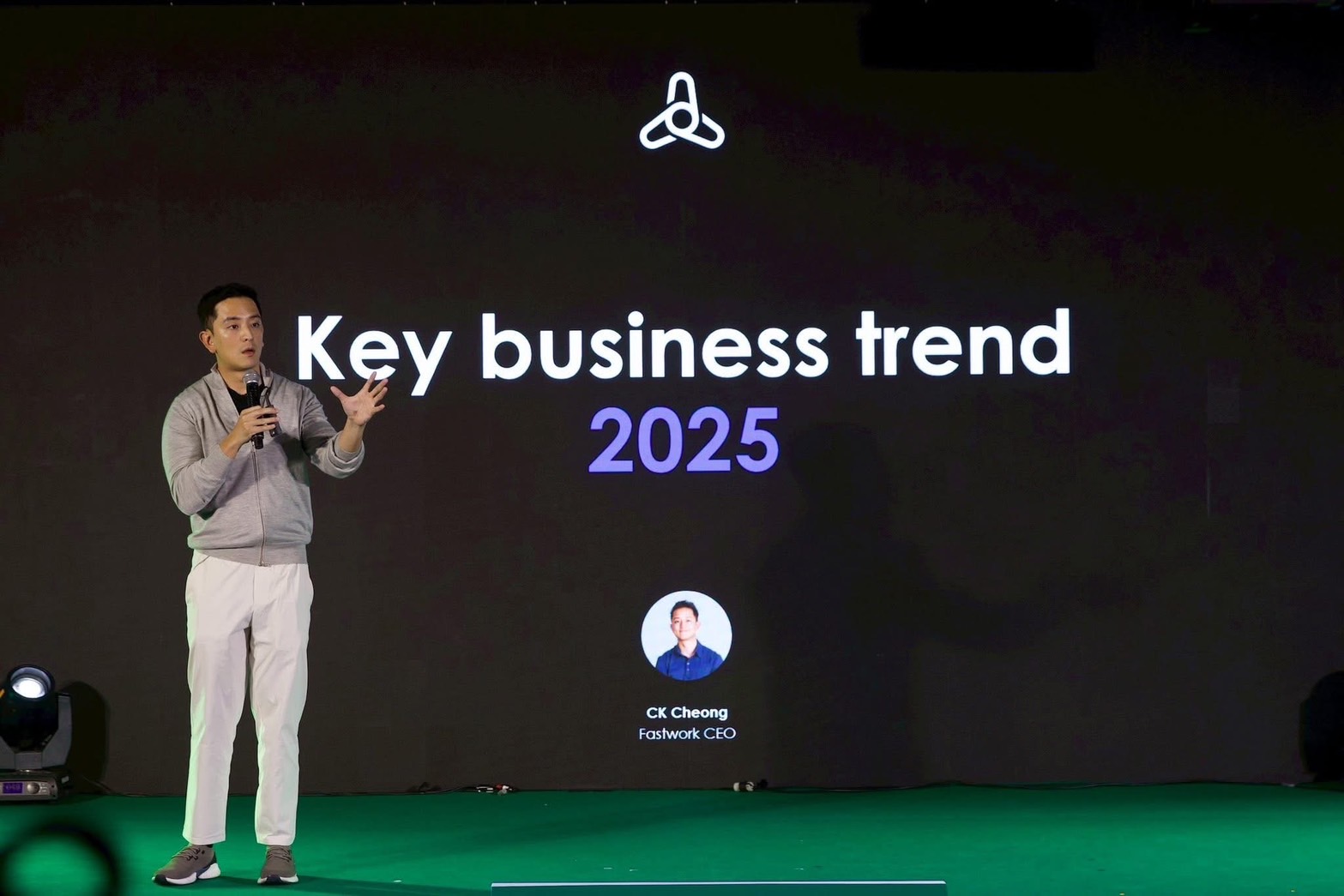
This striking analogy opened the keynote speech by CK Cheong, CEO of Fastwork Technologies Co., Ltd., at the “7-Eleven Sustainable SME 2025” awards ceremony. The event was hosted by CP All Public Company Limited, in partnership with the Department of Industrial Promotion (DIP), the Office of SMEs Promotion (OSMEP), and the Stock Exchange of Thailand, to provide knowledge and inspiration to both on-site and online SME participants.
CK noted that while Thailand has proven adept at quickly adopting new technologies—like smartphones or ChatGPT—the nation lacks a culture of innovation and invention. Historically positioned as a trading hub, Thailand has long focused on commerce over creation. But CK emphasized that it’s time to shift this mindset, moving away from price competition and mass production. “Thailand’s strength lies in thinking differently,” he said, before introducing five key business trends for 2025 that SMEs should watch and act on:
- Niche Products Are Winning
Products targeting specific niche markets are thriving, while generic products aimed at everyone are struggling to find buyers. CK highlighted examples like:
- Hoka, a rising footwear brand that built its reputation by focusing on mountain-climbing shoes.
- On, a brand offering personalized shoes tailored through advanced manufacturing technology.
These niche brands successfully respond to changing consumer behaviors and have carved market share from industry giants.
Another example is the Stanley brand, known for its insulated drinkware. Originally designed with rugged designs for male consumers who enjoy fishing, hiking, or camping, the brand pivoted when it realized men weren’t buying. It introduced pastel-colored tumblers and shifted its messaging—selling inspiration to women who care about hydration and skincare. The result? Over $750 million in revenue, transforming what many considered a saturated “red ocean” category.
- Small Luxury
Compared to 50 years ago, people today work harder but find it increasingly difficult to afford large assets like homes. A mortgage now spans 30 years with added interest, making many turn instead to rewarding themselves with attainable luxuries.
This trend of “small luxury” is growing—examples include:
- A 60,000 THB suitcase
- Fine dining meals
- Skincare products priced at 25,000 THB per jar
- Hand soap priced at 1,200 THB per bottle during the COVID-19 era
These small indulgences offer a sense of reward and prestige without breaking the bank.
- Out-of-the-Box Product Variation Strategy
Companies are breaking away from traditional product lines to create unexpected, memorable experiences.
Examples:
- Airbnb, after initial novelty wore off, reinvested profits to create themed properties like a Barbie house, Shrek’s swamp, a Ferrari room, and even a floating house inspired by the movie Up.
- Burger King launched the “Real Cheese Burger”—a burger made entirely of cheese—as a bold marketing stunt that sparked viral conversations.
These creative extensions grab consumer attention and differentiate the brand.
- Making Boring Products Interesting
Some of the most successful new brands have transformed overlooked everyday items into standout products.
- Mozi Wash, a U.S. detergent brand, chose subtlety over loud packaging. While other brands scream for attention with bright colors and bold fonts, Mozi “whispers”—its minimalist packaging stands out on shelves precisely because it doesn’t shout.
- Liquid Death, a canned water brand designed to resemble a black beer can, has become a top seller in the U.S. by marketing “coolness” and edge to young consumers.
- Personal Branding Makes a Huge Difference
One striking example is Salt Bae, who built a global brand from his signature salt-sprinkling move. His personal brand now commands:
- 47M TikTok views
- 40M Instagram followers
- 32M YouTube subscribers
- 30M Facebook followers—without paid advertising.
“Branding is what creates bias, and that’s what customers give you,” CK explained. “When selling a product, you’re not just selling the function. You’re selling that emotional bias too. That’s what makes you stand out.”
He also warned, “Don’t build a personal brand just to chase fame. You need to offer real content or solve a problem for your audience. Only then can you create meaningful branding.”
The Special Talk was packed with insights to help SMEs adapt, differentiate, and effectively tap into niche markets. The session concluded with encouraging words from Yuthasak Phumisarakul, CEO of CP All, who emphasized that the 7-Eleven Sustainable SME Award is not just a recognition—it’s a source of inspiration for SMEs striving to grow and evolve, as well as for others embarking on their journey toward future success.