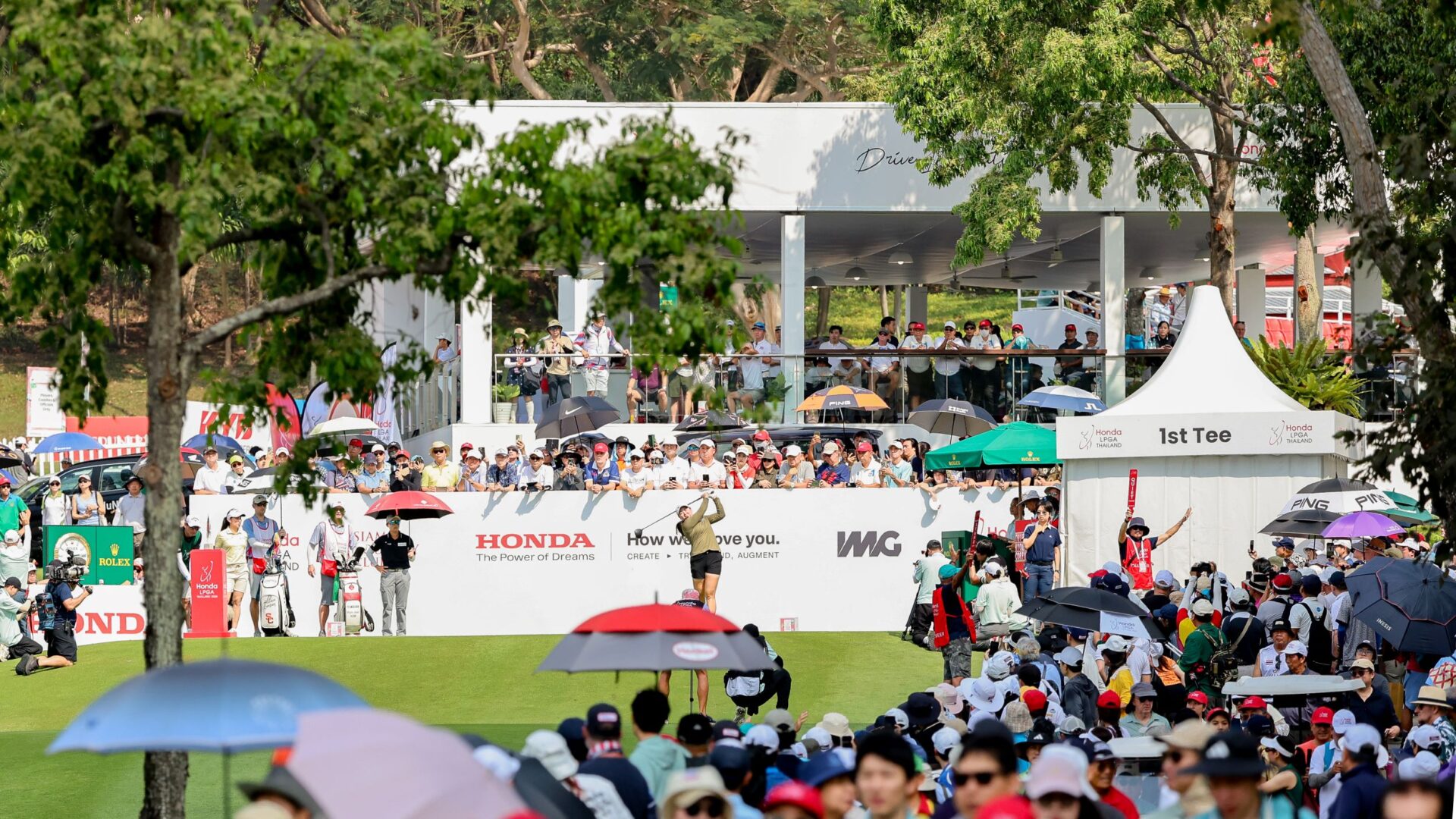



Amid the intense championship atmosphere at Siam Country Club Old Course, the image of Atthaya Thitikul, the world No. 1 from Thailand, battling top contenders from South Korea and Japan symbolized a shifting power structure in women’s world golf—one in which Asia’s swing has become more influential than ever before.
 Atthaya Thitikul
For Craig Kessler, Commissioner of the LPGA Tour, this visit to Thailand carried significance beyond administrative duties. It was an opportunity to witness firsthand how Asia is driving the future of the Tour.
Kessler emphasized that the LPGA remains firmly committed to continued growth in Asia. The region represents a strong sports fan base, extensive broadcast coverage, and advanced athlete development systems. These factors underscore Asia’s role as a key engine of the global women’s golf industry. He also praised the steady development of the Honda LPGA Thailand, which has evolved over its 19 editions from a single stop on the Tour calendar into a world-class event setting standards in tournament organization, spectator experience, and long-term partnerships with key sponsors.
 Craig Kessler, Commissioner of the LPGA Tour
From Kessler’s perspective, Thailand has progressed beyond being merely a tournament host to becoming a global model of success. Over the years, the number of Thai players on the LPGA Tour has steadily increased, with two reaching the pinnacle of the world rankings: Ariya Jutanugarn and Atthaya Thitikul. Thailand has also made history with three major championship victories—Ariya Jutanugarn at the Women’s Open and the U.S. Women’s Open, and Patty Tavatanakit at The Chevron Championship. These achievements are no coincidence; they are the result of strong youth development systems, competitive structures, and a culture of inspiration passed from one generation to the next.
 Ariya Jutanugarn
Looking at the broader global golf industry, Asia stands out not only as a producer of elite players but also as a center of growth economically, athletically, and commercially. A vast fan base, strong corporate backing, and significant infrastructure investment have positioned the region as a long-term strategic pillar of the sport. Kessler also revealed plans to return LPGA tournaments to the Asia-Pacific region, including events in New Zealand and Australia, reflecting efforts to balance and connect key global markets.


Although the LPGA currently features five major championships and has no immediate plans to add another, the question of a “major in Asia” remains an intriguing topic. Given the region’s continued development, Asia has clearly demonstrated its potential in terms of athletes, fan engagement, and the ability to host world-class competitions.
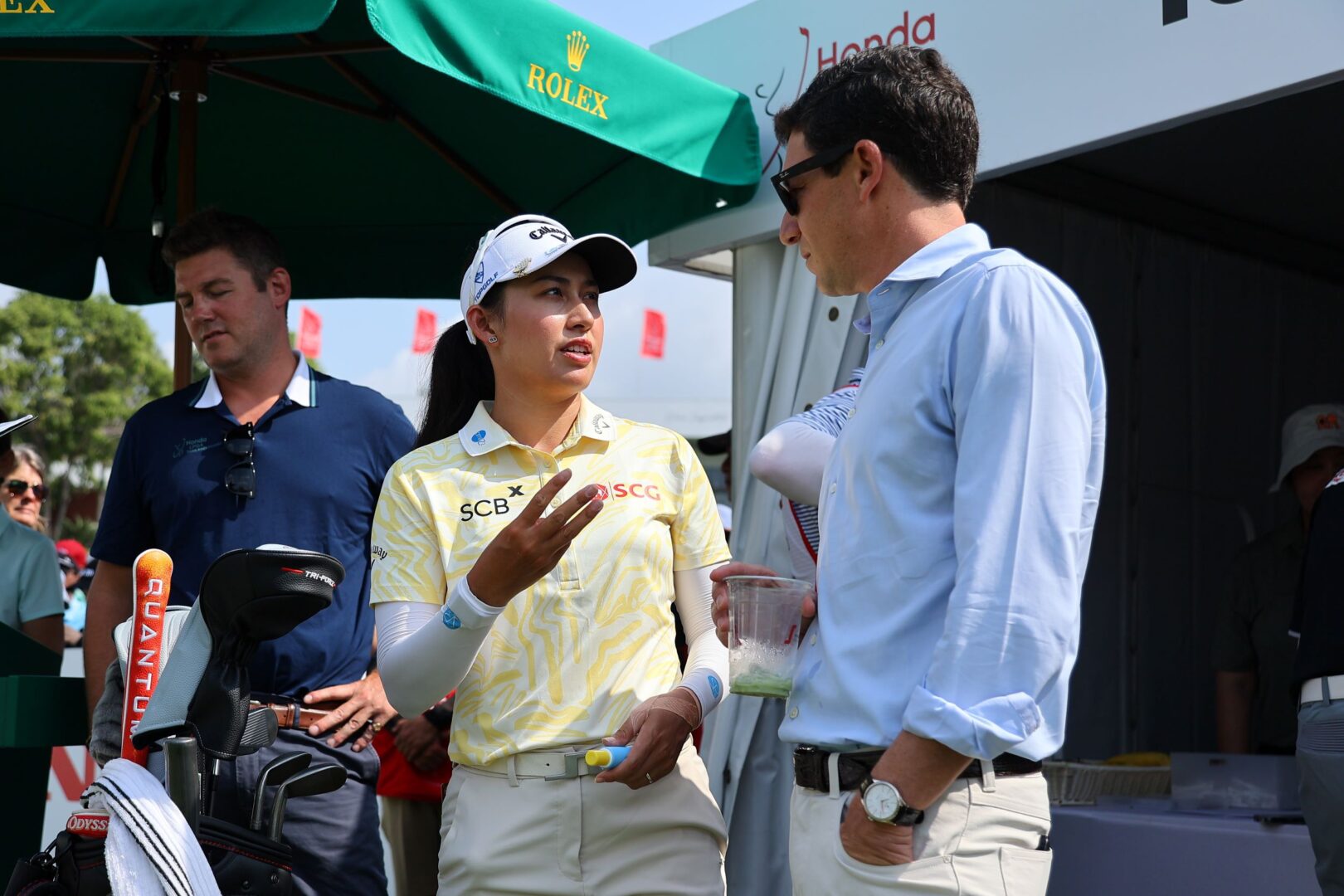
Ultimately, Kessler’s return to Thailand reinforces the message that Asia—particularly Thailand—is one of the cornerstones of the future of women’s golf. From inspiration born along the fairways to a sustainably growing sports ecosystem, the sight of Thai golfers reaching the pinnacle of the world today represents another chapter in a story still being written. For the global golf industry, the key question may no longer be whether Asia will play a major role, but rather how far that role will expand in the decade ahead.