


MOCA BANGKOK Presents “ICONOSTASIS: No Masters, No Icons” — Featuring Eight International and Thai Artists to Reaffirm the Value of Craftsmanship in the Age of Artificial Intelligence
MOCA BANGKOK proudly presents ICONOSTASIS: No Masters, No Icons, a major exhibition bringing together four international artists and four Thai artists to explore a contemporary question in the age of artificial intelligence: when images can be generated almost instantly from text prompts, what value does art created through years of practice, skill, and hands-on craftsmanship still hold in society today?
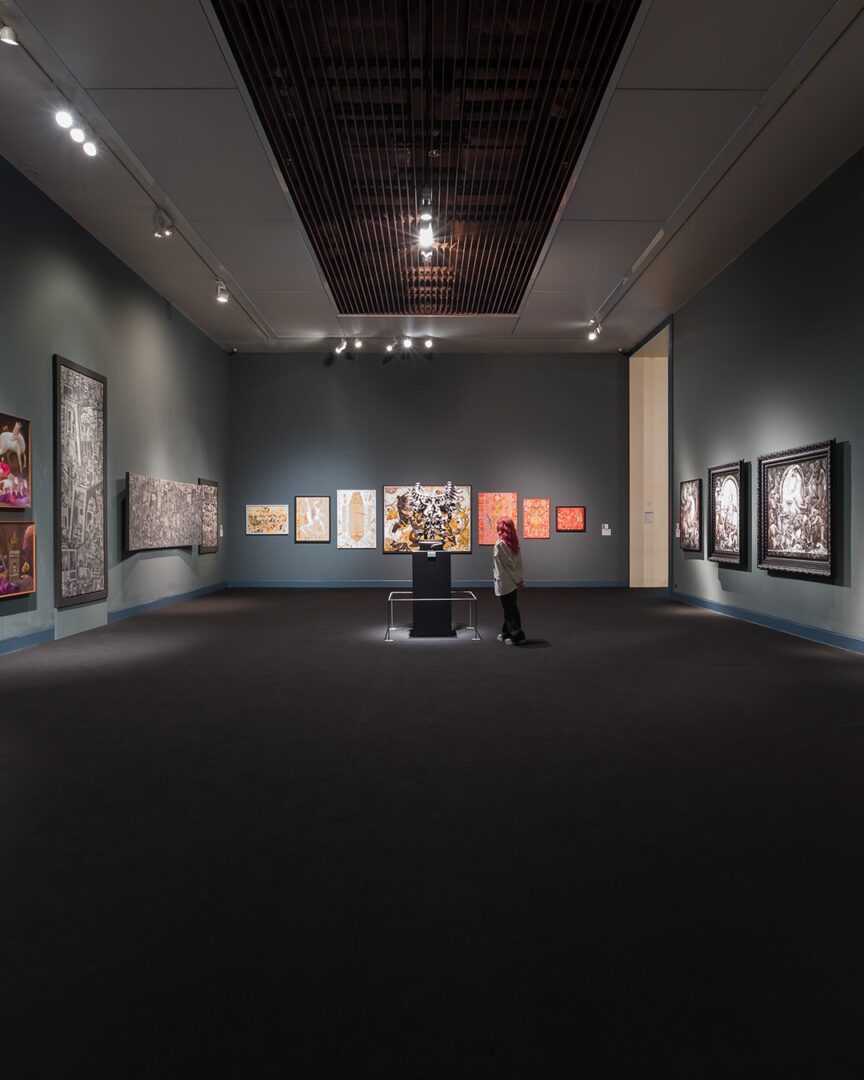
The exhibition is on view at the Ground Floor Atrium and Temporary Exhibition Rooms 1, 2, and 3 until May 31, 2026.
Through ICONOSTASIS, MOCA BANGKOK responds to this question by firmly affirming that true mastery cannot be replaced by artificial intelligence.
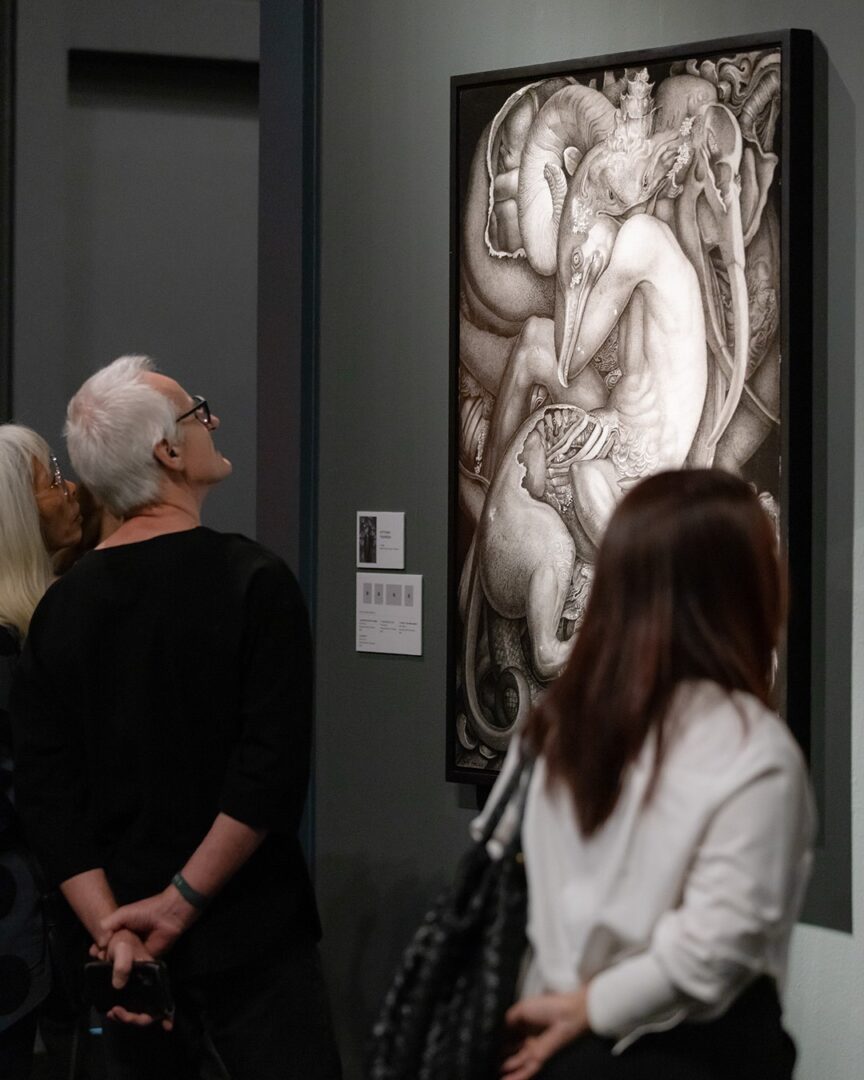
The exhibition title derives from the word Iconostasis, the wall of icons found in Eastern Christian churches that separates the congregation from the sacred space. Much like these sacred walls honoring religious figures, ICONOSTASIS celebrates contemporary artists who have developed mastery through continuous practice and cultivated distinctive visual identities. Featured artists include Taiwanese-American artist Mu Pan, Italian artist Alessandro Sicioldr, French artist Stéphane Blanquet, Belgian artist Guy Slabbinck, and Thai artists Kittisak Thepkoh, Phadungsak Keawphong, Anon Lertpoolpol, and Suwat Boontham.
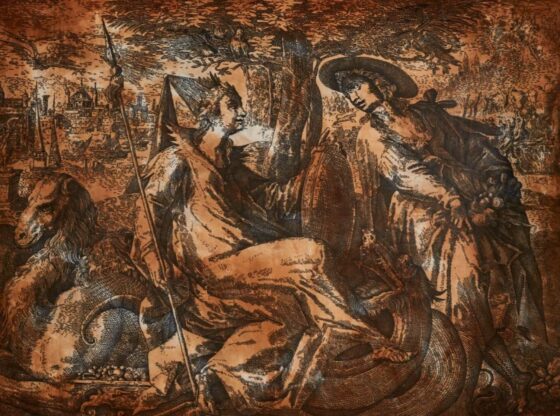
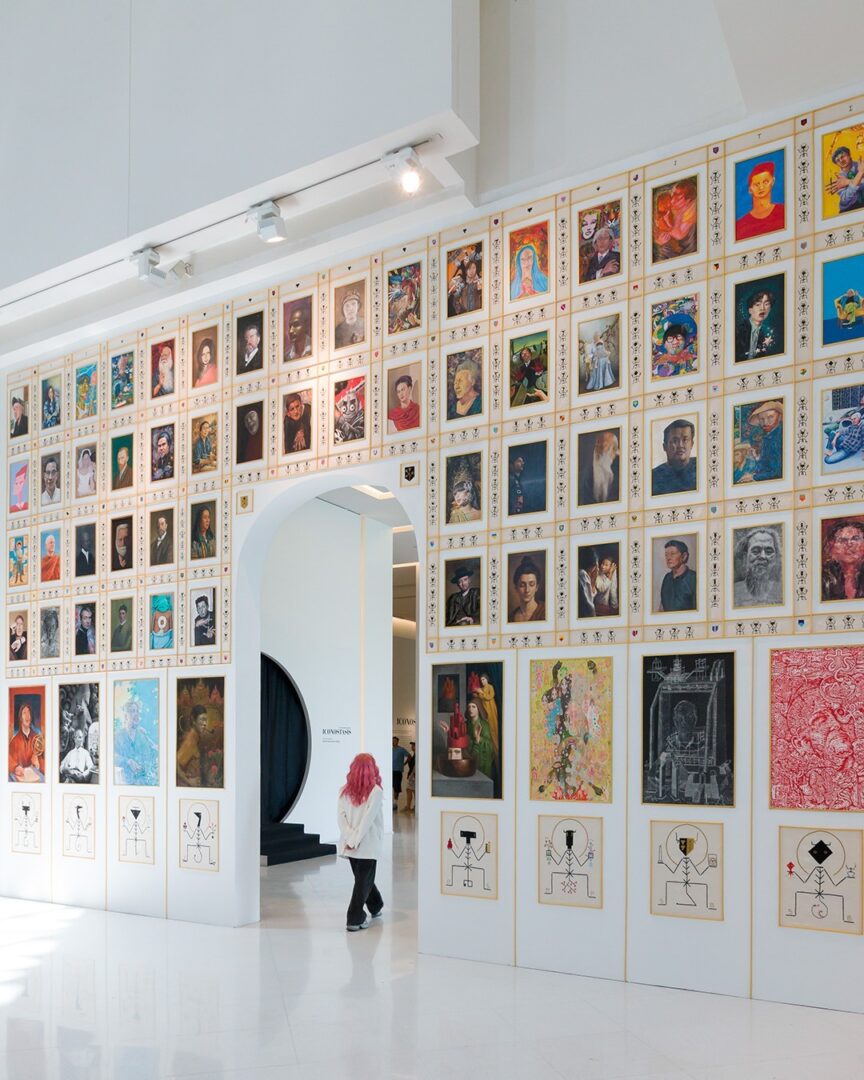
The exhibition presents more than 120 paintings from private collections in Thailand, alongside newly commissioned works created specifically for this exhibition by all eight artists. One of the exhibition’s highlights is the newly created Iconostasis Wall at the entrance — a collaborative installation by the eight featured artists. Above this installation, 56 small-scale paintings by emerging Thai artists selected through a nationwide competition are displayed. This ascending arrangement symbolizes the transmission of artistic mastery from one generation to the next, emphasizing craftsmanship as a living tradition.
Art in the Post-AI Era
Over the past three years, AI-generated imagery created from text prompts has become increasingly accessible. With only a few words, countless images, sounds, and ideas can now appear almost instantly. As technology continues to evolve and learn from human interaction, it has gradually become part of contemporary creative processes — both as a tool and as a catalyst forcing society to reconsider what it truly means to be a creator today.
While some view this development as a threat, Wayne Traub (also known as Director Jacq), curator of ICONOSTASIS, sees it as an opportunity.
“When photography first emerged, realistic painting was challenged profoundly. But the artists who were strong enough chose to adapt, and modern art was born,” said Wayne Traub, an art historian, curator, and artist who developed the exhibition concept together with collector Uthen Pattananipol. “What once appeared to be a crisis became a turning point. We believe artificial intelligence will create a similar shift — formulaic and repetitive works will gradually fade away, while true artists will continue developing their own visual language and methods.”
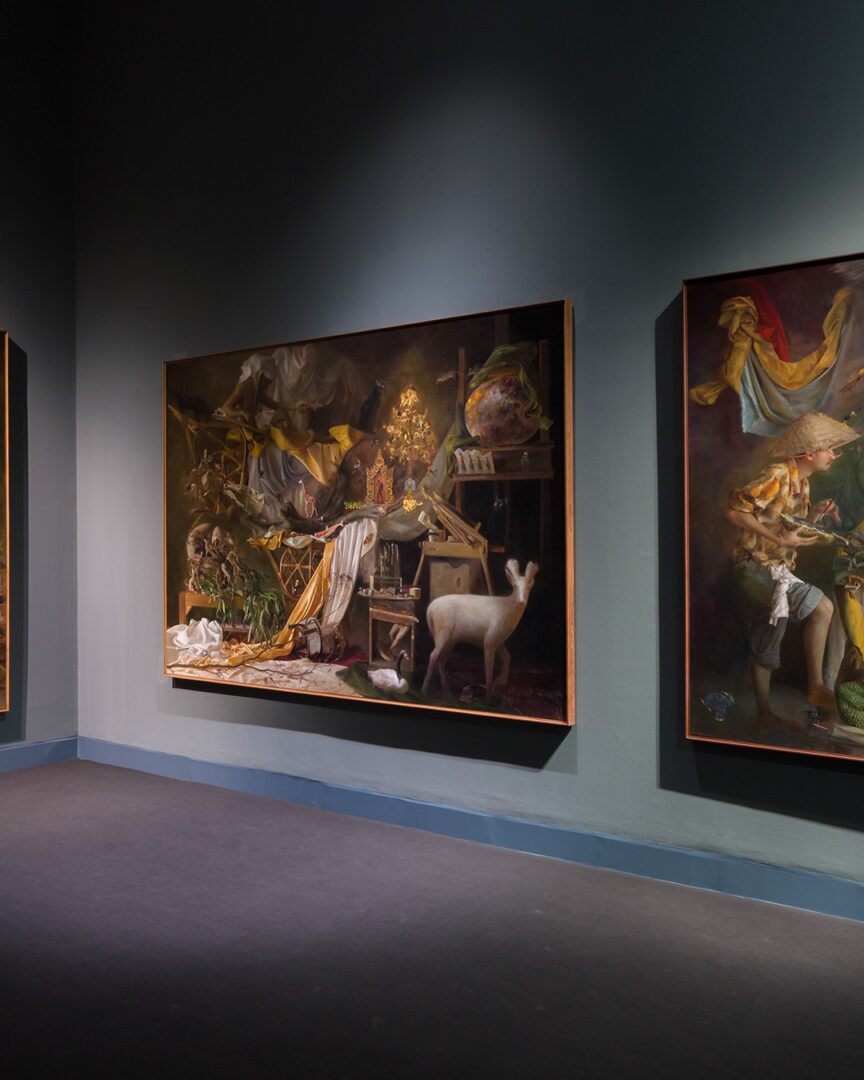
The artists featured in ICONOSTASIS stand at the forefront of this transformation. They have accumulated mastery through years of dedicated practice until that mastery evolved into a distinctive artistic language — one that is instantly recognizable without explanation. This journey was not built through shortcuts, but through the courage to remain committed to one’s own work, constant self-reflection, and persistent experimentation without giving up. Their works speak for themselves through quality and continue to evolve over time.
Wayne Traub added: “Amid the growing flood of impersonal, mass-produced imagery, handcrafted artworks with unique identities will become even more valuable. These are the new masters redefining the meaning and importance of craftsmanship once again.”