


The company identifies three phases of aviation transformation, from integrated data analytics and AI-powered personalised services to autonomous airport operations, while preparing to introduce advanced technologies at Suvarnabhumi Airport.
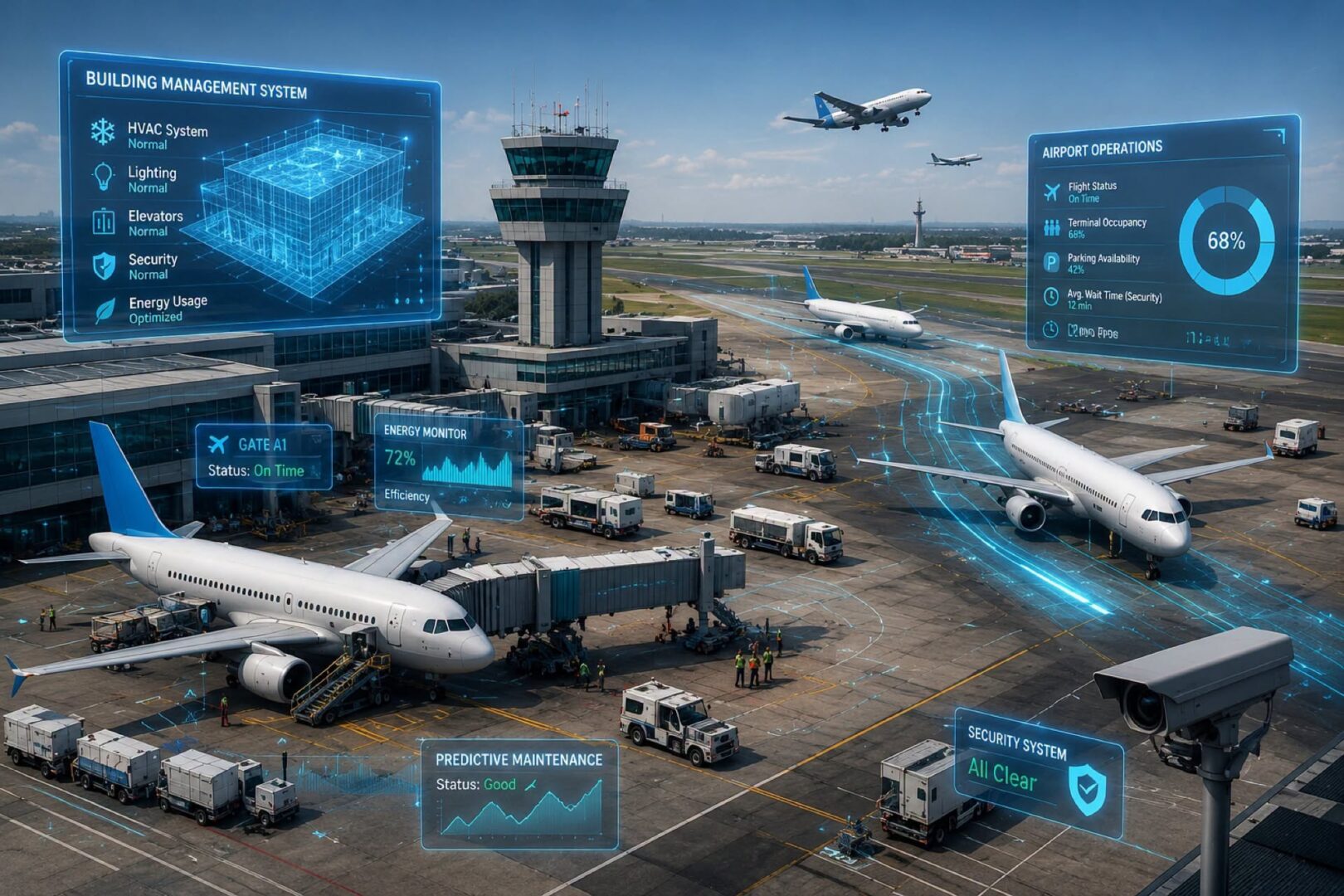
SKY Group (SKY) has shared key insights from international aviation industry events, highlighting the global aviation sector’s transition towards the era of “Intelligent Aviation”. This transformation is expected to unfold across three phases: Analyze & Predict, which integrates data from multiple systems to anticipate trends and potential scenarios; Personalized Services & Predictive Intelligence, which combines data analytics and Artificial Intelligence (AI) to deliver tailored passenger experiences and enable predictive risk management and preventive maintenance; and Empowered-Autonomous Airport, which brings together Automation, Biometrics and Robotics to support airport operations and create a seamless passenger journey.
SKY sees significant opportunities for Thailand to strengthen its position as a Regional Aviation Hub by adopting intelligent technologies and upgrading its aviation infrastructure.
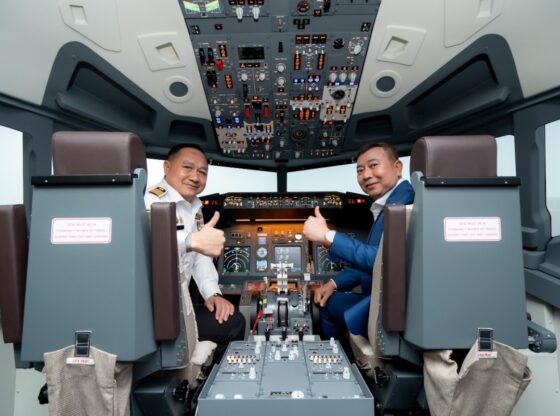
Mr. Sithidej Mayalarp, Chief Executive Officer of Sky ICT Public Company Limited (SKY), said that during the third quarter of this year, SKY participated in international aviation conferences in Singapore and Greece, where it exchanged business perspectives with members of the global aviation network. These discussions provided valuable insights into a major transformation taking place across the aviation and air transport industries.
He noted that the sector is moving beyond the application of innovation and technology simply to improve operational efficiency. It is now progressing towards Intelligent Aviation, an integrated ecosystem in which multiple technologies — including Data, Agentic AI, Automation, Robotics and Biometrics — work together seamlessly.
The transition towards Intelligent Aviation can be understood through three key phases.
Phase 1: Analyze & Predict
The first phase focuses on establishing an Aviation Data Hub, serving as an integrated data platform that consolidates information from different airport stakeholders into a centralised Big Data ecosystem. By bringing these datasets together, airport operators and relevant organisations can access more comprehensive information, enabling faster, more accurate and better-informed decision-making, while improving overall airport management efficiency.
Phase 2: Personalized Services & Predictive Intelligence
The second phase involves applying Agentic AI to analyse aviation Big Data and create more personalised passenger experiences. By connecting information on passenger behaviour and service preferences, AI can provide tailored recommendations and offers, such as products and promotions aligned with individual interests, as well as services relevant to passengers’ destinations and travel itineraries.
At the same time, AI will strengthen predictive operational management. By analysing operational and aircraft technical data, AI can help identify potential risks and enable maintenance teams to plan Preventive Maintenance in advance. This approach can reduce the likelihood of technical disruptions and enhance aviation operational safety.
Phase 3: Empowered-Autonomous Airport
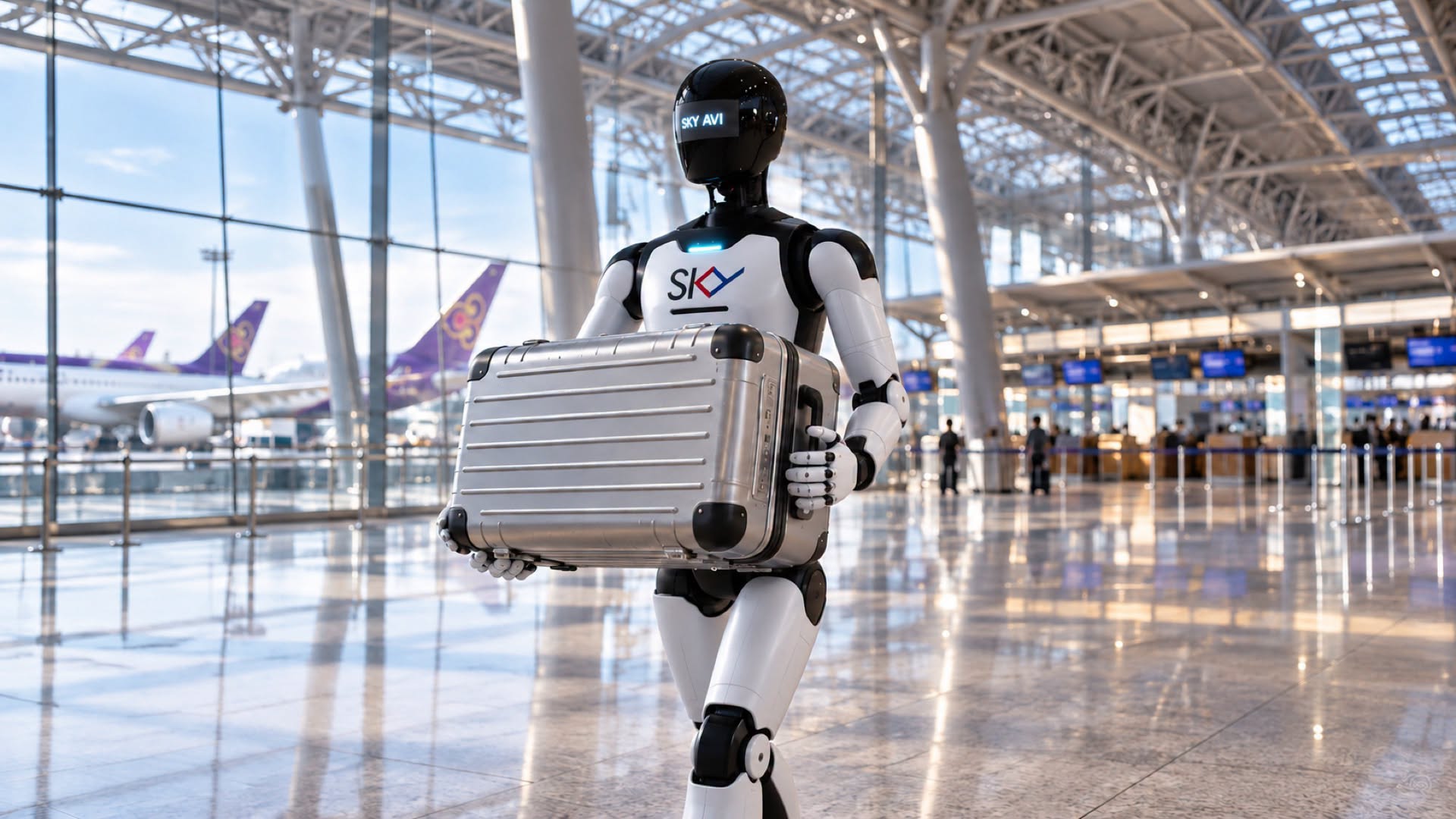
The third phase focuses on integrating Automation with Big Data and AI to support airport management and operations. Technologies such as Biometrics, Humanoid systems and Robotics will play an increasingly important role in streamlining processes and delivering a seamless passenger experience.
“Across the industry, there is growing emphasis on connecting data from different stakeholders so that all organisations can gain a shared overview and operate in a more synchronised manner. Automation is also being applied to airport businesses to help airports accommodate more passengers and improve operational efficiency.
“For example, humanoid robots can provide airport information and guide passengers through services in much the same way as human staff, while conventional robots can assist with transporting luggage or parcels along airport conveyor systems.
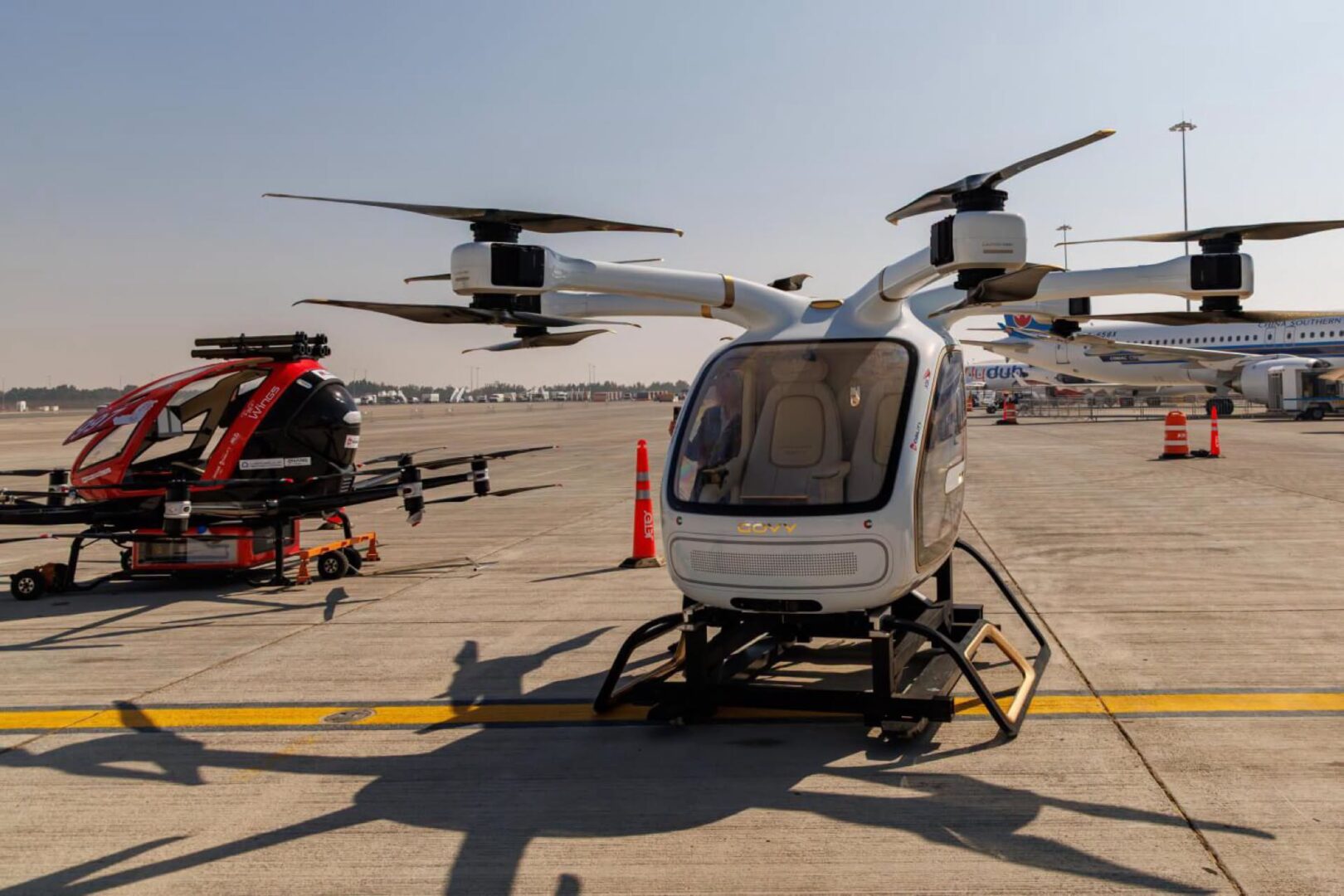
“Another interesting trend is eVTOL (electric Vertical Take-Off and Landing aircraft), which is emerging as a new business model. Passenger eVTOL services are already operating in countries such as China and the United States, with aircraft capable of carrying between one and six passengers per trip. There are also opportunities in eVTOL logistics, particularly for transporting goods to hard-to-reach locations such as mountainous areas, as well as in emergency response operations, where eVTOL aircraft could rapidly assist people stranded in high-rise buildings,” Mr. Sithidet said.
Thailand’s Infrastructure and Connectivity Support Its Regional Aviation Hub Ambitions
Mr.Sitthidet added that current developments in the global aviation industry present an opportunity for Thailand to advance its ambition of becoming a Regional Aviation Hub. Thai airports are increasingly gaining recognition for their digital technology capabilities and airport regulatory standards.
One notable development is the establishment of the Flight Operations Center of Excellence under Skywise, a regional digital aviation business support centre by Airbus and ICAO. At the same time, Thailand continues to invest in and develop its airport infrastructure.
Key projects include the construction of the SAT-1 passenger terminal and the third runway at Suvarnabhumi Airport, the next phase of Don Mueang International Airport’s development plan, and the development of U-Tapao Airport as a key aviation centre for the Eastern Economic Corridor (EEC).
Together, these developments are intended to strengthen Thailand’s capacity to accommodate approximately 150–200 million passengers and tourists annually.
Thailand’s geographical position also provides a strategic advantage, connecting East Asia, South Asia, Europe and Australia. This connectivity gives the country strong potential to serve as both an international Transit Hub and a global Air Cargo Hub.
SKY to Introduce Humanoid Robots and Smart Operations Innovations at Suvarnabhumi
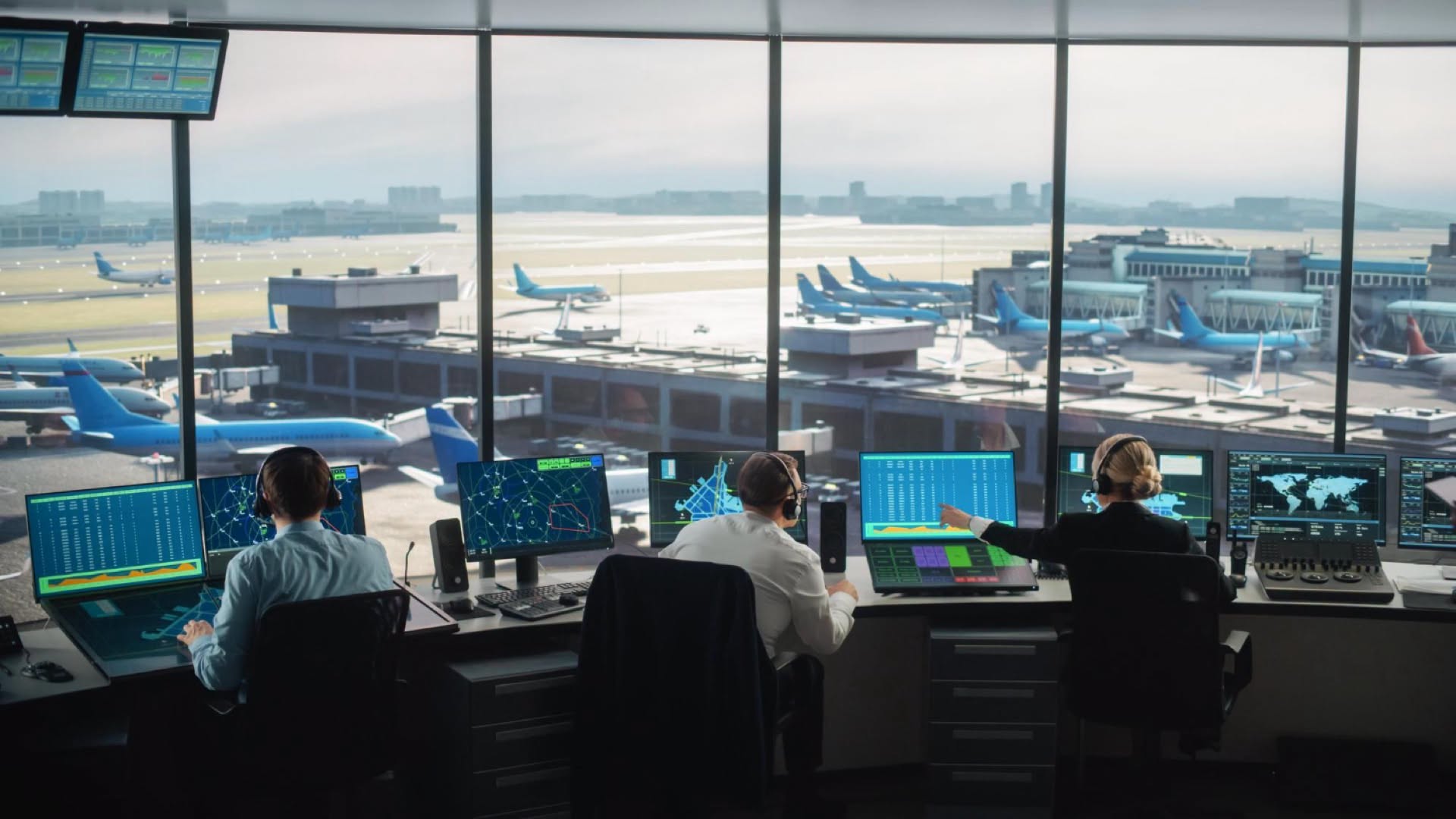
“Over the past ten years, SKY has been committed to bringing intelligent technologies into Thailand’s airports. These include the Common Use Passenger Processing System (CUPPS), the Advance Passenger Processing System (APPS), the Common Use Baggage Drop (CUBD), Self-Service Boarding Gates (SBG), as well as Biometrics technology. These solutions have helped strengthen Thailand’s aviation capabilities and support its ambition to become a Regional Aviation Hub.
“Towards the end of this year, SKY plans to pilot new intelligent technologies, including humanoid robots to provide services within Suvarnabhumi Airport. We are also developing innovations for a smart operations centre to enhance the efficiency of ground operations,” Mr. Sithidet said.
Through these initiatives, SKY aims to support the continued digital transformation of Thailand’s aviation infrastructure, contributing to more efficient airport operations, improved passenger experiences and the country’s long-term development as a leading regional aviation hub.