


Amid today’s multifaceted global challenges — from inequality and the digital transition to the push for sustainable development — the creative economy has emerged as a powerful engine of growth. Beyond its economic value and revenue generation, the creative economy reflects the capacity to drive innovation, foster cultural exchange, and connect communities. This trend is increasingly evident around the world.
On the global stage, the United Kingdom is widely recognised as a strong model of a thriving creative economy. The UK’s cultural and creative industries employ over two million people, a figure projected to reach three million within the next five years, and generates £124 billion — more than five trillion baht — each year.
Ms Helen Fazey, UK Ambassador to ASEAN, said “The UK’s own experience shows how creativity drives innovation and growth. Through our partnership with ASEAN, we’re committed to unlocking similar potential across Southeast Asia.”

Mr Danny Whitehead, Country Director of the British Council Thailand, said: “The UK sees tremendous potential in ASEAN’s creative economy, which is projected to reach USD 300 billion by 2030 and play a key role in regional development. In Thailand alone, the creative economy already accounts for 8.01% of GDP.”
With this in mind, if Thailand can overcome the challenges it faces, the nation’s creative leadership will strengthen its leadership position. Collaboration with ASEAN and the UK is therefore crucial to unlocking the region’s full potential.
Unlocking Thailand’s Potential: Insights from Regional Findings
The ASEAN–UK Advancing Creative Economy programme is jointly funded by the UK Mission to ASEAN and the British Council, in partnership with the ASEAN Secretariat. As ASEAN Dialogue Partner, it is one of the UK government’s initiatives supporting the ASEAN Socio-Cultural Community Blueprint 2025 and the ASEAN Strategic Plan for Culture and Arts 2016–2025, with the British Council serving as the lead implementing agency.
As part of the programme, the Regional Perception Poll on the ASEAN Creative Economy offers a revealing snapshot of ASEAN’s creative landscape, highlighting noteworthy insights for Thailand, including:
Distinctive strengths: A significant number of Thais have a strong preference for local creative products: 39% regularly consume home-grown films, music, handicrafts, and more. Moreover, “local wisdom and culture” remain a defining asset — a rich source of inspiration for Thai creatives. According to the survey, 54% believe these cultural foundations strongly influence creative product development. The findings also reflect widespread confidence among Thais that the creative economy is a vital driver of national growth and prosperity.
Challenges that must be addressed Key gaps remain — including:
- Skills gaps: A need for stronger digital skills, creative thinking, marketing, branding, and essential soft skills.
- Ecosystem gaps: A more supportive creative environment, along with stronger policies and infrastructure.
- Collaboration gaps: Half of creative entrepreneurs surveyed (50%) cited a lack of regional coordination and collaboration as a major obstacle.
Pathways to Progress: ASEAN–UK Creative Collaboration
Guided by the Perception Poll findings, the ASEAN–UK Advancing Creative Economy programme continues to support policies and activities that cultivate a thriving creative ecosystem across ASEAN and Thailand.
Strengthening human capital and closing the skills gap
The programme addresses human-capital challenges by upskilling entrepreneurs and creative producers. The ASEAN–UK Festival Management Training has enhanced essential capabilities for delivering high-quality, internationally competitive festivals. In addition, the Craft Toolkit (crafttoolkit.com), developed by the British Council and Applied Arts Scotland with craft organisations in Scotland, provides an accessible self-learning platform to support business development and product innovation for artisans and creative enterprises.
Building policy foundations and structures
The programme also drives policy development and research to strengthen the creative economy at a regional level. The ASEAN Creative Economy Sustainability Framework establishes a unified approach to supporting creative growth across ASEAN. The Hybrid Creative Economy Policy Training Programme equips policymakers with a deeper understanding of the creative economy, enabling them to cultivate stronger creative ecosystems.
Connecting regional and global networks
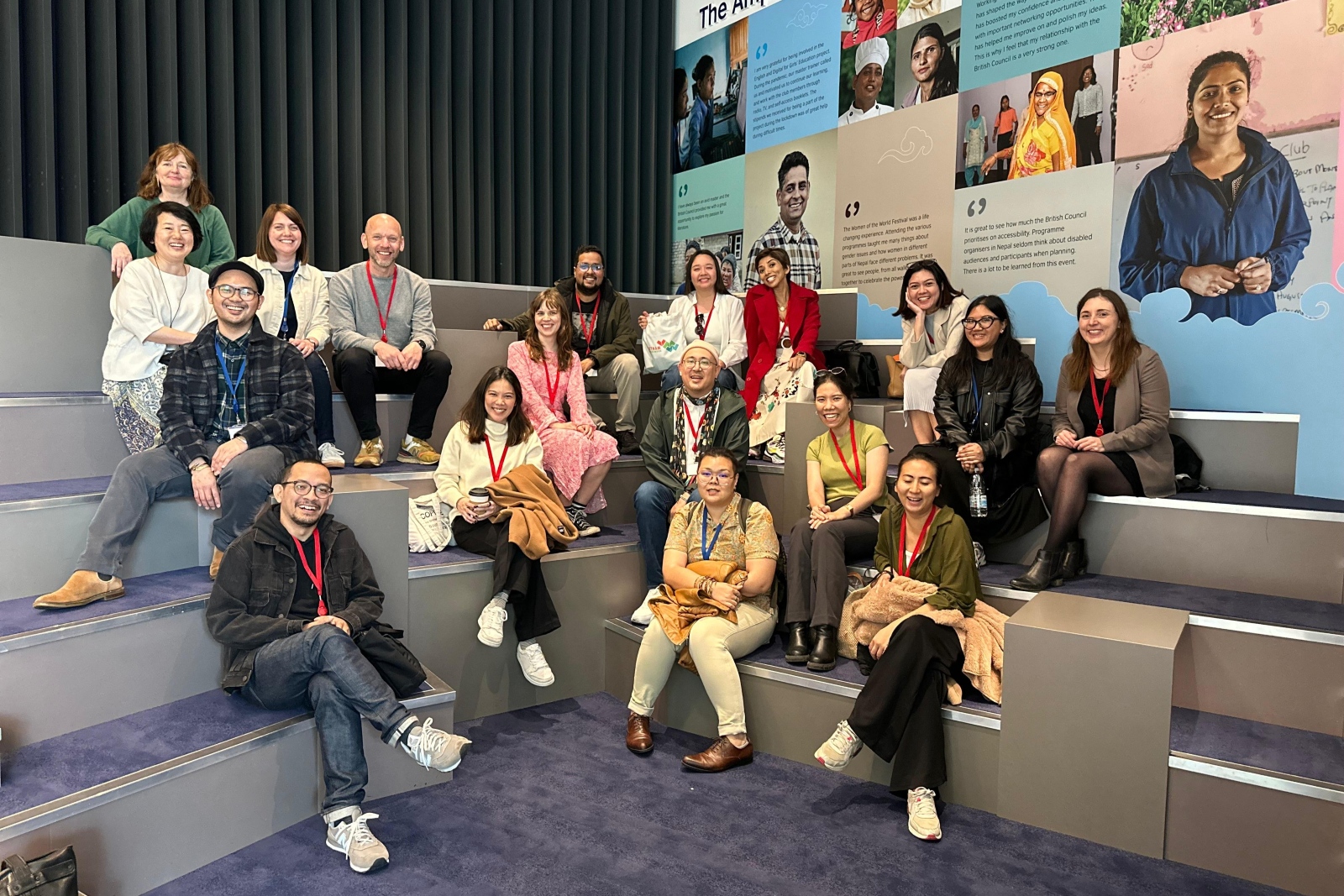
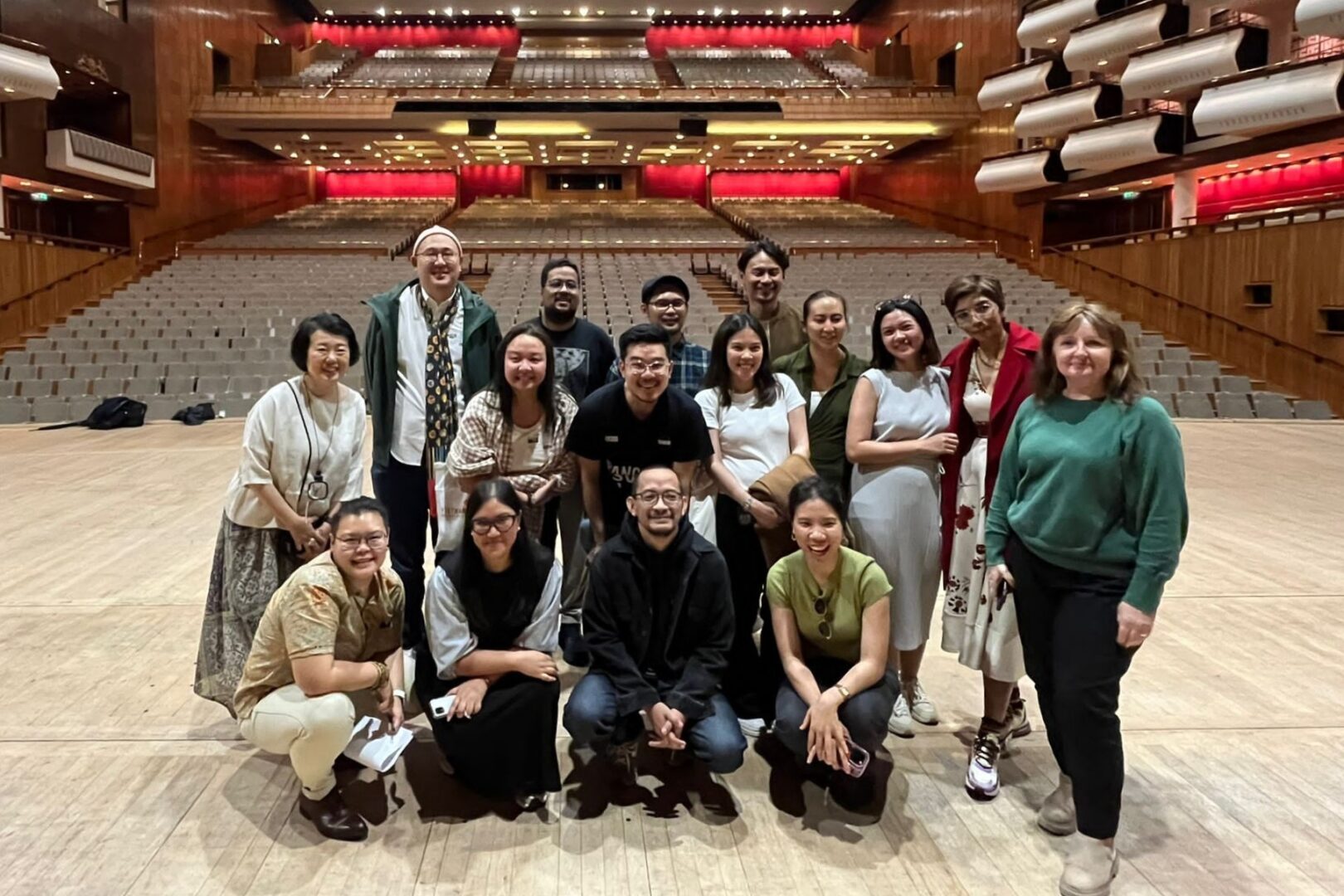
The initiative promotes international and regional linkages, creating opportunities for collaboration and co-creation. The ASEAN–UK Music Delegation brought representatives from Thai festivals — including Wonderfruit, Maho Rasop , and Bangkok Music City — to UK music festivals to build networks and partnerships with UK and ASEAN counterparts. The British Council has also supported Thai government delegations to visit UK creative cities and festivals, as well as Thai artists participating in residencies and festivals, to deepen cultural exchange and international cooperation.
Developing creative networks within Thailand
The programme has worked to strengthen creative networks in Thai provinces such as Phrae, Sakon Nakhon, Chiang Mai, Chanthaburi, and Nakhon Ratchasima, and is a partner in the UCCN Co-Creative City Model. This initiative focuses on research, collaboration, and place-based development to build robust creative ecosystems and forge strategic partnerships with cities across Thailand. Key partners include the Creative Economy Agency (CEA), the Thailand Convention and Exhibition Bureau (TCEB), and the Designated Areas for Sustainable Tourism Administration (DASTA).

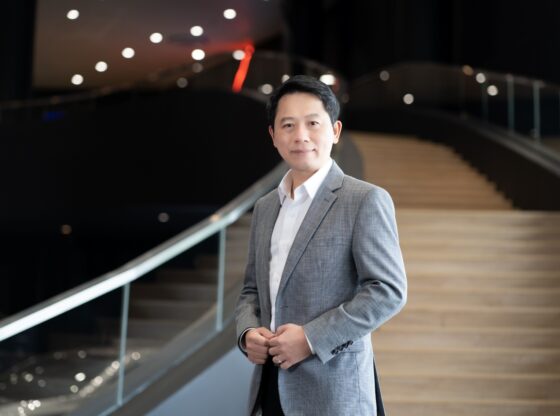
Mr Chakrit Pichyangkul, Executive Director of the Creative Economy Agency (Public Organisation), said: “The UK is a global leader in the creative economy. Working with the British Council helps position Thailand as a creative economy leader, both regionally and globally, through skills exchange, innovation development, and strong ecosystem building — all of which are essential to Thailand’s long-term sustainable growth.”
The Future of Thailand’s Creative Economy on the World Stage
Thailand’s cultural richness and creative talent are significant strengths. To realise their full potential, these strengths must be supported with global perspectives, strategic insights, and successful international models adapted to Thailand’s context, alongside greater regional and international collaboration.
The time to act is now — with ASEAN–UK collaboration, Thailand can lead the region’s creative revolution.