



The global mountain and snow tourism market is expected to experience significant growth in the coming years, reaching $6.19 billion by 2028, up from $4.52 billion in 2023. The market is projected to grow at a compound annual growth rate (CAGR) of 6.5%. The increasing popularity of mountain destinations and winter sports, combined with rising income levels, is driving this growth. The demand for both adventure tourism and wellness experiences in scenic mountain locations has sparked new trends and developments within the market.
Factors Driving Market Growth: Adventure Tourism and Wellness Trends
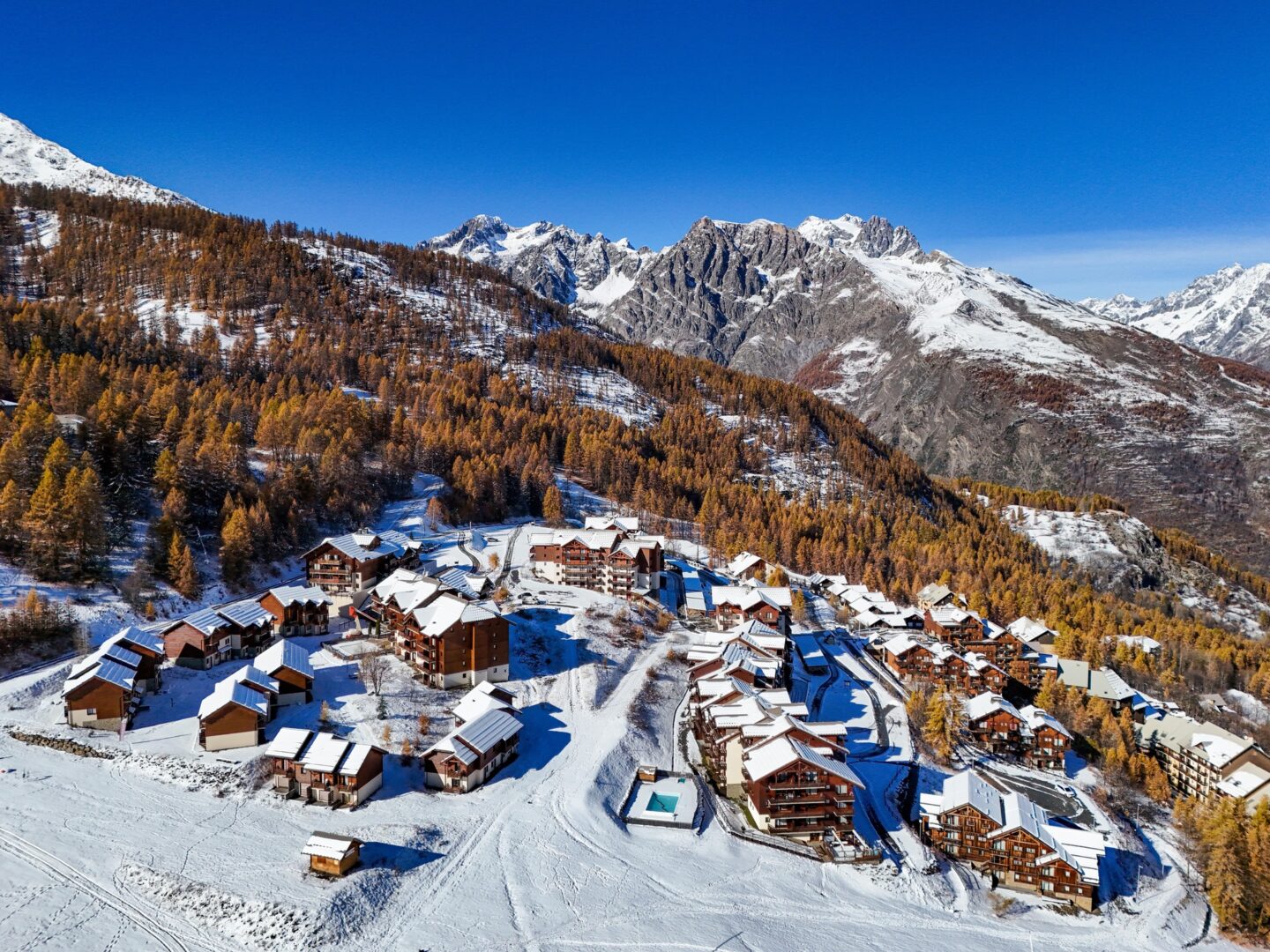
Several factors contribute to the rapid growth of the mountain and snow tourism sector. First and foremost, the demand for mountain tourism has increased, as many travelers seek to escape the stress of modern life by visiting tranquil and scenic destinations. Mountain resorts are no longer just about skiing; they now offer integrated wellness programs, luxurious accommodations, and creative services designed to attract a diverse range of visitors.
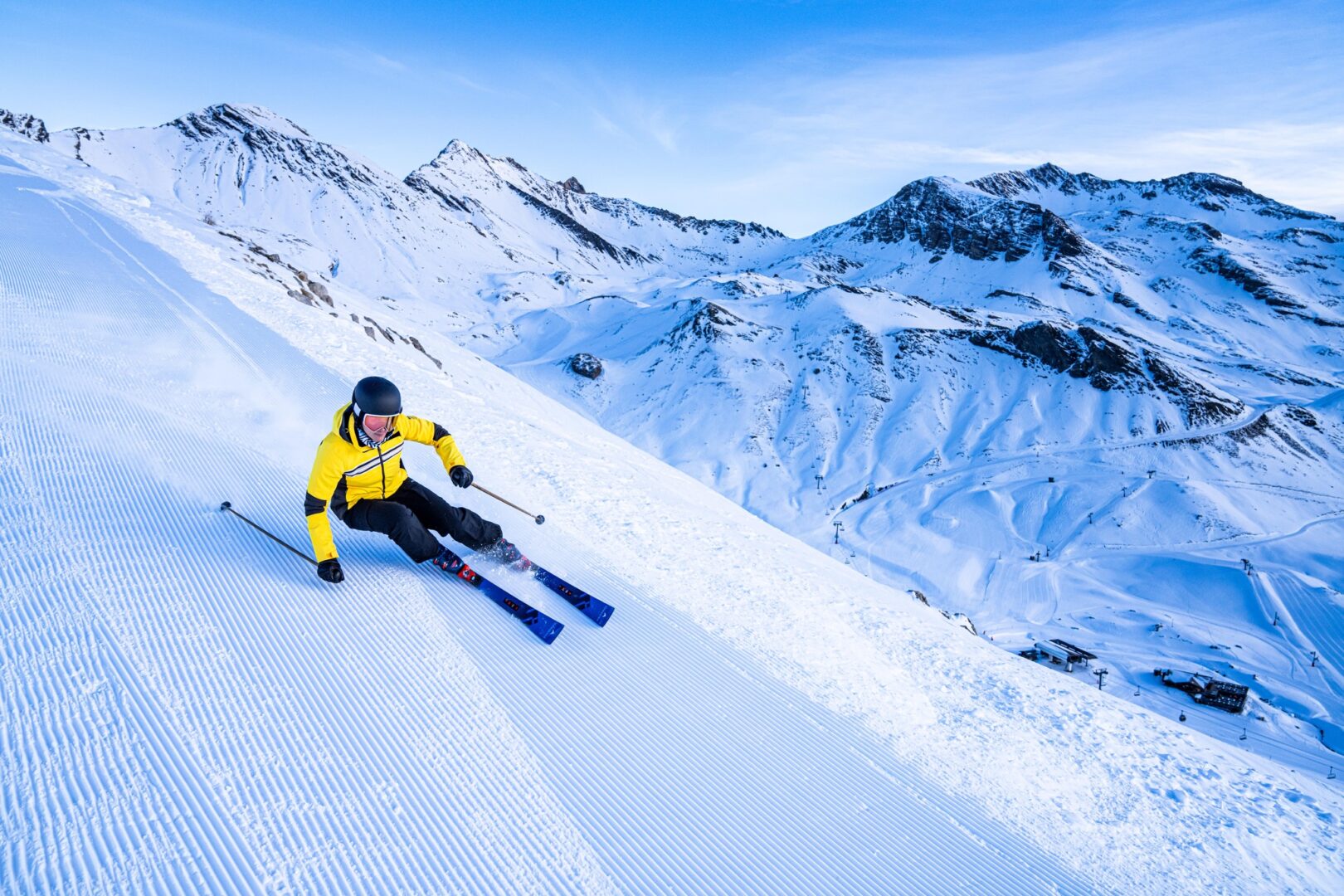
The growth of winter sports tourism is also a significant driver. Skiing, snowboarding, and other snow-related activities are becoming increasingly popular, with new destinations emerging in regions like the Asia-Pacific and Eastern Europe. This sector’s expansion is further supported by the rising popularity of adventure tourism, with travelers seeking physical challenges and immersive outdoor experiences in natural, remote environments.
In addition, technological advancements such as online travel platforms and virtual tours are opening new avenues for people to explore mountain and snow destinations. Virtual reality (VR) experiences, 3D tours, and advanced digital marketing strategies are generating greater interest and making remote destinations more accessible.

Adventure Tourism and Escaping the Bustle in Mountain Destinations
Adventure tourism has become mainstream in the overall travel market, and mountain and snow tourism plays a key role in this trend. This form of tourism, which involves exploring remote or exotic destinations while engaging in physically challenging activities, aligns perfectly with the allure of mountain locations. Whether hiking through snow-covered peaks, engaging in winter sports, or exploring rugged landscapes, adventure seekers are flocking to these areas to experience unforgettable journeys.
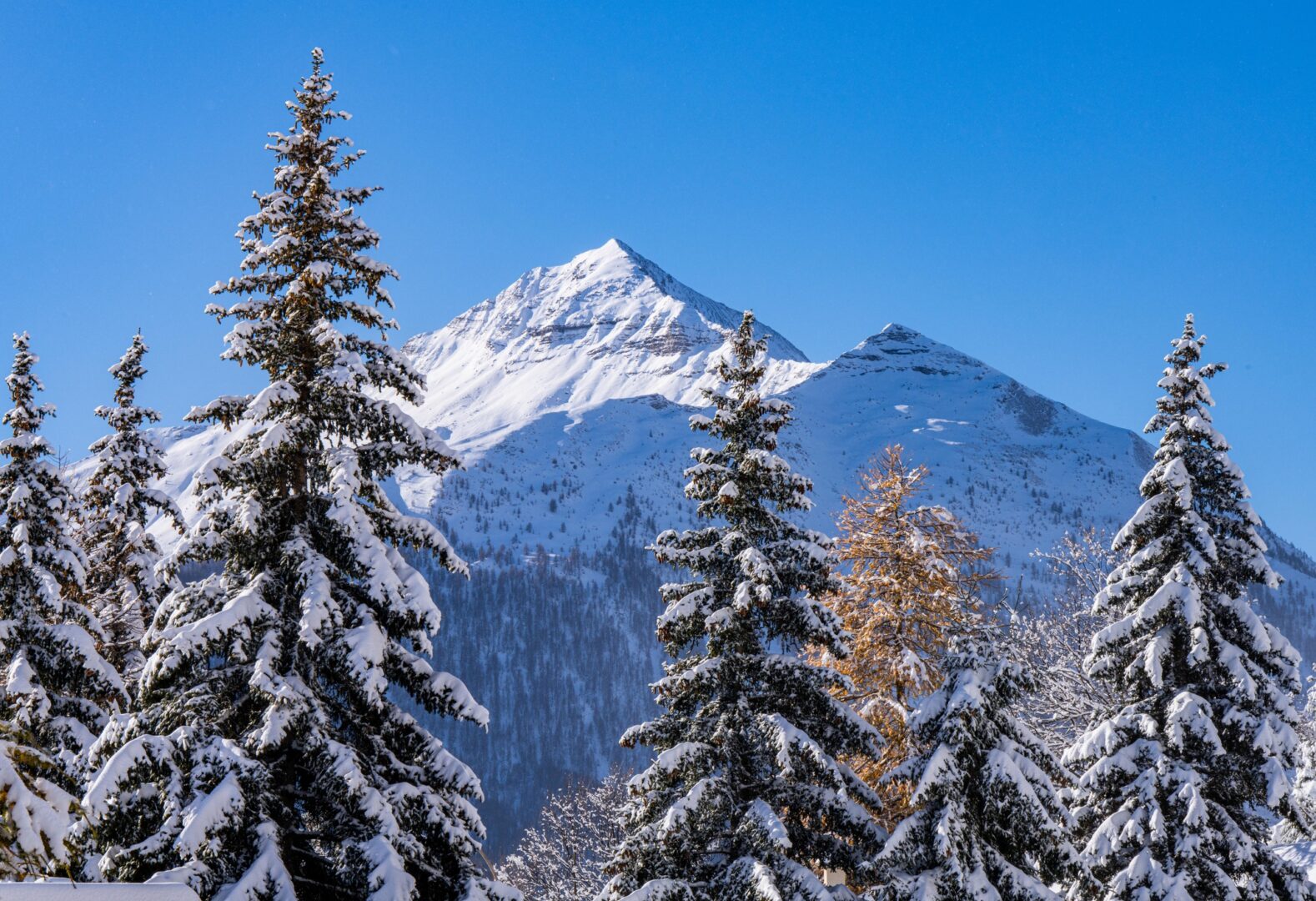
Increased interest in wellness tourism has further stimulated demand. Travelers are now looking for destinations that offer not only outdoor activities but also relaxation, spas, and wellness retreats set in natural surroundings. Mountain resorts, especially in destinations like the Swiss Alps, the Rockies, and the Himalayas, are capitalizing on this trend by offering everything from detox programs to yoga retreats, alongside skiing and hiking activities.
Key Market Players and Innovations in Mountain Tourism
The mountain and snow tourism market is a hub for several major players who play a vital role in shaping the industry’s direction. Companies like Alterra Mountain Company, Trip Advisor, and Thomas Cook Ltd. offer new services and packages to meet the growing demand. Whistler Blackcomb Holdings Inc. and Mammoth Mountain Ski Area LLC, for example, are continuously expanding their offerings, which now include ski packages, wellness options, and even virtual tours of ski resorts.
Artificial intelligence (AI) is also playing an increasingly important role in this sector. Some resorts have integrated AI-driven features to enhance customer experiences. For example, Vail Resorts in the United States launched “My Epic Assistant” in 2024, an app that provides real-time information about snow conditions, rentals, and ski schedules, all powered by AI. This technological innovation aims to improve guest satisfaction and safety by providing timely updates on mountain conditions.
Market Segmentation and Regional Trends
The mountain and snow tourism market can be segmented in several ways, with the most common categories including:
Tour types: Independent travelers, group tours, and family leisure travel
Traveler types: Domestic and international tourists
Booking channels: Online booking platforms and direct bookings
Service types: Skiing, hiking, snow tubing, snowmobiling, and more
In terms of market share, the Asia-Pacific region dominates the largest segment, with countries like Japan, China, and South Korea leading the way in skiing and snowboarding tourism. Western Europe, with its world-renowned ski resorts in France, Switzerland, and Austria, also plays a significant role in the market. Meanwhile, North America, particularly the United States and Canada, remains a strong competitor with its large mountain resorts and winter sports facilities.
The Middle East and Africa are emerging markets for winter tourism, with destinations like Morocco and South Africa starting to offer snow sports experiences, though on a smaller scale. Eastern Europe, with affordable ski destinations in Poland, Slovakia, and Bulgaria, is also gaining popularity, as budget-conscious travelers seek more affordable ski options.

The Future of Mountain and Snow Tourism
Looking ahead, the mountain and snow tourism market is expected to continue its growth. The combination of winter sports, adventure tourism, and wellness tourism will continue to attract a broad range of visitors, from those seeking thrill and excitement to families looking for mountain retreats. Sustainable tourism trends will also drive innovation, with companies focusing on eco-friendly ski resorts, green technologies, and the conservation of natural mountain environments.
Additionally, the development of high-tech tools such as AI, virtual reality, and 3D mapping will enhance tourist experiences, making destinations more accessible, safer, and appealing. As the global economy recovers and travelers place more value on experiences over material goods, mountain and snow tourism is likely to become an even more significant part of the global travel market.
Conclusion: A Thriving Industry with Expanding Horizons
The mountain and snow tourism market is not only surviving but thriving, with a strong projected growth rate of 6.5% and an expected market value of $6.19 billion by 2028. This sector is becoming a key contributor to global tourism, as adventure and wellness tourism continue to develop. Mountain destinations will remain top choices for travelers seeking both excitement and relaxation in the most beautiful and rugged natural environments the world has to offer.