


Leading luxury brands point to “experience and personalization” as the core of modern luxury travel.
In Thailand, the definition of luxury is no longer limited to hotels, shopping, or real estate. It has expanded into lifestyle brands, travel, and personalized experiences, all of which play a significant role in shaping the behavior of high-net-worth travelers.
Where once luxury focused on owning designer goods or property, today’s affluent consumers are placing greater importance on lifestyle, individuality, and personal experiences. As a result, industries that were once separate such as hospitality, fashion, private aviation, yachting, and design are becoming increasingly interconnected to meet the evolving demands of global luxury travelers.
This key trend was highlighted at the Phuket Property Exchange, part of C9 Sessions, where leaders from the hospitality, lifestyle, private aviation, and marine sectors shared insights into the future of luxury travel and living in Thailand.
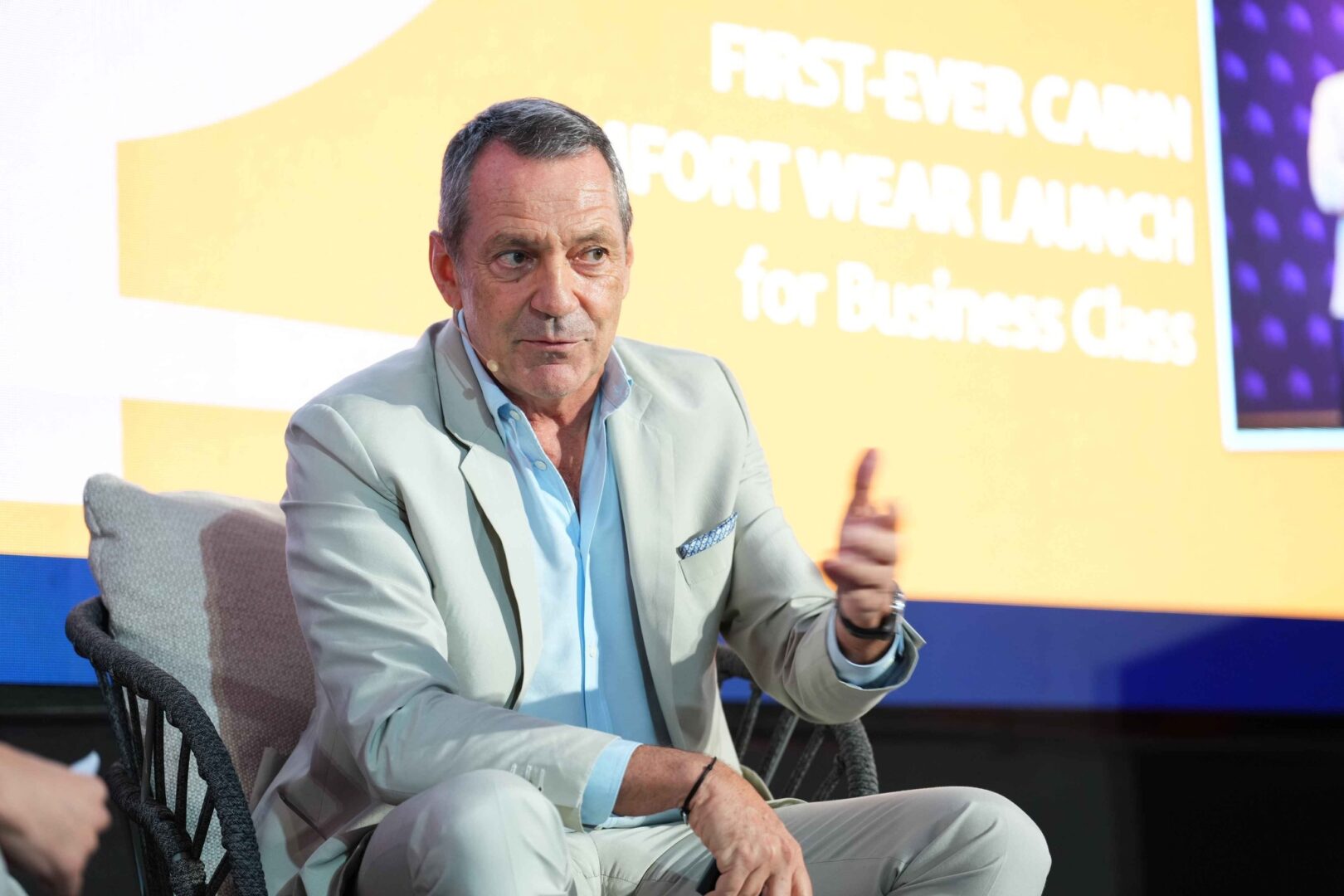
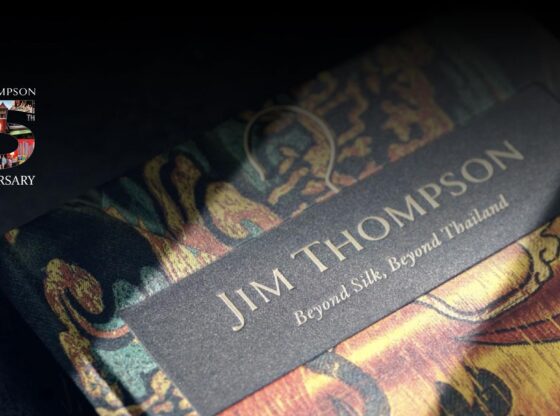
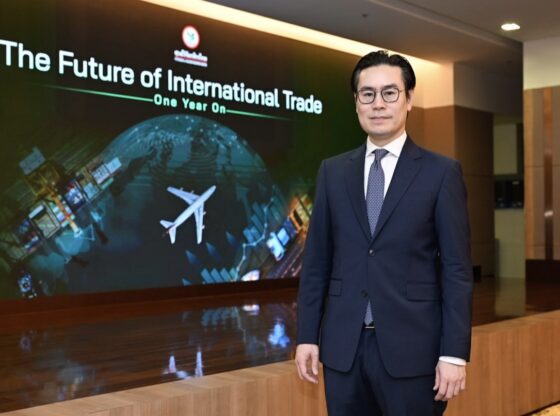
Frank Cancelloni, CEO of Jim Thompson, stated, “Luxury today is no longer about ownership alone; it is about becoming part of people’s lives. In recent years, Jim Thompson has evolved from a heritage souvenir brand into a global lifestyle brand, expanding into fashion, retail, food and beverage, and now extending into hospitality and branded residences. This reflects how the language of luxury today lies in storytelling, lifestyle, and emotional connection.”
Frank’s perspective reflects a broader shift within the luxury industry, as brands expand beyond traditional boundaries to create more integrated ecosystems. Fashion, hospitality, dining, and residential living are converging into comprehensive lifestyle platforms, allowing consumers to engage with brands in deeper and more personal ways.
In destinations like Phuket, this trend is even more evident. Once known primarily as a leisure destination, Phuket is now emerging as a diverse lifestyle hub, attracting both international investors and travelers seeking investment opportunities alongside quality of life. Branded residences, private travel, and curated cultural experiences have become key components of this new form of luxury.
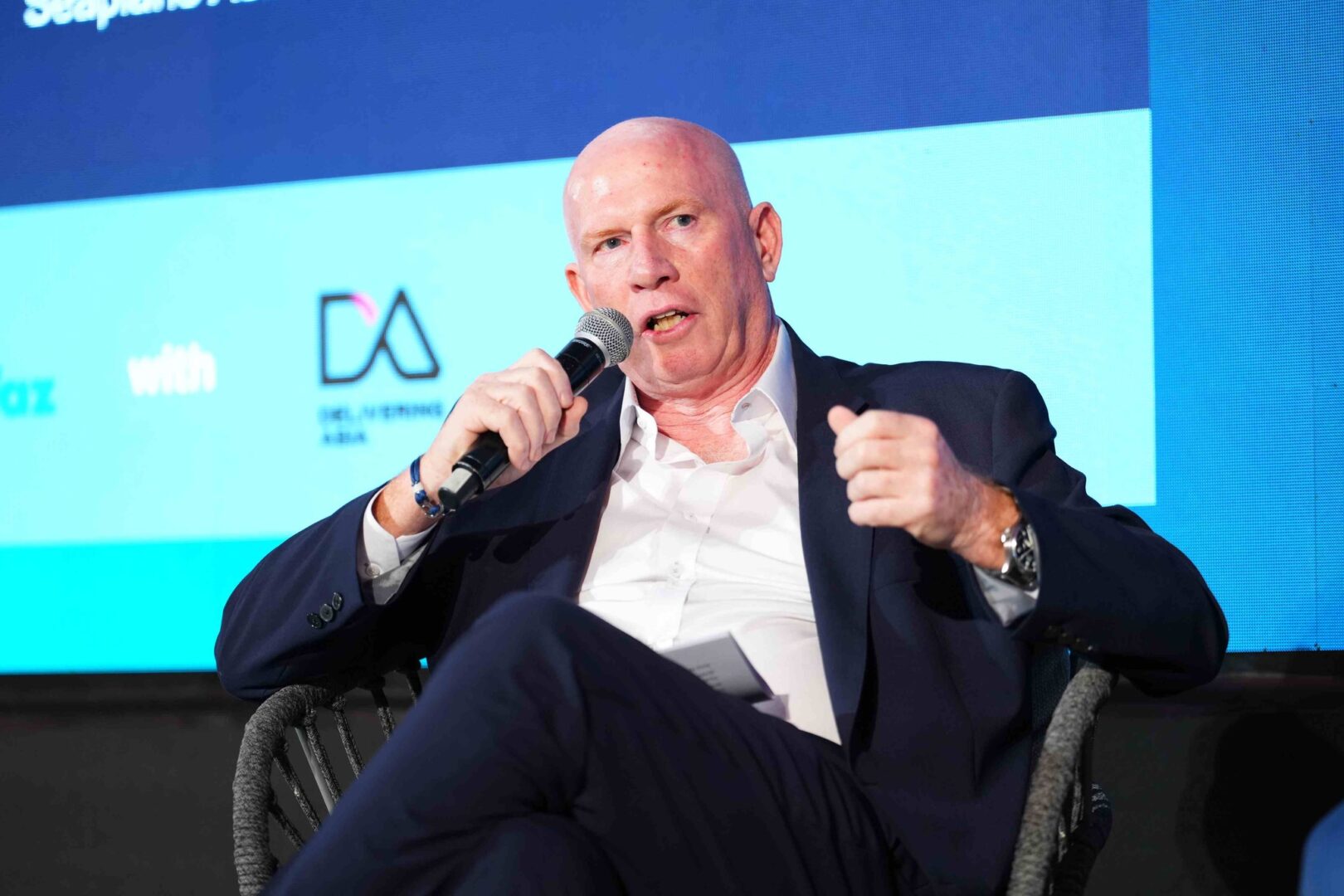
At the same time, mobility plays a crucial role in driving this transformation. Richard Allen, CEO of Boat Lagoon Yachting, noted that the growth of the yachting and marine tourism sectors reflects increasing demand for freedom, privacy, and exploration.
“Since the post-COVID period, we have seen clear growth in the yachting business, as clients increasingly value privacy, independence, and the ability to explore destinations on their own terms. Phuket is one of the world’s premier yachting destinations, and as more people spend time at sea, we are seeing a strong connection between yachting tourism, real estate investment, and long-term lifestyle choices,” Richard said.
Meanwhile, private aviation is transforming how luxury travelers access destinations. As global travel behavior evolves, flexibility and seamless connectivity have become essential elements of luxury travel.
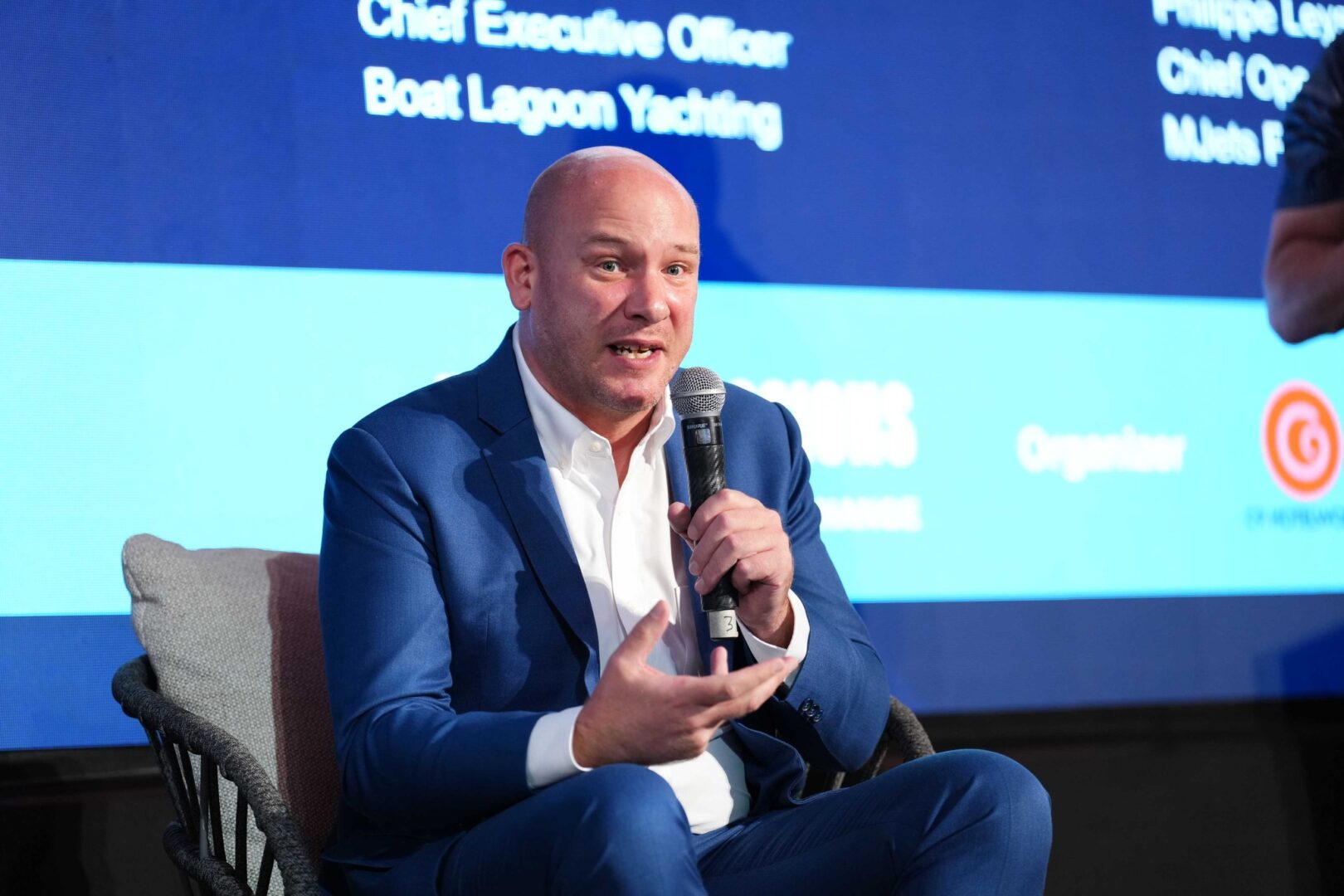
Philippe Leysen, Chief Operating Officer of MJets Private Aviation, said, “Once people experience the flexibility and convenience of private aviation, it naturally becomes part of their lifestyle. The ability to travel directly from major cities such as Bangkok, Singapore, or Hong Kong to Phuket has completely transformed how high-net-worth individuals plan their journeys.”
This shift is particularly evident among a new generation of affluent investors in the region, who prioritize speed, privacy, and tailored services. For this group, “mobility” is no longer just about transportation—it has become an integral part of the luxury experience itself.
As Frank concluded, brands that succeed in the future will be those that understand this transformation: “The future of luxury lies in creating experiences that people want to be part of. The key is to build emotional connections and deliver a lifestyle that goes beyond the product itself.”