


It’s hard to fathom the scale of Tokyo, even when you’re there. This booming megalopolis has a larger population than London or New York City and functions better than either. And yet the Japanese capital is far from being just functional — with such a colossal population, a trip to Tokyo can feel like a tour around the entire world. Gear yourself up for a city of extraordinary contrasts: Michelin-starred sushi and deep-fried street food; serene temples and sleepy shrines; banging nightclubs and hushed tea ceremonies.
Both formal and casual, traditional and hi-tech, Tokyo’s contrasts are what make it so endlessly fascinating.
The city’s faithfulness to ancient customs and futuristic thinking, its patience and poise amid the buzz and flashing lights, its disarming ability to make you feel – even while jet-lagged, culture-shocked and most probably lost – utterly safe and at ease are all invigorating contradictions.
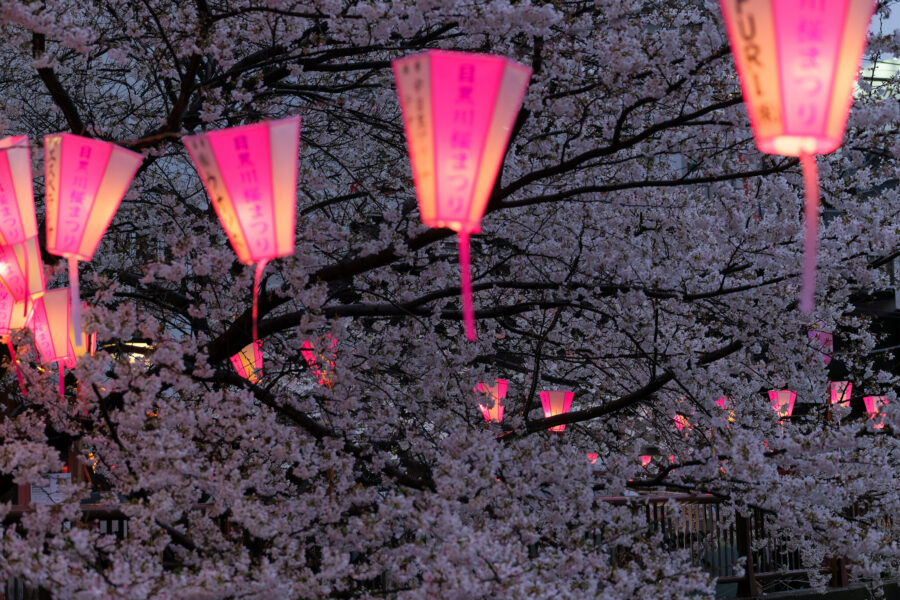
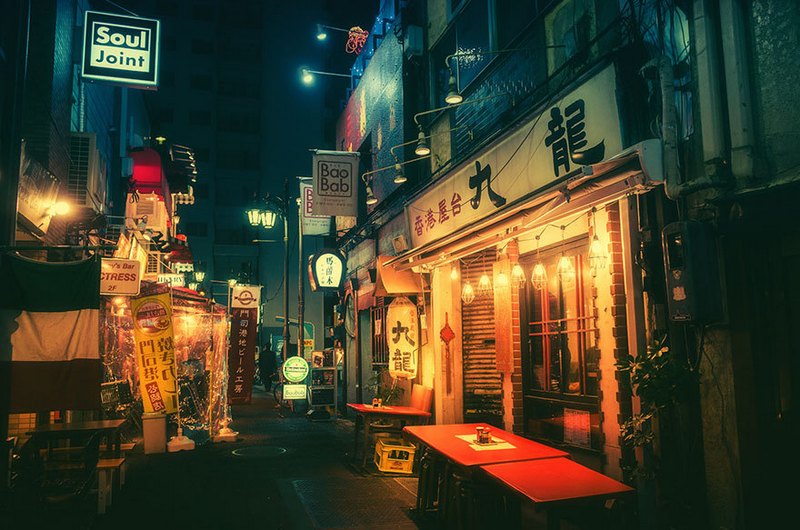
Thanks to the enviably low crime rate, it’s a place you may want to explore a little more than other world cities: perhaps you’ll head down that curious-looking side street, peek beyond that restaurant curtain and step into the scene inside, or meander back to that blossom-clad boutique you cycled past in a less well-trodden district.
Things to do in Tokyo
How to let the wonderful, at times frenetic, energy of this megacity take over
Deciding what to do and see in Tokyo depends on how much time you have – and for your sake, we hope you have a month. The city’s streets can feel like a game of soccer played at hyper speed, while calmer attractions range from temples, museums, gardens, origami classes, and bohemian sojourns.
Yayoi Kusama Museum
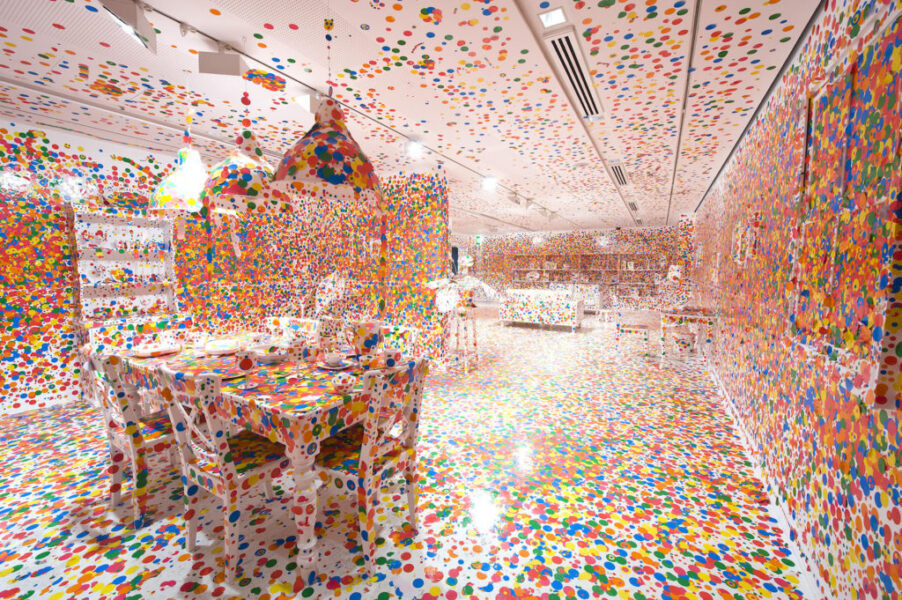
In a suburban part of Shinjuku, a smooth white building rises five stories high – a museum completely devoted to the works of Yayoi Kusama. The building looks slim, but it houses a bulk of the larger-than-life and avant-garde artist’s pieces, including an installation of her “infinity room” series (an Instagram sensation which, in the past, drew hundreds of thousands of visitors in stateside exhibitions) to polka-dotted paintings and sculptures. The museum changes its exhibition two times a year, and as it’s still relatively new, it’s only cracked the surface of the prolific artist’s work.
Senso-ji
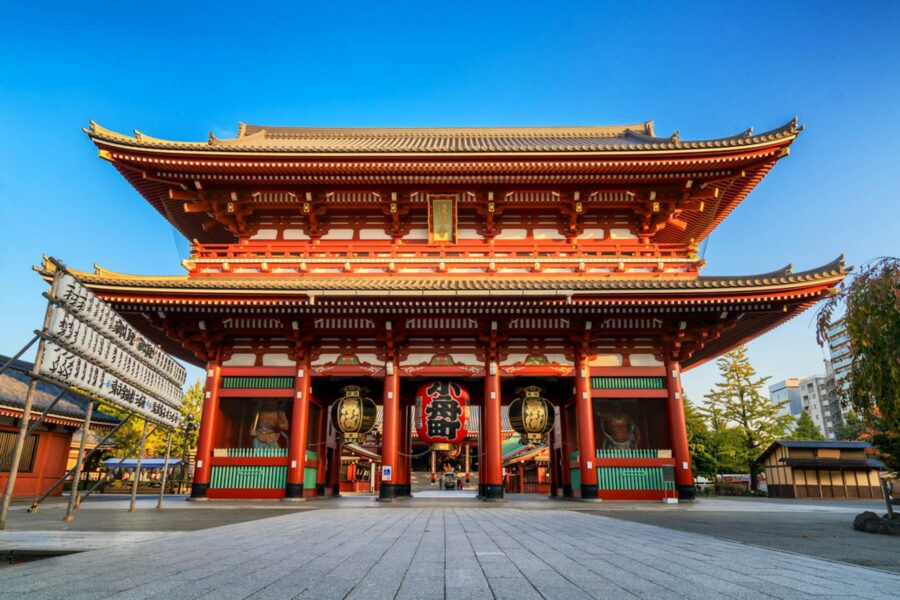
Tokyo may not have as many temples as Kyoto, but Senso-ji isn’t the capital city’s most popular just by default. The atmosphere alone here is one for the bucket list. Senso-ji, the temple itself, is at the end of the shopping street, while a recently renovated five-story pagoda stands to the left (ranking as the second tallest pagoda in Japan). Japanese visitors flutter around a large cauldron in front of the temple where incense burned inside is said to benefit good health. Travellers keen to avoid crowds should arrive early, but even tourists who are remotely interested in Japanese culture will find something to appreciate here.
Shibuya Crossing
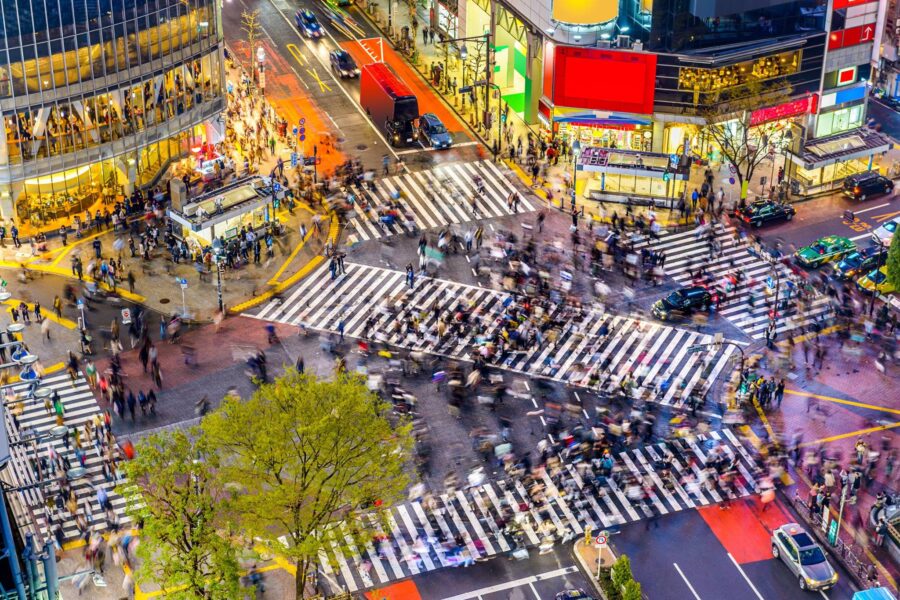
Anyone remotely impressed that Tokyo is the most populated city in the world should visit the world’s busiest intersection at Shibuya Crossing. Massive video screens flashing advertisements tower above every corner as black-suited salarymen, wide-eyed tourists, and bag-toting shoppers wait and cross in concert. The feeling is oddly soothing, a reminder that whatever our disparate paths in life, they all have a tendency to cross at one time or another. The best time to go is at dusk, one of the scramble’s peak times and in its most flattering light. The Shibuya Scramble Square tower above Shibuya station offers a bird’s eye view of the famous crossing, along with panoramic vistas of the city from the Shibuya Sky rooftop observatory, perched 230 metres above street level.
The best hotels in Tokyo
Whether it’s a traditional ryokan in the middle of the city or a quirky boutique hotel you seek, Tokyo offers a little bit of everything
Aman Tokyo
Best for: A minimalist’s dream high above the financial district
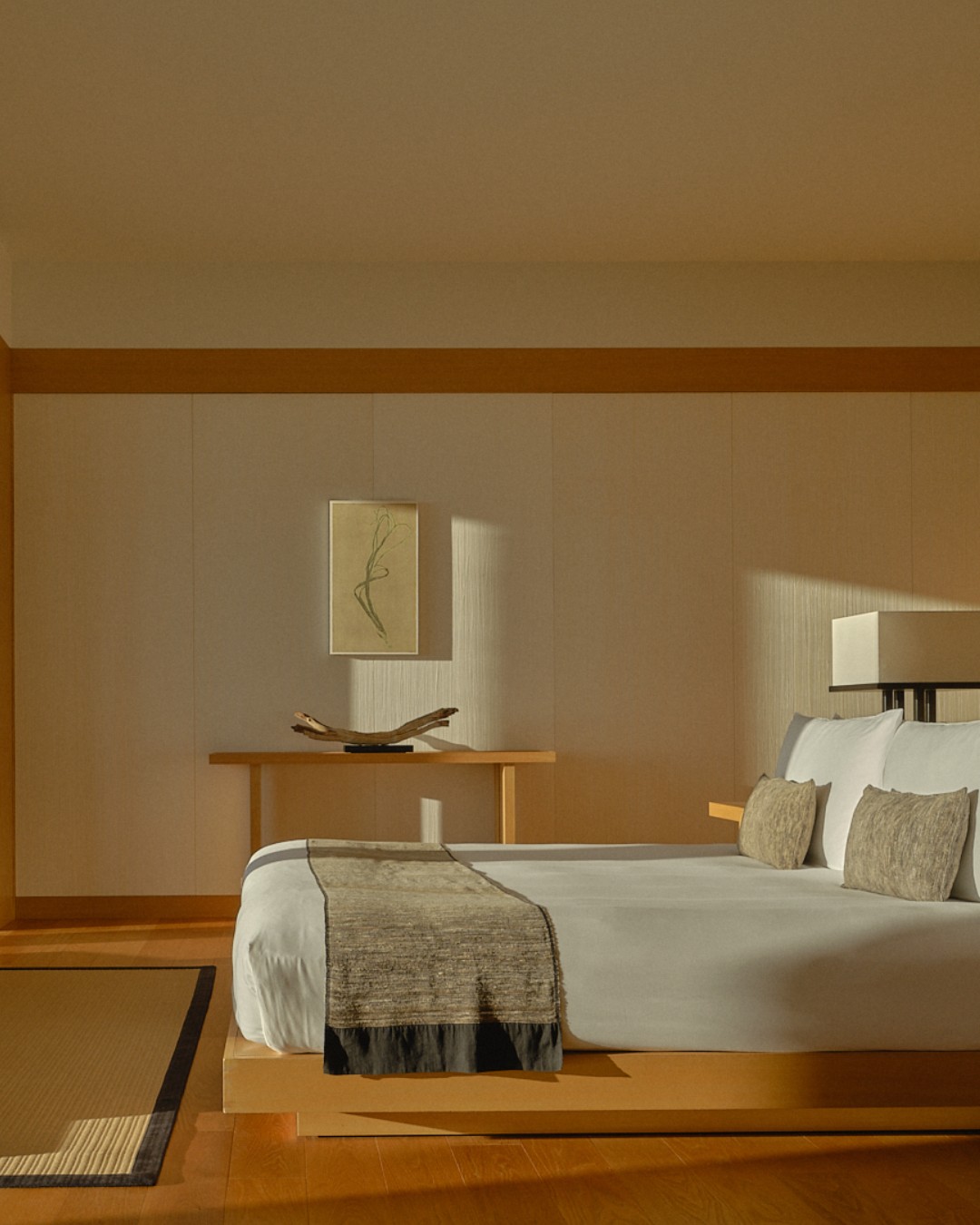
The Aman brand is synonymous with cutting-edge design and understated elegance. Its Tokyo property – its first in an urban setting – is no exception. Spread across the top six floors of a gleaming skyscraper in the Ōtemachi business district, it offers a modern interpretation of traditional Japanese dwellings (courtesy of the late architect Kerry Hill). The atrium-like lobby is bedecked in basalt stone and features a 30-metre-high ceiling that resembles the inside of a washi paper lantern. Zen-like rock gardens and a water feature with seasonal ikebana flower arrangements complete the scene. Italian restaurant Arva and an all-black lounge area fringe the lobby and offer meals with brilliant views. The sublime two-storey spa is Aman’s pride and joy, but the rooms are mini sanctuaries on their own: a celebration of Japanese minimalism, with blond-wood walls and granite ofuro bathtubs, positioned window-side to soak up the dramatic city views.
Bulgari Hotel Tokyo
Best for: A jewel-sprinkled taste of la dolce vita with a crafted Japanese edge in a sharp new skyscraper
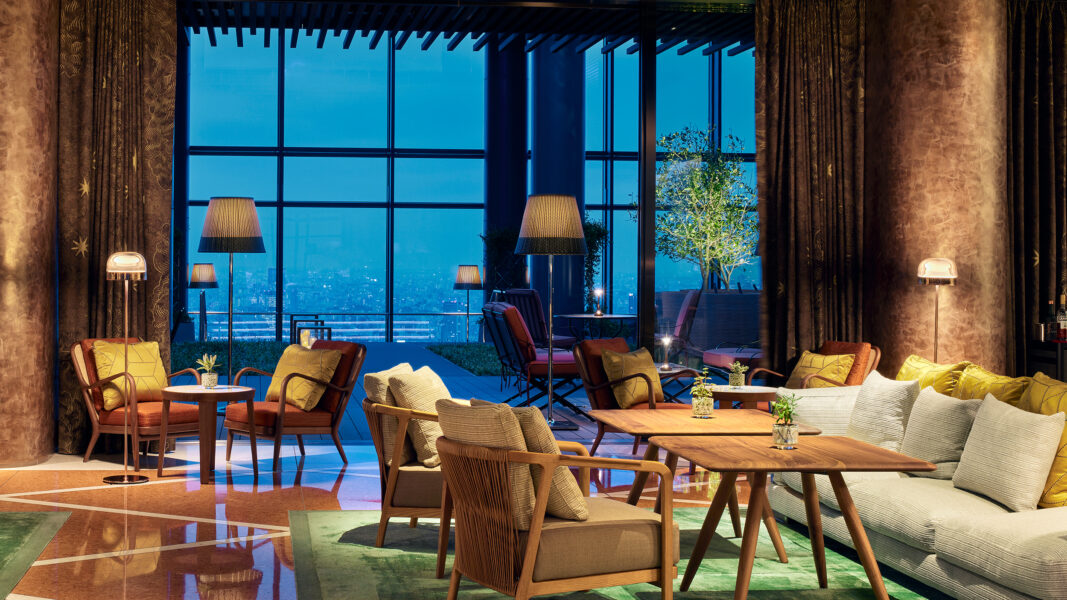
The decadent Bulgari Hotel Tokyo crowns the cloud-brushing apex of the new 45-storey Tokyo Midtown Yaesu tower, just opposite Tokyo Station. Against a backdrop of sultry black granite with pops of jewel tones, this place smoothly blends contemporary Italian design and Japanese craftsmanship with a glamorous sprinkling of Bulgari heritage, as dreamt up by Milan’s ACPV Architects Antonio Citterio Patricia Viel. Picture hand-blown Murano lights suspended from temple-like wood ceilings; traditional Japanese textile motifs recreated in Venetian mosaic tiling; and, adorning the walls, photographs of celebrities visiting the Roman flagship in the 1950s, vintage advertising and jewellery sketches. The 98 guest rooms balance Japanese touches (woven bamboo wall vases, modern sliding screens, gold-flecked bed throws by Kyoto kimono textile masters Hosoo) with warm saffron fabric headboards, natural elm wood, Flexform armchairs, Maxalto desks and sexy black granite bathrooms. Italian cuisine tapping into the minimalist essence of natural flavours is served up on Ginori plates at Il Ristorante – Niko Romito, a light-flooded 40th-floor space in layered shades of light orange textiles, copper net curtains and caramel leathers: while sushi is expertly prepared at the hinoki wood counter of the serene eight-seat Hoseki restaurant, overlooking a small Zen Garden. A pool glittering with gold and emerald green mosaic tiles boosts the glamour factor in the Spa; while the 45th-floor Bulgari Bar is a buzzy after-dark escape, with Venetian terrazzo, a curved bar, punchy cocktails and spacious outdoor terraces filled with lemon trees and sweet-smelling jasmine.