


A man’s house is his castle, as Sir Edward Coke said centuries ago. He couldn’t have imagined, however, that today, the notion of “home” would encompass the workplace, gym, dining and entertainment.
Our needs and the way we use personal spaces continue to change. Over the past several years, homes have undergone a meaningful, creative revolution. To respond to our new needs, architects and designers have developed original solutions that combine innovation with tradition. Their ambitious goal is to invent a new kind of living space that manages to be sustainable, relaxing and high quality all at the same time.
Cohousing
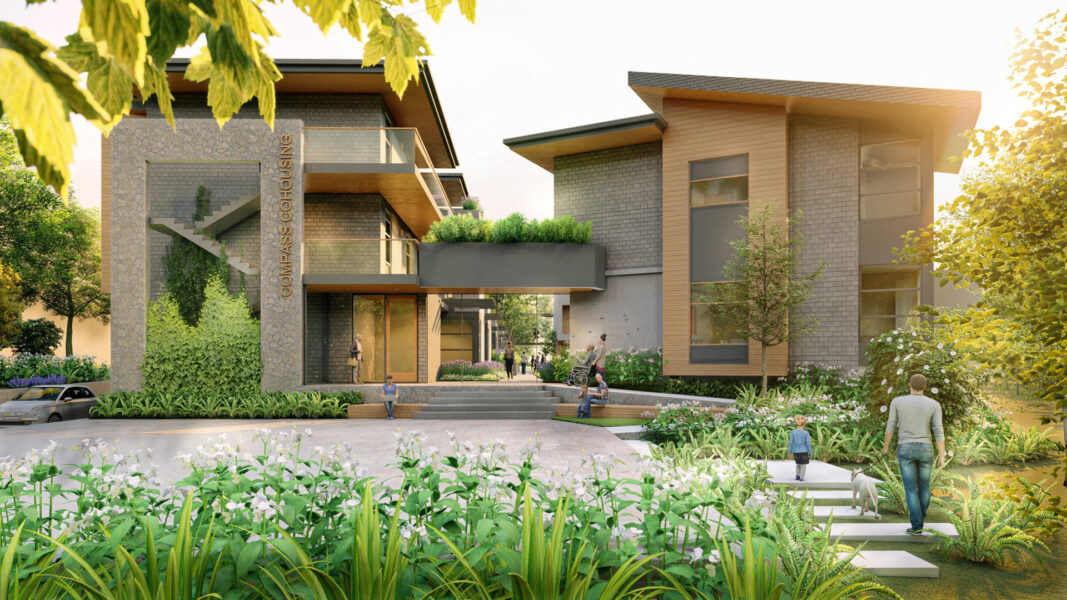
Forget the apartment you shared with roommates during your student years, with its single bathroom and the cleaning schedule no one followed. Shared housing today emphasizes a more affordable way of living that promotes greater wellbeing and a new sense of community. In urban areas, old buildings are being repurposed and new complexes with ample communal spaces are going up. Play areas for children, gyms, gardens, activity rooms, offices, laundry rooms and more: these shared areas can be developed to meet the specific needs of residents. The result is a more affordable home that’s also more sustainable and provides greater opportunities to develop meaningful social bonds.
Community Garden
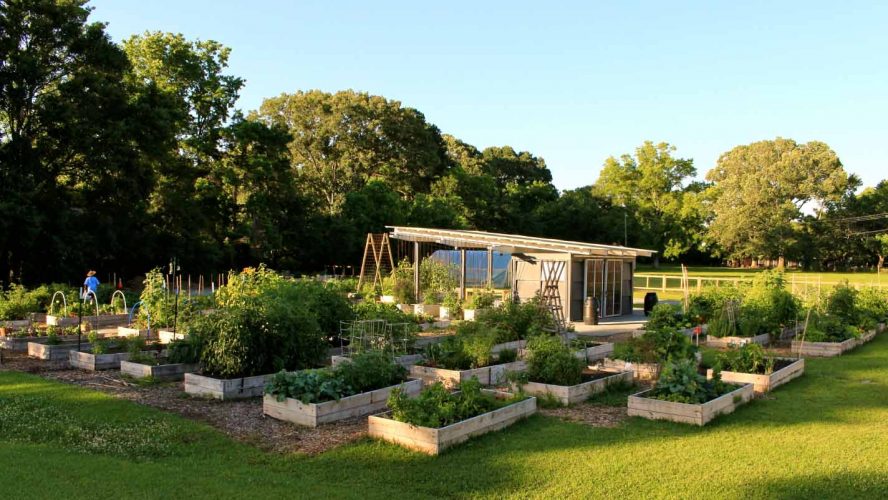
Green spaces can be shared, too. Those who want a garden but lack the necessary space can satisfy their green thumb impulses in community gardens, which are increasingly popular in large and smaller cities alike.
These are urban spaces designed for individual harvests, made available to interested citizens as long as they comply with a few common-sense rules for upkeep. Residents can tend to a garden on their own or take turns with groups of friends and enjoy seasonal fruits and vegetables. In addition to providing fresh air and the relaxation of gardening, community gardens and shared vegetable patches give residents the pleasure of eating their own produce, which is as local as can be and has a negligeable carbon footprint.
Indoor e outdoor
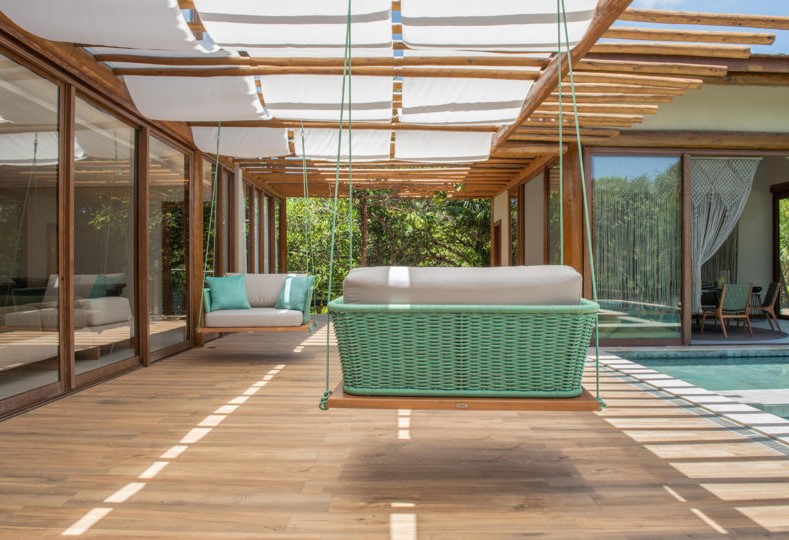
Indoor and outdoor spaces become hybrid as boundaries blur in new spaces, especially in cities with longer spring and summer seasons. Furnished terraces, with sofas and rugs, provide a welcome respite on hot days, whether for work or entertaining guests. The sunniest walls help create indoor greenhouses, while curtains serve as dividers, filtering light and air. Wood is a key material; warm tones and organic colors (green, blue and terracotta shades) are inspired by the rhythms of nature, making every space pleasant and inviting.
Upcycling
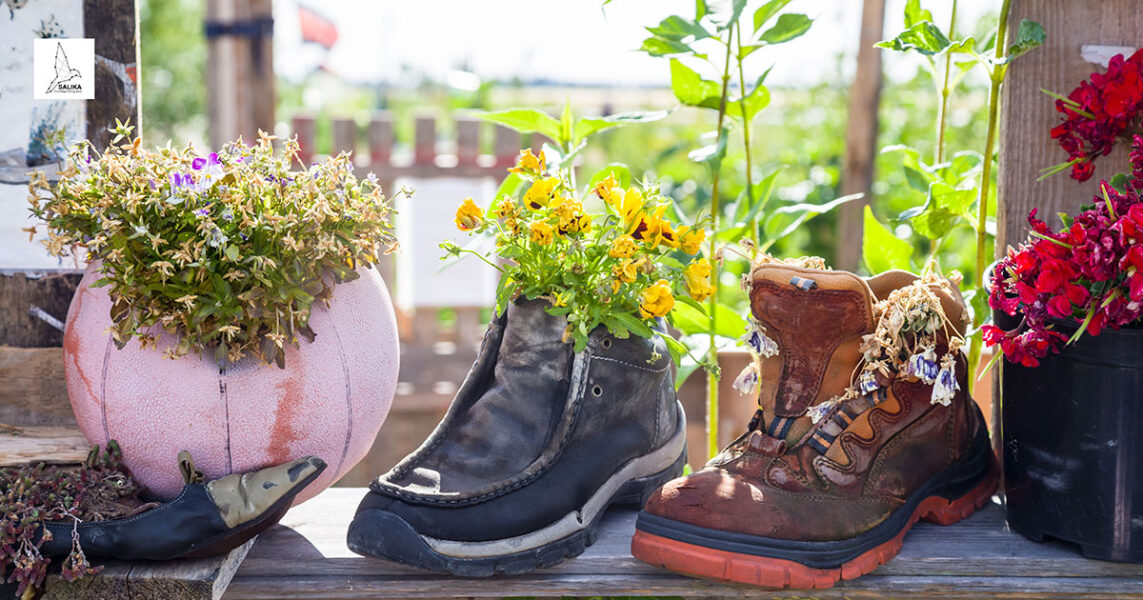
Beyond recycling old furniture and decorative items, upcycling breathes a second life into all manner of vintage furnishings, transforming their very function while highlighting their most attractive features. Industrial blocks of wood become tables, old stairs become clothing racks, textile scraps cover sofas and cushions, and creaky window frames become picture frames: imagination is the limit. Each readapted piece comes with a story and adds a bit of character to our personal living space.