


Donald Trump is once again dominating the headlines, and with his potential return to the White House looming, the world is bracing for yet another shake-up in global trade. However, Thailand—and much of Asia—is already feeling the heat, as fresh tariffs on imported goods have just been introduced.
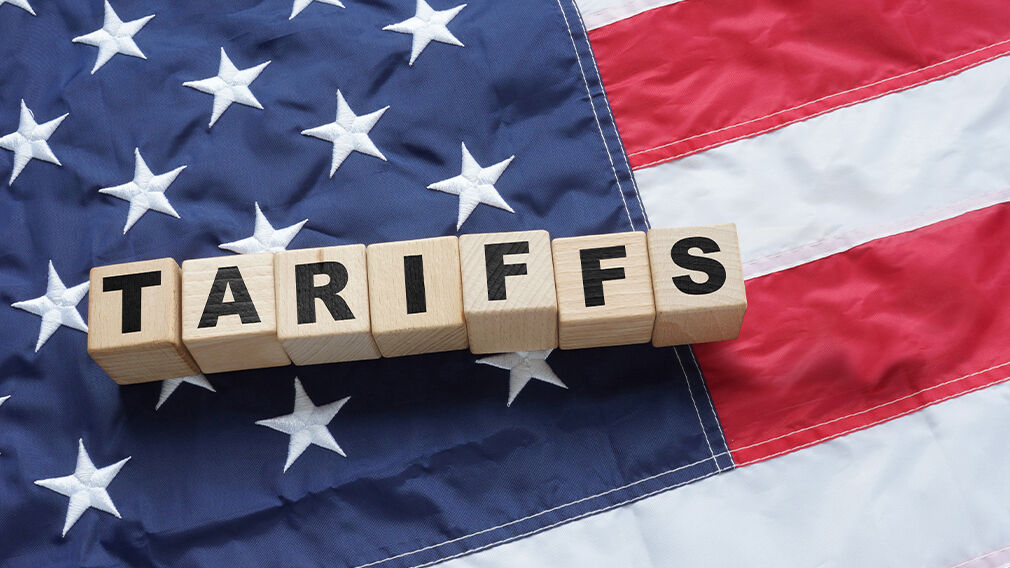
On April 2, 2025, the U.S. announced sweeping new trade measures, including a universal 10% tariff on all imports, with some countries facing even steeper rates. Among those on the receiving end is Thailand, now subject to a hefty 36% tariff on certain exports. For an economy with a strong export-driven backbone, this policy shift has sent ripples through key industries, from automotive and electronics to agriculture and manufacturing.
A Challenge or an Opportunity?
While the knee-jerk reaction might be one of concern, Thailand has proven its resilience time and again. The global supply chain disruptions of recent years have already pushed the country towards diversifying its trade partners and strengthening its position within ASEAN. These latest tariffs may accelerate that process, encouraging Thai businesses to further tap into emerging markets across Asia, the Middle East, and Europe.
Another potential upside? Companies looking to sidestep high U.S. import duties may begin shifting manufacturing operations to Thailand. With its established infrastructure, skilled workforce, and pro-business environment, the country could benefit from firms seeking an alternative to China. Foreign investment, particularly in industrial estates and special economic zones, could see an uptick as businesses look for tariff-friendly production hubs.
What This Means for Thai Real Estate and Investment
Trade policy might seem distant from the real estate sector, but global economic shifts always have a trickle-down effect. A surge in manufacturing and logistics activity could lead to increased demand for industrial land, warehouse spaces, and commercial properties. In cities like Bangkok, Chonburi, and the Eastern Economic Corridor (EEC), this could translate into higher property values and renewed interest from foreign investors.
On the flip side, a prolonged trade war or economic uncertainty in the U.S. might slow down American investment in Thailand’s high-end property market. However, as the world pivots eastward, demand from Chinese, Middle Eastern, and European buyers is expected to pick up the slack, reinforcing Thailand’s position as a premier real estate destination.
A Diplomatic Balancing Act
Thailand has always walked a fine line in international relations, maintaining strong ties with both Western and Eastern powers. While Washington’s latest trade policies may seem aggressive, Thailand’s diplomatic and economic adaptability will play a crucial role in navigating these shifts. Strengthening regional trade agreements, such as the RCEP (Regional Comprehensive Economic Partnership), could mitigate some of the damage, ensuring Thailand remains a key player in global commerce.
Looking Ahead
As Trump prepares for a potential return to the White House, his “America First” policies could once again redefine global trade. For Thailand, the challenge will be to stay competitive in an increasingly protectionist world. But with the right strategy—leveraging regional trade, attracting new foreign investments, and capitalizing on its prime geographic position—Thailand has the potential not just to survive these changes but to thrive in the new economic landscape.
So, while the latest tariffs may be a stumbling block, they could also serve as a catalyst for growth, pushing Thailand further into the ranks of Asia’s economic powerhouses. One thing is certain: in the ever-evolving game of global trade, adaptability is the name of the game.