


The end of January is upon us, and with that comes celebrations for Chinese New Year 2023 and Lunar New Year 2023. Also known as the Spring Festival, this is the start of the new lunar calendar. In the Chinese zodiac, this year is the Year of the Rabbit, which represents not only a long and lucky life but also symbolises pureness, auspiciousness and peace, while in Vietnam, the cat takes the place of the rabbit.
When Is Chinese New Year 2023?
Chinese New Year 2023 will fall on Sunday, January 22nd, 2023.
The date of the Chinese New Year is determined by the Chinese lunar calendar. The date changes every year but is always somewhere in the period from January 21st to February 20th.
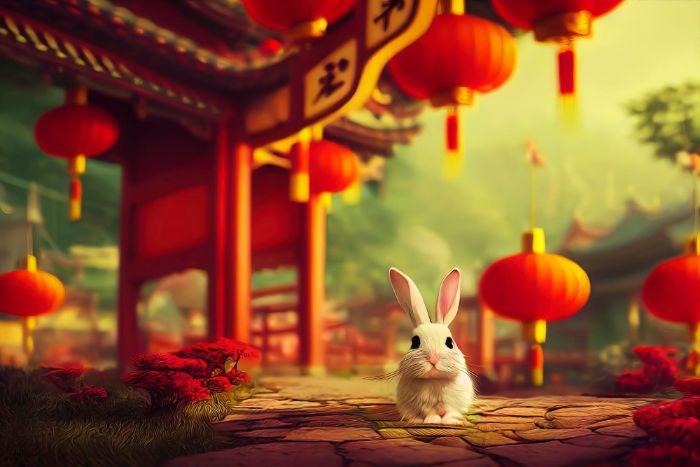
Each Chinese year is associated with an animal sign according to the Chinese zodiac cycle. 2023 is the year of the Rabbit, specifically, Water Rabbit. The sign of Rabbit is a symbol of longevity, peace, and prosperity in Chinese culture. 2023 is predicted to be a year of hope.
The celebration lasts for 15/16 days, with the first day being the most important one. In 2023, the preparations for the new year began on 14 January. The preparations will continue till New Year’s Eve. On 22 January, the Spring festival will officially begin and will go on till 1 February. The festivities end with the Lantern festival, preparations for which begins on 2 February. The Lantern Festival is then held on 5 February.
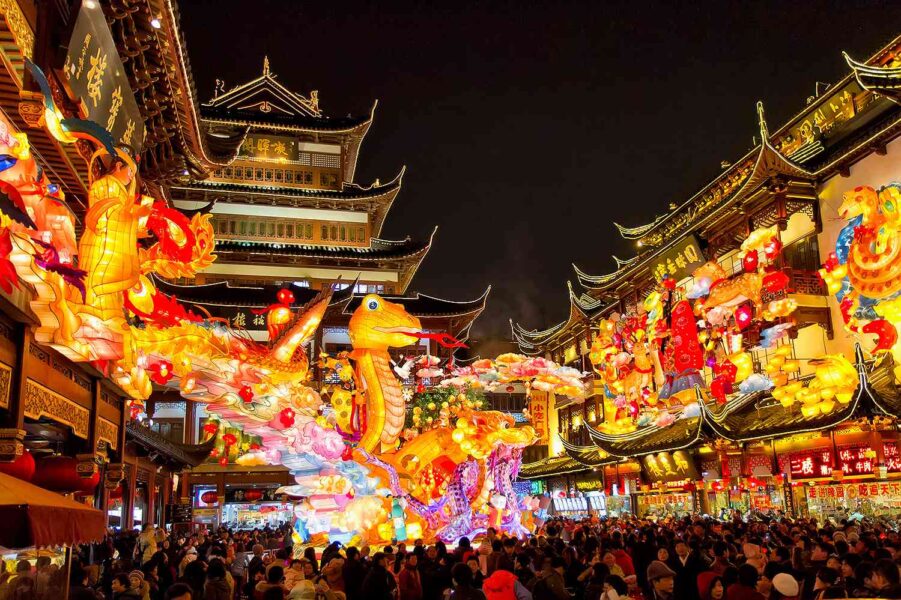
This is a time for families to come together and celebrate. People typically return to their hometowns to be with loved ones. They decorate their houses with red lanterns and couplets to bring good luck and ward off evil spirits. The colour red is considered lucky in Chinese culture, so it’s common to see red decorations everywhere during the New Year.
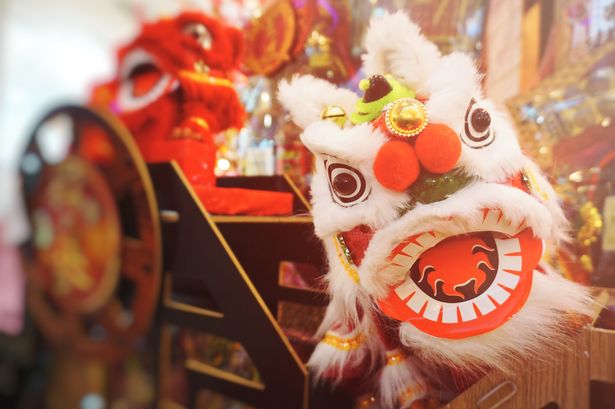
The Chinese New Year is also a time for fireworks, lion and dragon dances, and other cultural performances. These are meant to scare away evil spirits and bring good luck to the community.
Folklore – The Legend of Monster Nian
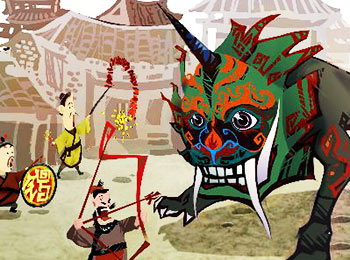
There are countless folktales attached to Lunar New Year, but the myth of “Nian” stands out as the most iconic and fun.
Legend has it Nian was a ferocious underwater beast with sharp teeth and horns. Every Lunar New Year’s Eve, it crawled onto the land and attacked a nearby village.
On one such occasion, as the villagers rushed into hiding, a mysterious old man showed up and insisted on staying in the village despite being warned of impending doom.
To the villagers’ surprise, the old man and the village survived utterly unscathed.
The man claimed to have scared Nian away by hanging red banners on the door, lighting firecrackers and wearing red clothes.
This is how wearing the fiery color – right down to undergarments – along with hanging red banners with auspicious phrases and lighting firecrackers or fireworks became Lunar New Year traditions, all of which are still followed today.
Traditions
Regional customs and traditions vary widely but share the same theme: seeing out the old year and welcoming in the luck and prosperity of a new year. The main Chinese New Year activities include
- putting up decorations,
- offering sacrifices to ancestors,
- eating reunion dinner with family on New Year’s Eve,
- giving red envelopes and other gifts,
- firecrackers and fireworks, and
- watching lion and dragon dances.
People give their houses a thorough cleaning before the Spring Festival, which symbolizes sweeping away the bad luck of the preceding year and making their homes ready to receive good luck.
Food
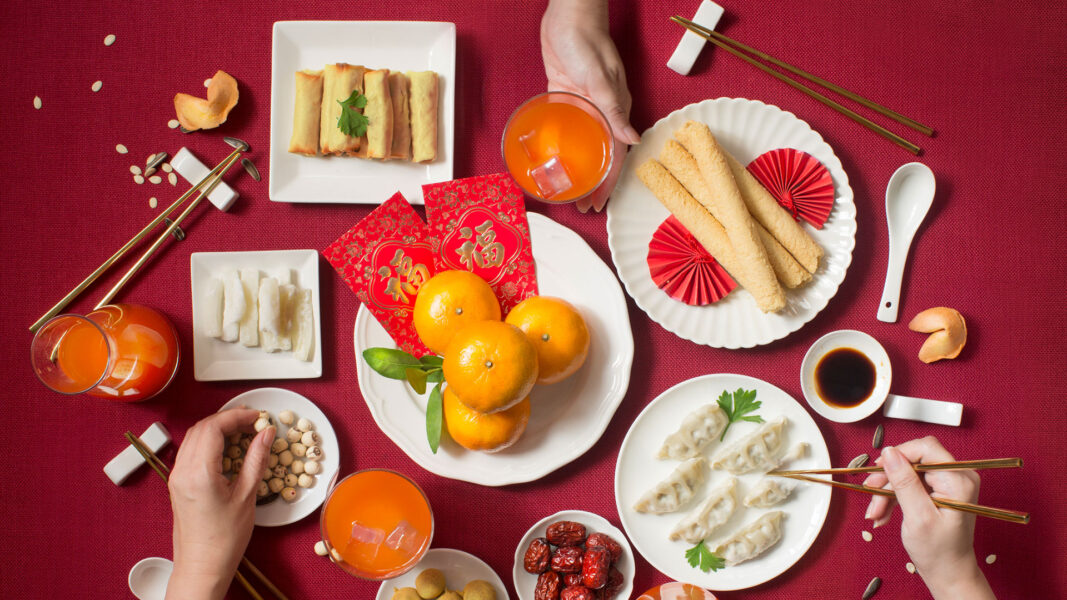
Food is always a crucial part of any occasion. Many dishes traditionally have unique importance during this festive period. People eat long noodles because it symbolises long life. Families prepare round or crescent-shaped dumplings stuffed with cabbage or pork, which are said to bring good fortune. Many people place coins inside dumplings for luck. Wine is a popular beverage during this time. Many people consume a type of white wine called nianjiu, which means “year alcohol,” during the celebrations.
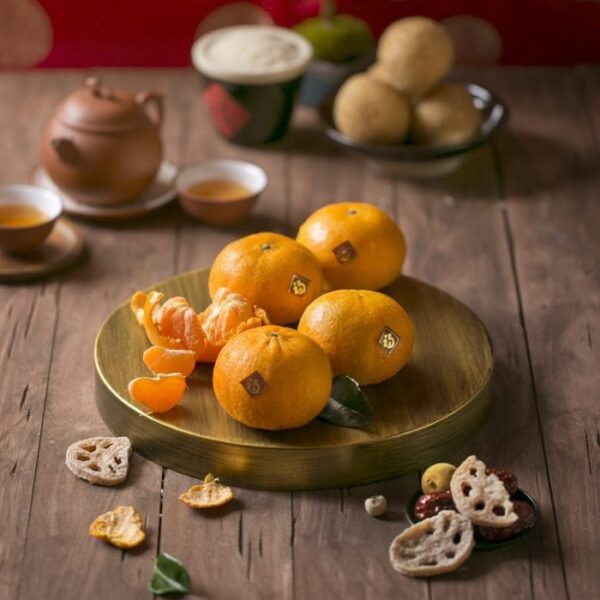
Chinese New Year (Lunar New Year) is a time for families to be together. Chinese New Year’s Eve is the most important time. Wherever they are, people are expected to be home to celebrate the festival with their families. The Chinese New Year’s Eve dinner is called ‘reunion dinner‘. Big families of several generations sit around round tables and enjoy the food and time together.