


AI-driven vehicles, expanded electrification, and a streamlined global product strategy will shape Nissan’s future mobility
YOKOHAMA, Japan — Nissan Motor Co., Ltd. has announced its long-term vision, “Mobility Intelligence for Everyday Life,” outlining a customer-centric strategy that integrates intelligent mobility seamlessly into daily life. The vision places artificial intelligence (AI), software-defined vehicles, and electrification at the core of Nissan’s future innovation, while reshaping its global product lineup and market approach.
Central to the strategy is Nissan’s development of AI-defined vehicles (AIDV) — cars powered by artificial intelligence and software as their primary control systems. Through this approach, Nissan aims to deliver safer, more intuitive, and more connected driving experiences while expanding electrification options to meet the diverse needs of customers worldwide.
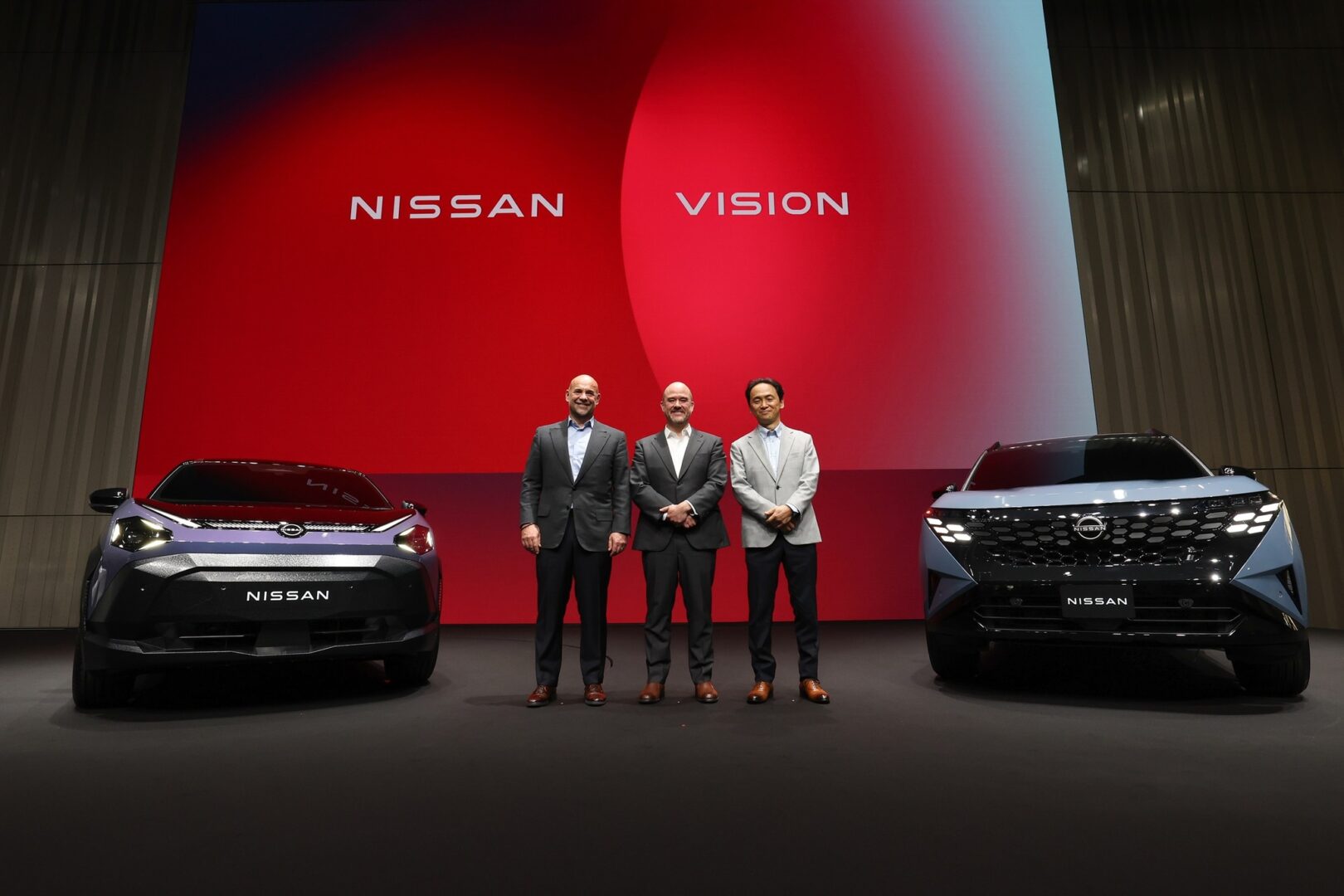
Ivan Espinosa, President and CEO of Nissan, said: “This is the right moment to define Nissan’s long-term vision as we look beyond the Re:Nissan transformation plan and set a clear direction for the future. Our focus is on customer experience. By advancing intelligent driving technologies, we will deliver vehicles that are safer, easier to use, and more accessible while offering greater value and a more rewarding ownership experience.”
The announcement comes as Nissan continues to execute the final phase of its Re:Nissan recovery plan, which has focused on improving cost competitiveness, optimizing production capacity, and strengthening the company’s product pipeline.
AI-Powered Innovation and Electrified Mobility
Artificial intelligence will play a central role in Nissan’s future technologies. The company’s Nissan AIDV platform combines two key technologies: Nissan AI Drive, which enhances autonomous driving capabilities, and Nissan AI Partner, an intelligent digital assistant designed to integrate vehicles more naturally into everyday life.
Building on real-world testing and advanced driver-assistance systems, Nissan plans to deploy Nissan AI Drive technology in more than 90% of its models in the long term.
The upcoming next-generation Nissan Elgrand, scheduled for launch in summer 2026, will introduce a new version of ProPILOT with expanded autonomous driving capabilities targeted by fiscal year 2027.
Electrification will continue to expand alongside AI development. Nissan’s e-POWER technology will play a key role in the transition, delivering EV-like performance through an electric motor drive system without requiring external charging.
In addition to e-POWER, Nissan plans to broaden its electrified powertrain lineup globally, offering a wider range of options including hybrid (HEV), plug-in hybrid (PHEV), and range-extender electric vehicle (REEV) technologies. These systems will complement fully electric vehicles while meeting the needs of different markets and driving conditions.

Streamlined Product Lineup
As part of its long-term strategy, Nissan will streamline its global portfolio from 56 models to 45, focusing investments on models with strong growth potential while discontinuing underperforming products.
The new product strategy organizes vehicles into four key categories:
- Iconic models, which embody Nissan’s innovation and emotional appeal
- Core models, which drive global sales volume
- Growth models, aimed at emerging opportunities
- Partner models, developed through collaborations to expand market coverage
At the same time, Nissan plans to increase the number of powertrain options available within individual models, giving customers greater flexibility while improving efficiency and sales per model.
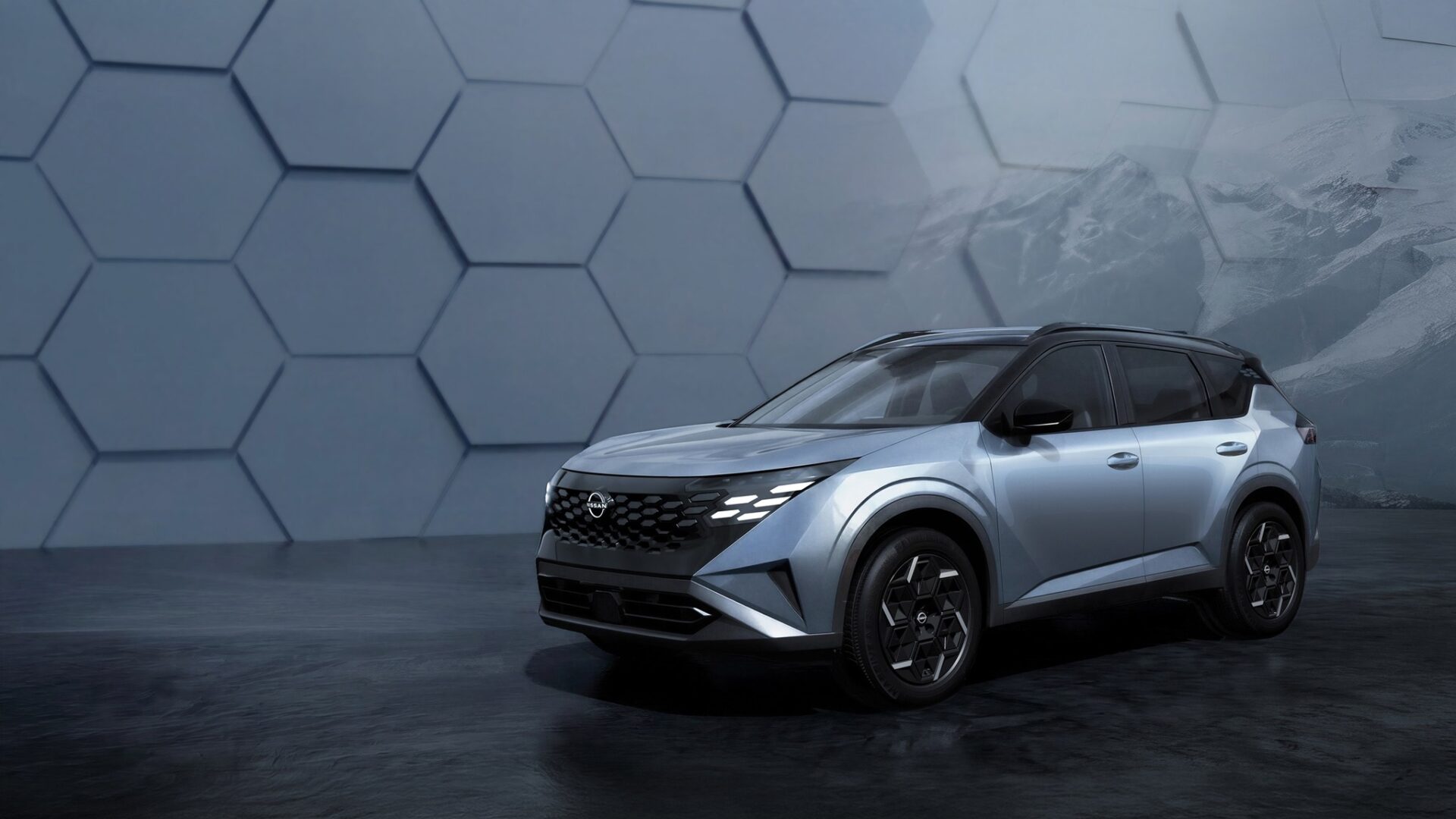
The company also previewed several vehicles representing the next phase of its product strategy. These include the next-generation X-Trail / Rogue e-POWER, which combines Nissan’s electric motor drive system with the convenience of not requiring external charging, and the all-new JUKE EV, a fully electric model designed for the European market.
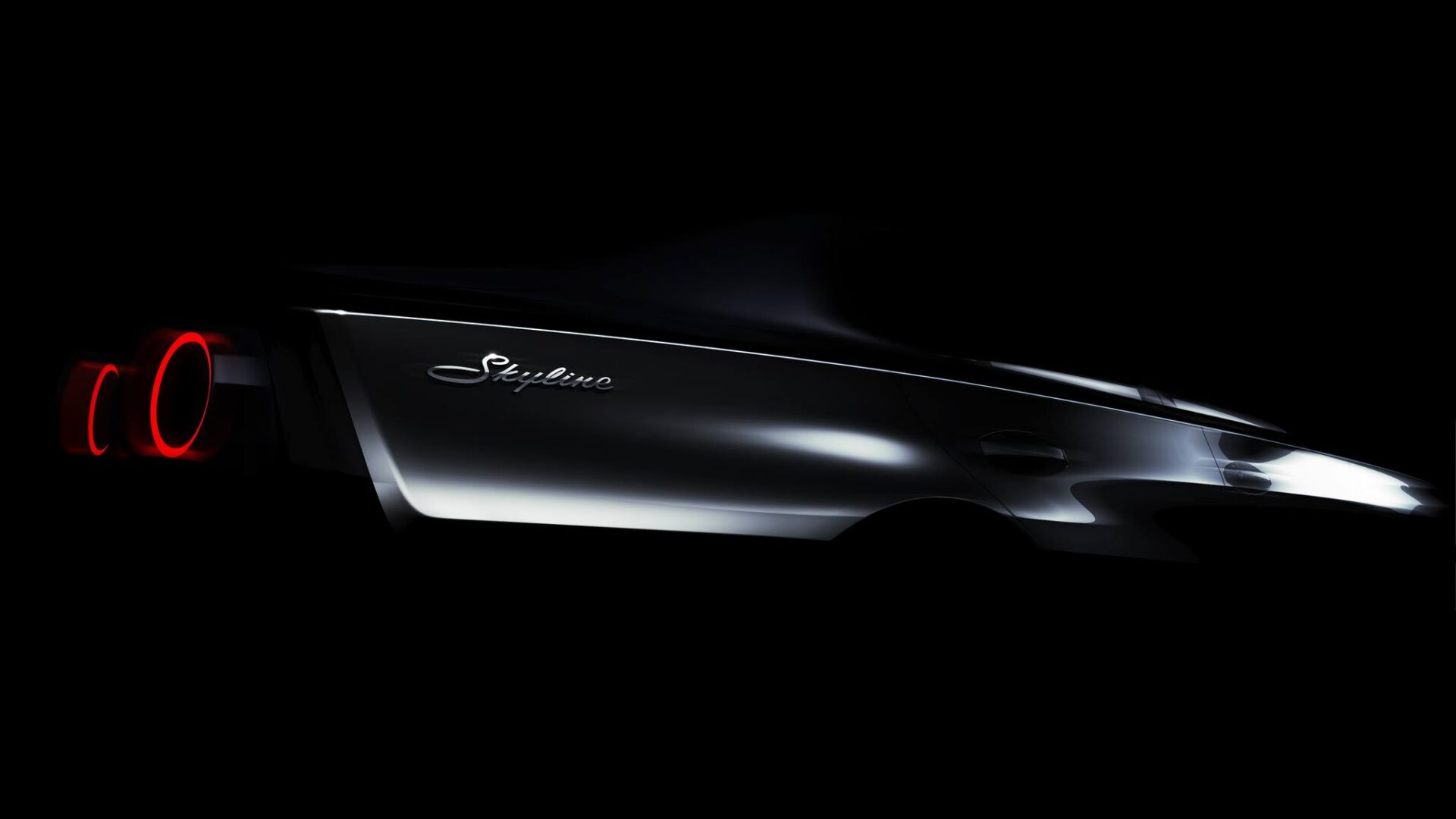
Additional models highlighted include the Xterra, a rugged SUV aimed at the U.S. market with body-on-frame construction, and the Skyline, a performance-focused model for Japan emphasizing driver engagement.
INFINITI Brand Renewal
Nissan’s premium brand INFINITI will also play an important role in the company’s future product strategy. The brand will undergo a renewal beginning with the all-new 2027 QX65 SUV, followed by four additional models including a midsize hybrid SUV, a performance sedan powered by a V6 engine, and two body-on-frame hybrid SUVs.
A New Industrial Model
To improve efficiency and speed development, Nissan will adopt an architecture-driven development approach under its Nissan Product Family strategy. Rather than designing each vehicle independently, future models will share common platforms, powertrains, and software architectures.
The company will focus development around three major product families, which are expected to account for more than 80% of global sales. This strategy aims to increase sales per model by 30% while accelerating the rollout of new technologies and improving cost control.
Focus on Key Global Markets
Nissan’s global business strategy will center on three major markets: Japan, the United States, and China. These markets will serve both as performance pillars and as drivers of global competitiveness.
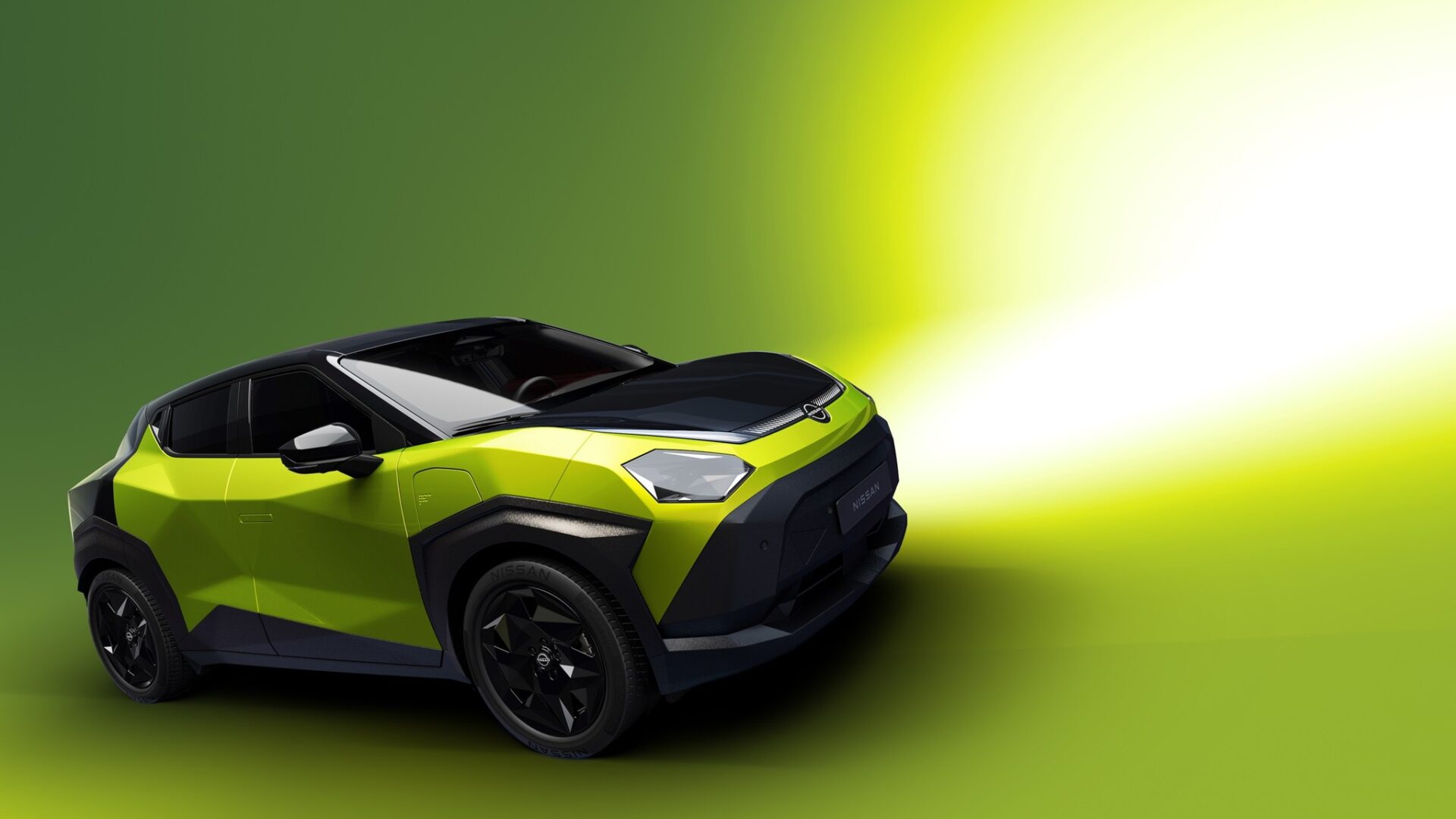
In Japan, Nissan will introduce advanced technologies such as next-generation ProPILOT systems and new mobility services. Beginning in fiscal year 2028, the company will launch a new compact vehicle series aimed at expanding its lineup and strengthening engagement with younger customers.
In the United States, Nissan aims to restore annual sales to one million units by fiscal year 2030. Key products will include the new Rogue e-POWER and a refreshed lineup of SUVs, including the return of Xterra.
In China, Nissan plans to strengthen its New Energy Vehicle (NEV) lineup while expanding exports to global markets. The company aims to reach one million annual sales in China by fiscal year 2030, with models such as N7 and Frontier Pro serving both domestic and international markets.
Beyond these core regions, markets including Mexico, the Middle East, Europe, India, and Africa will continue to support Nissan’s global growth and industrial strategy.
Espinosa concluded:
“As we move toward recovery, Nissan must demonstrate an unwavering commitment to customers while embracing the opportunities created by AI and electrification. By accelerating innovation and delivering intelligent mobility, we aim to achieve sustainable growth in the global market.”
Nissan will provide further updates on the progress of its Re:Nissan recovery plan during its annual financial results announcement in May.