
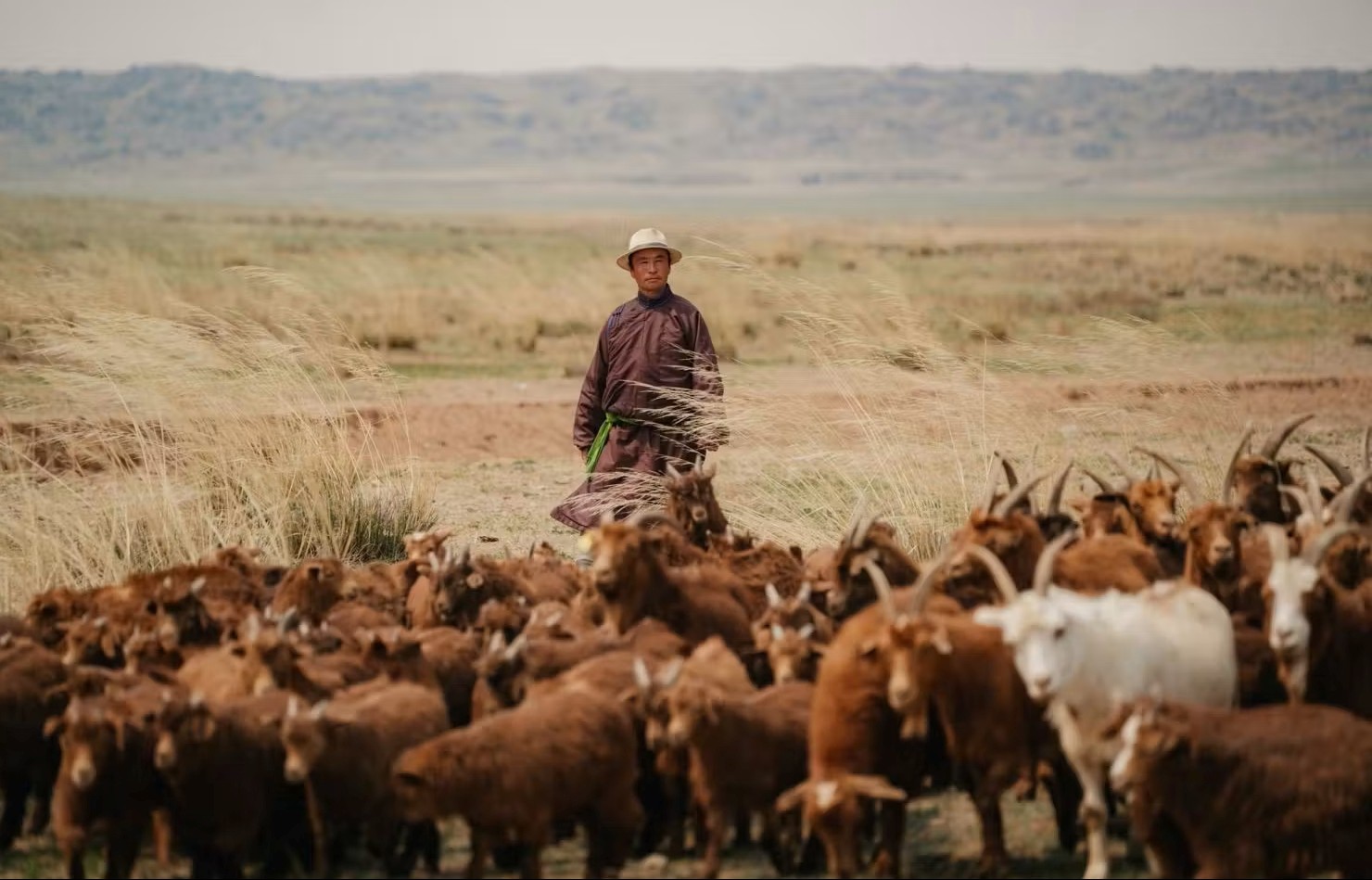

On the occasion of COP17, LVMH reaffirmed its commitments to land restoration and launches a new initiative in Chad with AFD and the CBA
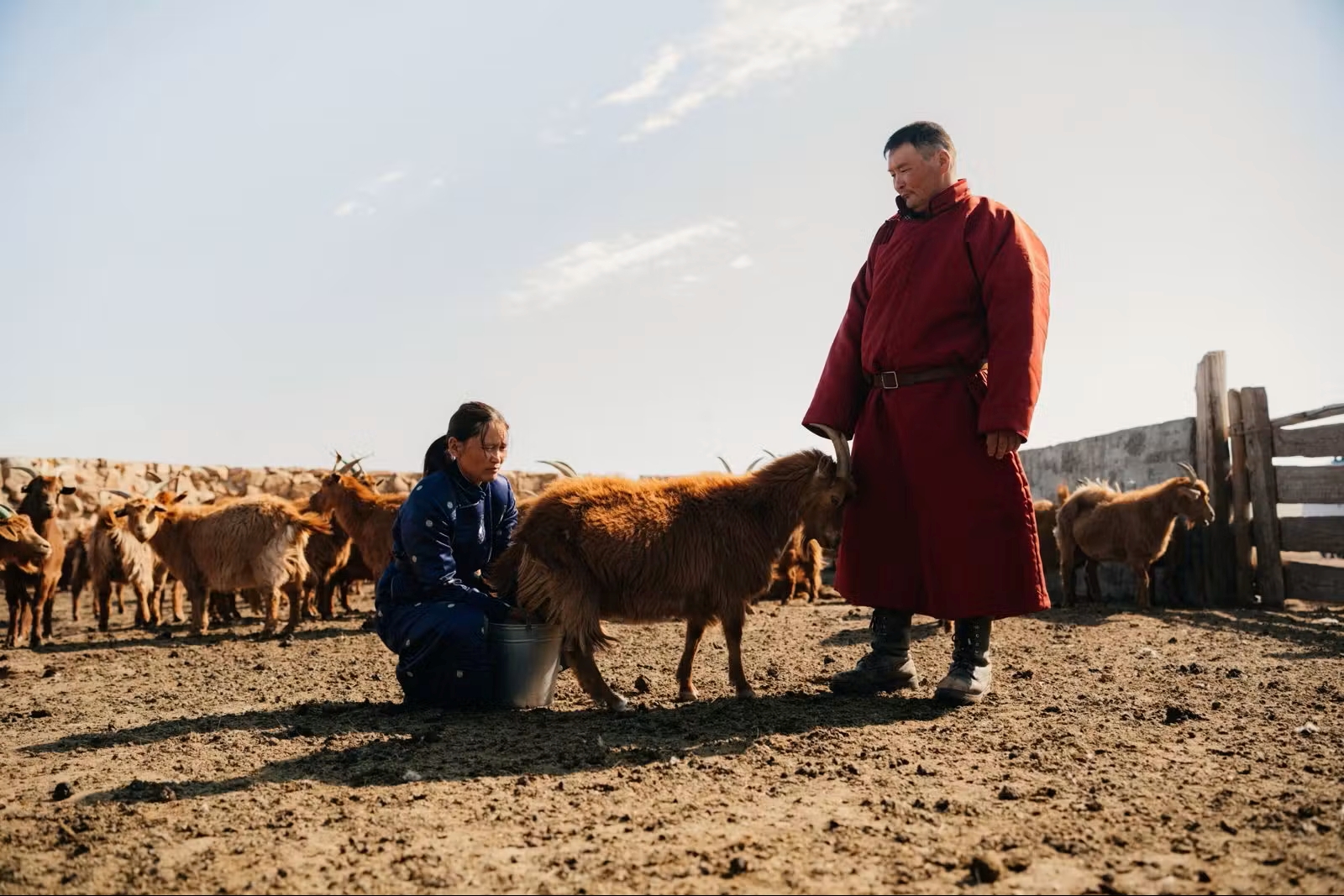
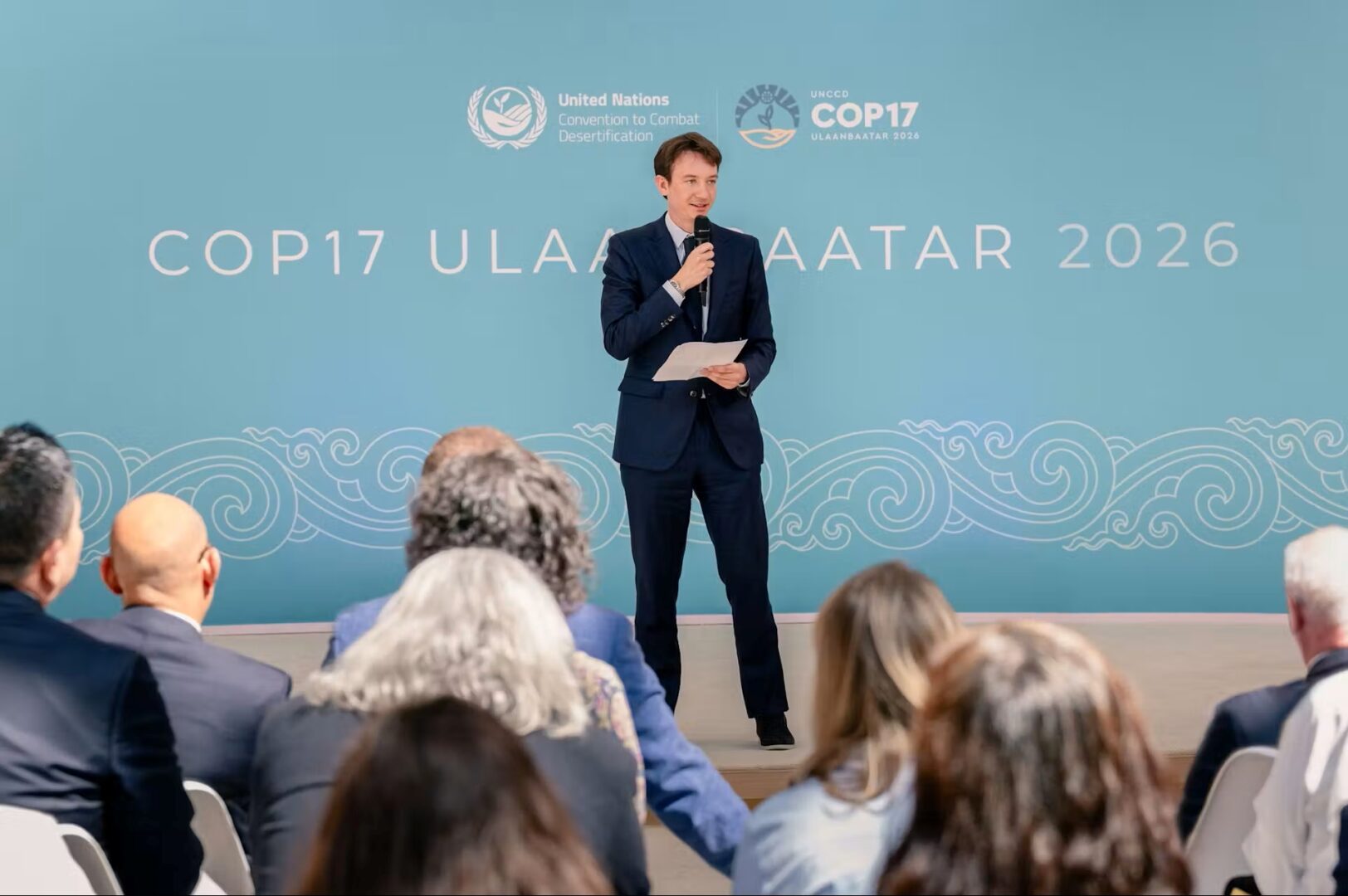
On the occasion of the 17th session of the Conference of the Parties to the United Nations Convention to Combat Desertification in Mongolia (UNCCD COP17), LVMH reaffirmed its commitment to more sustainable, resilient and traceable natural supply chains, with the participation of Frédéric Arnault, Chief Executive Officer of Loro Piana, opened the UNCCD Business4Land Day. Hélène Valade, LVMH Environmental Development Director, also took part in discussions on the regulatory challenges associated with the sustainable transformation of the fashion industry.
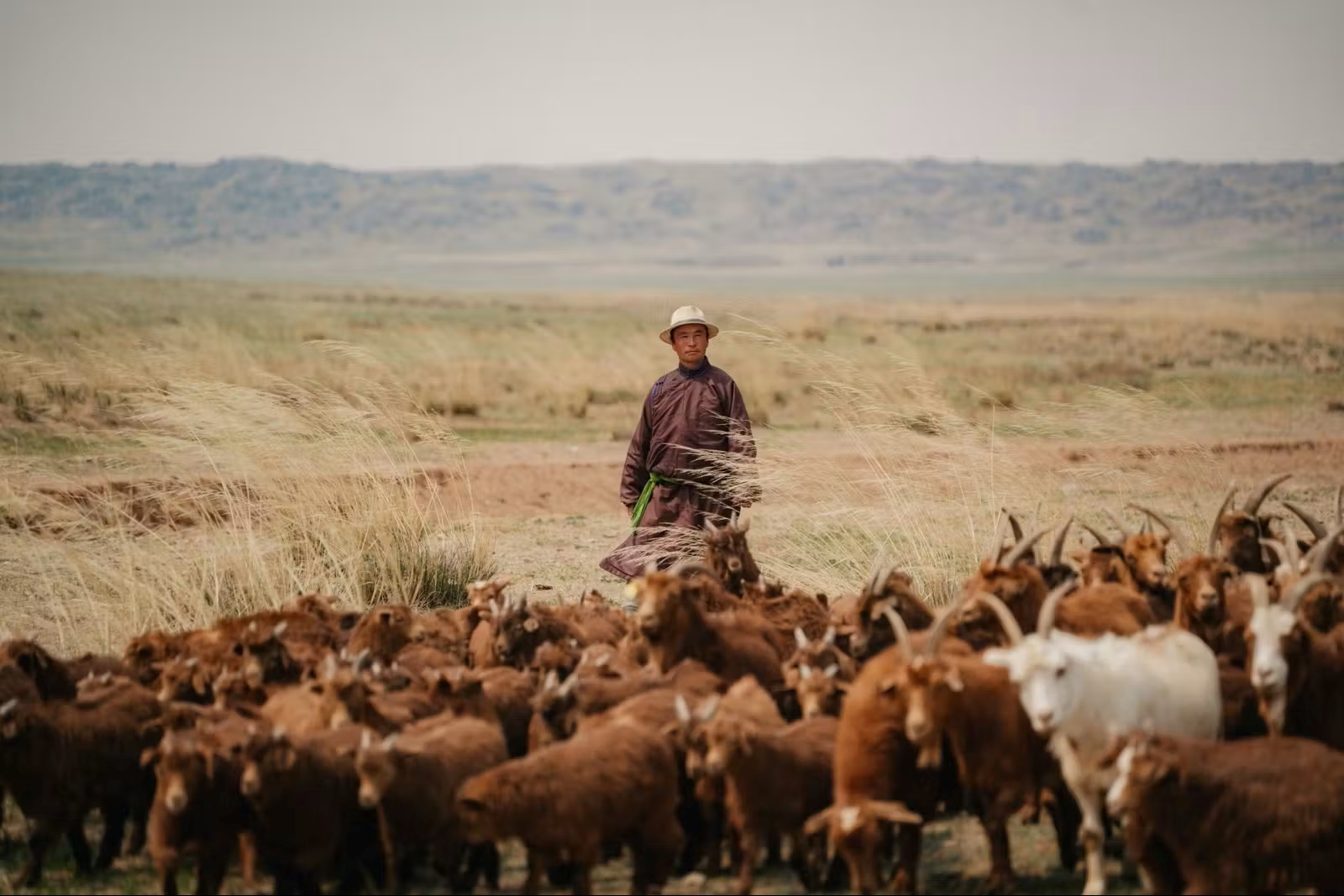
This presence in Mongolia reflects the Group’s and Loro Piana’s long-term commitment, as a long-standing actor in the country’s cashmere sector. The Maison has notably implemented Resilient Threads, a five-year programme launched in 2025 to strengthen the resilience of the cashmere value chain, with its first results being presented at COP17.
Designed according to a holistic approach based on the One Health concept, which is central to LVMH’s environmental strategy, Resilient Threads combines ecosystem conservation, support for herder communities and the long-term sustainability of the cashmere sector. It reflects the Group’s ambition to achieve triple environmental, social and economic performance throughout its supply chains.
On the occasion of COP17, LVMH renewed its support for the UNCCD’s Business4Land programme and announced a new initiative to promote regenerative cotton cultivation in Chad, in partnership with the French Development Agency (AFD) and the Circular Bioeconomy Alliance (CBA), founded in 2020 by His Majesty King Charles III, then Prince of Wales, and of which LVMH is a founding member.
Projects in Mongolia to support the development of a responsible cashmere sector
LVMH and Loro Piana’s commitment in Mongolia is rooted in a long-term approach. For the past ten years, the Group has been supporting the Sustainable Fibre Alliance (SFA) in developing certification standards for the cashmere sector in Mongolia and China.
During COP17, LVMH took part in the SFA Herder Sustainability Awards 2026, which recognised and showcased the most committed herders. The Group is notably sponsoring the “Best Cooperative for Land Management Award” category.
Loro Piana and LVMH are also locally engaged through Resilient Threads, a five-year programme launched in 2025. Based on a One Health approach, the project supports cashmere cooperatives and herder communities in Mongolia by combining ecosystem resilience, improved livelihoods and the long-term sustainability of the sector.
Following its first year of implementation, the programme’s initial results were presented at COP17. The project embodies an integrated approach to sustainability in which the health of ecosystems, animals and communities is closely linked to the economic resilience of the value chain.
This approach illustrates LVMH’s ambition to make its strategic supply chains drivers of environmental and social transformation, while also contributing to their long-term economic sustainability.
LVMH at COP17: a major commitment alongside UNCCD Business4Land
LVMH’s presence at COP17 formed part of the Group’s broader commitment to land restoration, ecosystem resilience and the sustainable transformation of natural supply chains.
This commitment builds on actions already being implemented at scale as part of LIFE 360, the Group’s environmental roadmap. In 2025, 4.3 million hectares of wildlife and plant habitats were preserved or regenerated by LVMH and its Maisons, demonstrating the acceleration of the Group’s actions in support of biodiversity and ecosystem regeneration.
LVMH is also a signatory to the UNCCD’s corporate Business4Land programme, which mobilised companies around concrete commitments to the sustainable management of land and water.
The Group is also a member of the Business4Land Champions’ Council, a network of experts and ambassadors for the programme. LVMH also coordinated the Business4Land French Hub, the programme’s first national hub, confirming its ambition to bring economic stakeholders together around practical solutions.
This commitment was reflected in several key moments during COP17. Frédéric Arnault opened Business4Land Day on 24 August, while Hélène Valade, LVMH Environmental Development Director, took part in several discussions focusing in particular on financing land restoration, Resilient Threads, and the sustainable transformation of the fashion industry.
In Chad, LVMH strengthens its support for regenerative cotton
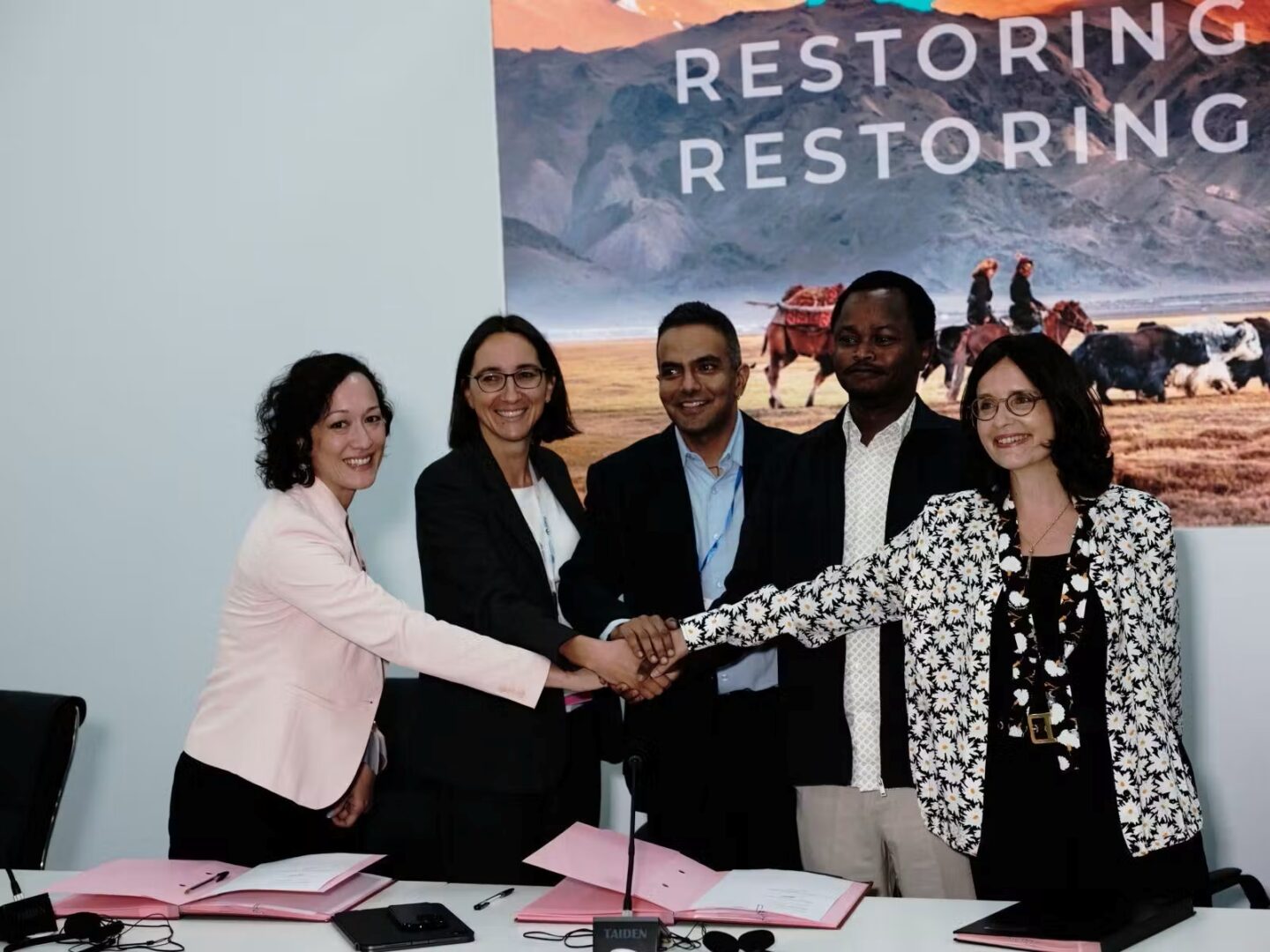
On the occasion of COP17, LVMH has took a further step in its commitment to regenerative agriculture with a new initiative dedicated to the cotton sector in Chad, alongside the French Development Agency (AFD) and the Circular Bioeconomy Alliance (CBA).
This initiative builds on an initial pilot programme carried out between 2022 and 2024 by LVMH and the CBA, which tested regenerative agroforestry practices applied to cotton cultivation and supported farmers in implementing them.
The new phase aims to accelerate the rollout of agroecological and regenerative practices, strengthen the resilience of farms and contribute to more sustainable land management. The CBA would provide scientific and technical expertise, while LVMH is committed to supporting the integration of this cotton into its supply chains, helping to create sustainable market opportunities for the sector.
This cooperation illustrated LVMH’s approach: acting as close as possible to its strategic raw materials in order to combine ecosystem regeneration, support for local communities and the long-term economic sustainability of supply chains.
“We are grateful for LVMH’s support for our work on cotton. It will enable us to share practical lessons and research findings on landscape regeneration, strengthening livelihoods and opening up new market opportunities. These insights will be valuable in informing public policy, programme design and investment decisions in regions such as Chad.” Marc Palahí, CEO of the Circular Bioeconomy Alliance.
“LVMH has committed to preserving or regenerating 5 million hectares by 2030, particularly within its supply chains. The Group is proud to work with the Circular Bioeconomy Alliance and to continue supporting regenerative cotton production in Chad, notably through farmer training and technical assistance. A successful first phase, conducted between 2022 and 2024, enabled us to identify best practices. This new stage, with the support of the CBA and local partners, will aim to share them with as many farmers as possible.” Hélène Valade, LVMH Environment Development Director.
More sustainable and resilient supply chains worldwide
Around the world, LVMH and its Maisons are implementing projects aimed at preserving and regenerating ecosystems while supporting local communities and stakeholders.
The initiatives presented at COP17 are part of this global momentum, driven by LIFE 360, the Group’s environmental roadmap, with the ambition of reconciling the preservation of natural resources with the long-term sustainability of its supply chains.