


Why Global Uncertainty Is Redirecting Property Attention to the Kingdom’s Resort Markets
As geopolitical instability in the Middle East continues to influence migration and investment decisions, Thailand is beginning to see a subtle yet meaningful shift in overseas residential demand. Across the country’s most established coastal destinations from Phuket and Pattaya to Koh Chang and the Eastern Seaboard property consultants and developers are reporting a rise in enquiries from expatriates based in the Gulf region, alongside buyers from countries directly affected by conflict.
For Thailand’s resort property sector, the change is less about speculative capital and more about immediate lifestyle migration.
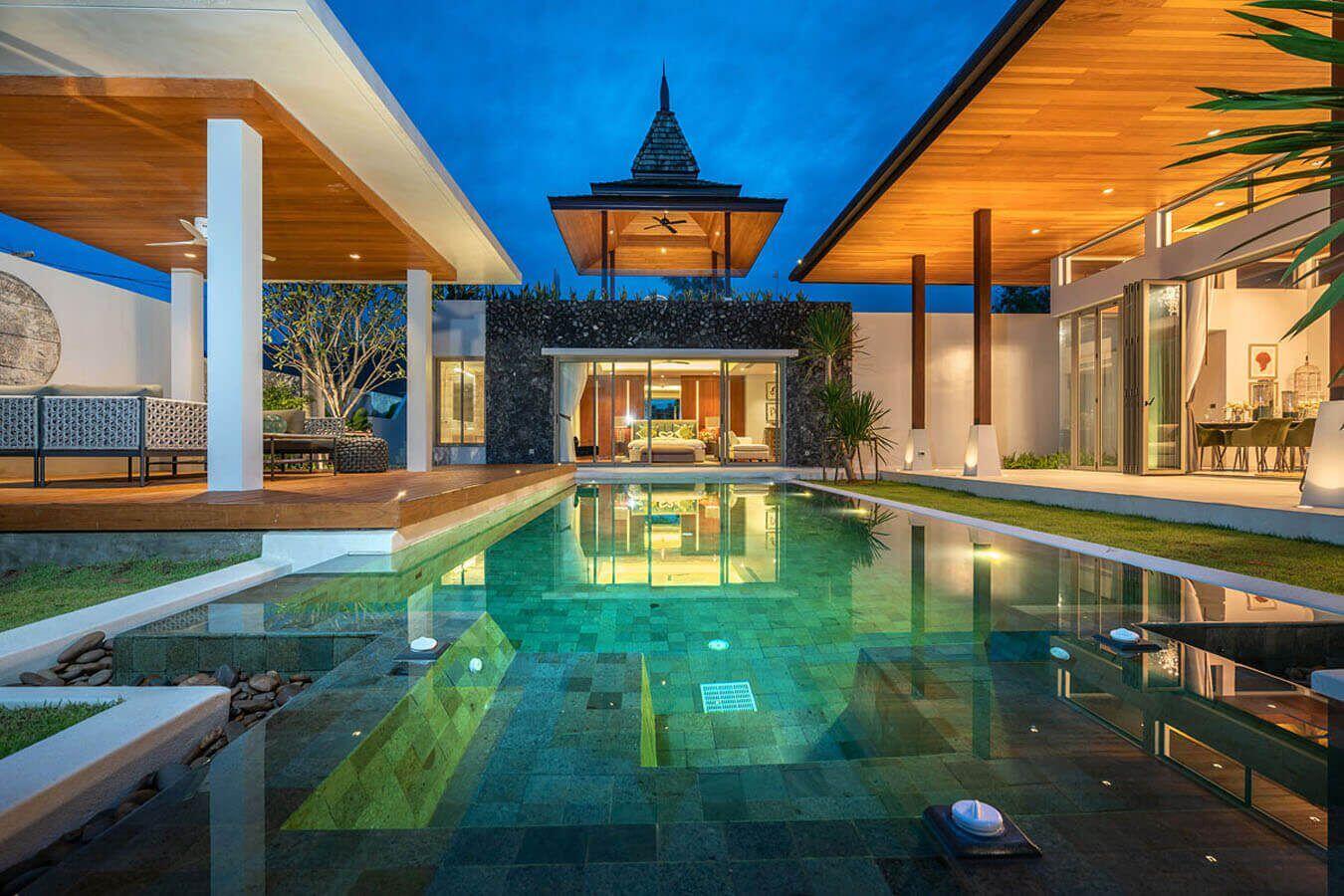
Unlike traditional overseas investors seeking long-term appreciation or rental returns, this emerging buyer group is motivated by urgency. These are purchasers looking for completed condominiums, turnkey villas, and secure residential communities that can serve as immediate relocation bases homes that offer stability, privacy, and seamless occupancy from day one.
Demand Driven by Relocation, Not Speculation
Thailand has long occupied a distinctive place in Asia’s property landscape, attracting everyone from European retirees to regional investors seeking second homes in tropical destinations. What is unfolding now reflects a different pattern: internationally mobile families, entrepreneurs, and professionals from markets such as Israel, Turkey, Germany and Australia are increasingly viewing Thailand as a practical safe haven rather than simply a leisure destination.
This shift is particularly visible in the mid- to upper-luxury residential segment, where buyers are prioritising functionality over prestige. Access to international healthcare, established infrastructure, secure gated communities, and international schools are proving more influential than brand-name addresses.
In this context, Thailand offers a compelling equation: relative affordability compared with Singapore, Hong Kong or Dubai, combined with a high quality of life in globally recognised beachfront settings.

Phuket Leads, But Other Coastal Markets Gain Momentum
Phuket remains Thailand’s most mature international resort market and continues to attract significant attention, particularly from buyers seeking premium condominiums and luxury villas. Yet much of the island’s new inventory remains under construction, creating limited supply for purchasers who require immediate move-in options.
This shortage is beginning to redirect attention toward other coastal destinations.
Pattaya has become increasingly attractive for international buyers seeking urban convenience alongside resort living. Its proximity to Bangkok, infrastructure upgrades linked to the Eastern Economic Corridor, and expanding portfolio of high-end condominium developments position it as a practical alternative for families wanting coastal access without sacrificing city connectivity.
Meanwhile, Koh Chang is quietly emerging as an alternative for buyers seeking low-density exclusivity. Unlike Thailand’s larger resort centres, Koh Chang offers a more discreet proposition: marina residences, beachfront villas, and private hillside homes in a setting defined by privacy and natural beauty rather than large-scale urbanisation.
On the Eastern Seaboard, areas such as Rayong are also entering the conversation, particularly among buyers looking for detached homes in the 10-million-baht range—properties viewed less as trophy assets and more as secure lifestyle relocations.

Thailand’s Role: Sanctuary Over Substitute
Despite increased activity, Thailand is unlikely to become a direct replacement market for wealth exiting volatile Middle Eastern hubs. Historically, in periods of geopolitical stress, capital preservation takes precedence over immediate real estate reinvestment. Many investors choose to hold liquidity or diversify into non-property assets before making cross-border commitments.
Thailand’s role is therefore more nuanced.
Rather than replacing global wealth centres such as Dubai, London or Singapore, Thailand is increasingly functioning as a secondary residential sanctuary a place where expatriates and internationally mobile families can establish a secure alternative base with relative ease.
This distinction matters. The current inflow is being driven not by aggressive portfolio reallocation, but by buyers seeking optionality: the reassurance of having a stable home in a politically neutral, lifestyle-rich environment.
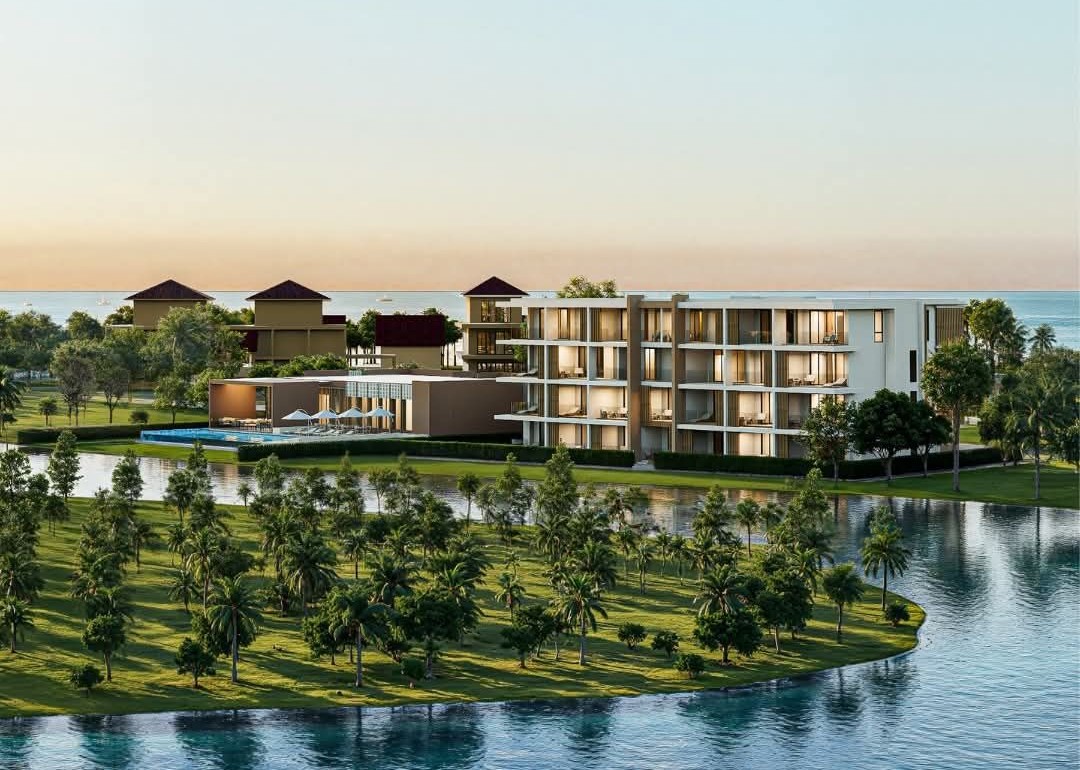 www.siam-royal-view.com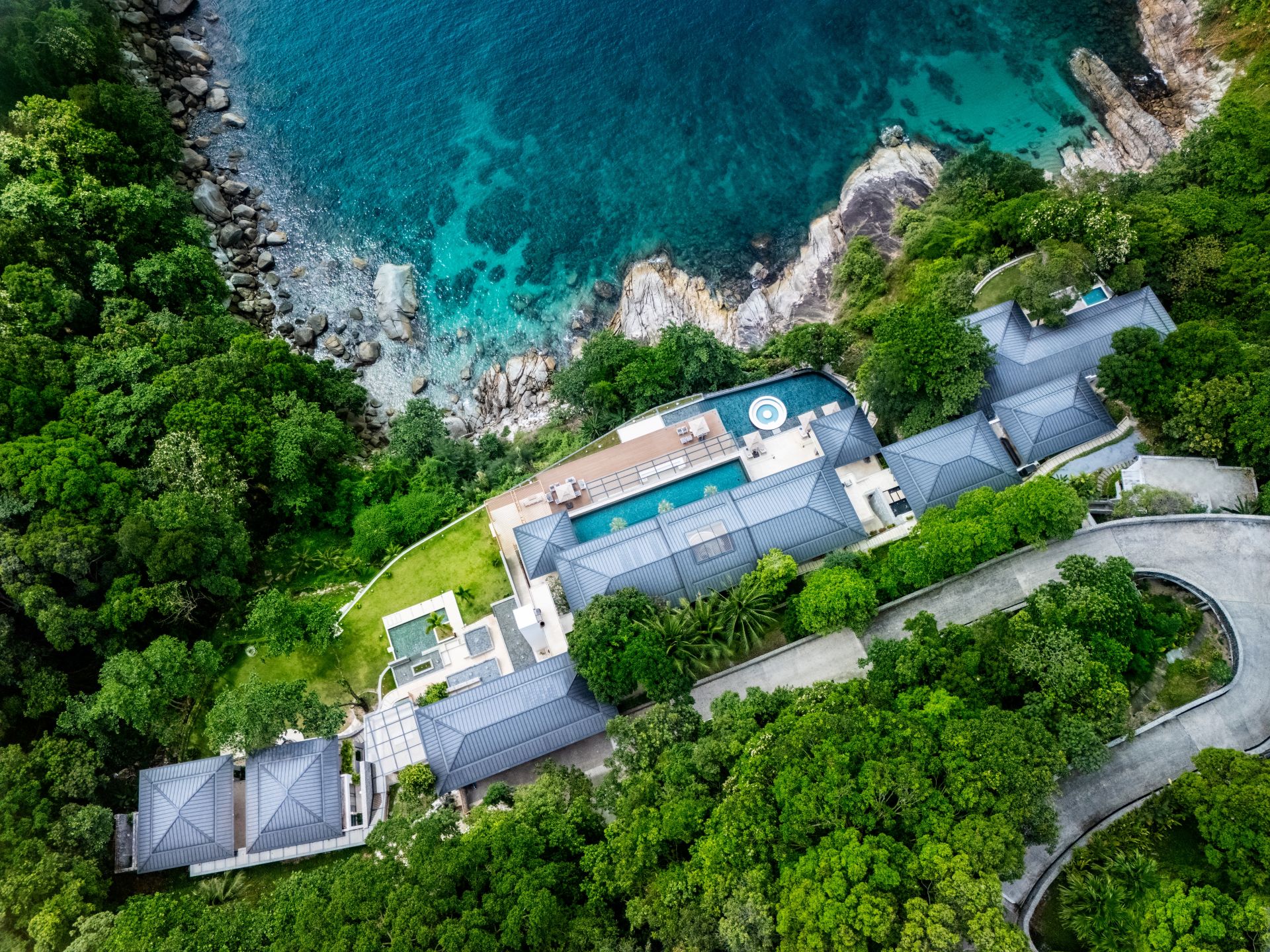
A Market Signal Worth Watching
For Thailand’s real estate industry, these enquiries do not yet amount to a market surge. Volumes remain selective and are unlikely, in the near term, to offset slower activity from traditional demand bases such as Chinese buyers or domestic speculative investors.
Yet the trend is significant because it signals a broader repositioning of Thailand in the global residential landscape.
Increasingly, the Kingdom is being viewed not merely as a destination for holidays, retirement or rental yield but as a place of permanence in uncertain times.
And in a world where global instability is reshaping how and where people choose to live, Thailand’s greatest luxury may no longer be its beaches alone, but the rare and growing value of peace of mind.