


Japan’s automotive industry is one of the most significant in the world, characterized by innovation, quality, and reliability. Among the most influential players in this industry are four legendary companies: Honda, Suzuki, Yamaha, and Kawasaki. These brands, often referred to as the “Four Kings” of Japan’s auto trade, have not only dominated the domestic market but have also made a significant impact on the global stage. Each company has its unique history, strengths, and contributions to the automotive world.
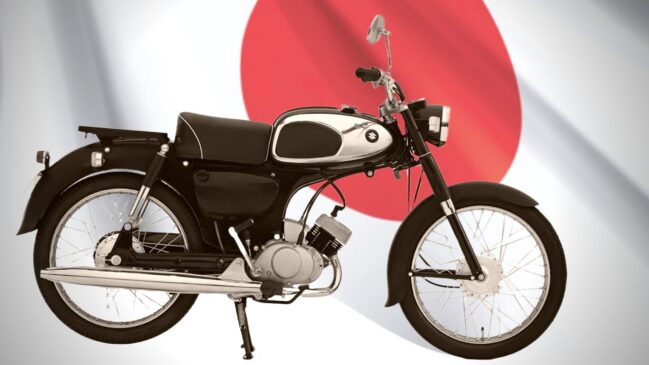
Honda: The Power of Dreams
Honda Motor Co., Ltd. is perhaps the most iconic of the four, known globally for its automobiles, motorcycles, and power equipment. Founded in 1948 by Soichiro Honda and Takeo Fujisawa, the company initially started as a motorcycle manufacturer before expanding into automobiles.
Honda’s success can be attributed to its innovative spirit and commitment to quality. The company revolutionized the motorcycle industry with the introduction of the Honda Super Cub in 1958, which remains one of the best-selling motorcycles in history. Honda’s venture into automobiles was marked by the release of the Honda Civic in 1972, which quickly became a global bestseller due to its fuel efficiency and reliability.
Today, Honda is recognized as the largest motorcycle manufacturer in the world and a leading automaker. Its vehicles are celebrated for their engineering excellence, environmental consciousness, and advanced technology. The brand’s philosophy, “The Power of Dreams,” reflects its commitment to creating products that enhance the lives of people worldwide.
Suzuki: Small Cars, Big Impact
Suzuki Motor Corporation, founded in 1909 by Michio Suzuki, began as a loom manufacturer before transitioning to motorized vehicles in the 1930s. Suzuki is best known for its compact cars, motorcycles, and all-terrain vehicles (ATVs). The company’s focus on small, affordable, and fuel-efficient vehicles has made it a household name, particularly in markets like India, where it commands a significant market share.
Suzuki’s first automobile, the Suzulight, was introduced in 1955 and became a precursor to the brand’s specialization in small cars. This focus allowed Suzuki to carve out a niche in both domestic and international markets. The brand’s success in India, through its partnership with Maruti, has been particularly noteworthy, with models like the Alto and Swift becoming bestsellers.
In addition to its prowess in the automotive sector, Suzuki is a significant player in the motorcycle industry. The brand’s motorcycles are known for their durability and performance, appealing to a broad range of riders from beginners to seasoned professionals.
Yamaha: Beyond Music to Motorcycles
Yamaha Motor Co., Ltd., originally a part of Nippon Gakki Co. (now Yamaha Corporation), was founded in 1955. While the Yamaha brand is often associated with musical instruments, Yamaha Motor has carved out a dominant position in the motorcycle industry. The company’s first motorcycle, the YA-1, was a racing success and laid the foundation for Yamaha’s reputation in motorsports.
Yamaha is renowned for producing high-performance motorcycles that combine cutting-edge technology with stylish design. The brand’s YZF series of sportbikes, including the iconic YZF-R1, has a loyal following among enthusiasts and is a regular contender in international racing competitions.
Beyond motorcycles, Yamaha has diversified its offerings to include marine products, power sports vehicles, and even robotics. The company’s commitment to innovation and quality has made it a leader in various sectors, further solidifying its position as one of Japan’s automotive kings.
Kawasaki: The Heavyweight Champion
Kawasaki Heavy Industries, Ltd., founded in 1896, is a conglomerate with interests in shipbuilding, aerospace, and industrial equipment, but it is perhaps best known for its motorcycles. Kawasaki’s entry into the motorcycle market came in 1963, and it quickly established a reputation for producing powerful and reliable machines.
Kawasaki’s motorcycles are often characterized by their distinctive green color and aggressive styling, particularly in the sportbike segment. The Kawasaki Ninja series, launched in 1984, has become synonymous with high-performance riding and is one of the most recognized names in the motorcycle world.
Kawasaki’s commitment to performance is evident in its engineering, with models like the Ninja H2R pushing the boundaries of what is possible in a production motorcycle. The company also produces a range of ATVs, personal watercraft, and utility vehicles, showcasing its versatility and engineering expertise.
The Global Impact of the Four Kings
Together, Honda, Suzuki, Yamaha, and Kawasaki have not only shaped Japan’s automotive landscape but have also made a profound impact on the global market. Their products are synonymous with quality, innovation, and reliability, earning them loyal customers worldwide.
These companies have also been at the forefront of technological advancements in the automotive industry. From Honda’s pioneering work in hybrid technology with the Insight and the development of ASIMO, the humanoid robot, to Yamaha’s advancements in electric motorcycles, the Four Kings continue to push the boundaries of what is possible.
The legacy of Honda, Suzuki, Yamaha, and Kawasaki is a testament to Japan’s ability to produce world-class automotive products. These Four Kings have not only dominated the motorcycle and automotive markets but have also set standards for quality and innovation that continue to influence the industry. As they move forward, their commitment to excellence ensures that they will remain at the pinnacle of the global auto trade for years to come.