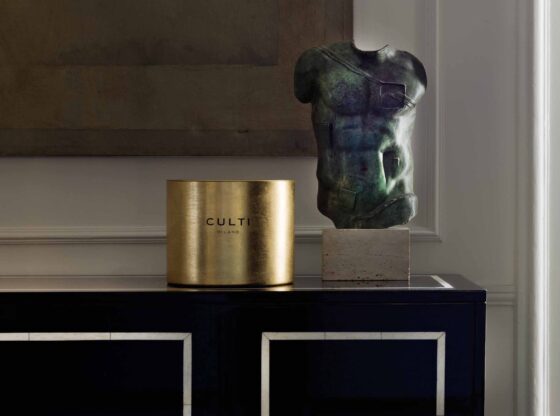



One of the boldest interior design movements emerging in 2025 is the “pretty ugly” aesthetic. While the name might sound off-putting at first, this trend isn’t about embracing ugliness—it’s about challenging conventional beauty and curating spaces that feel uniquely personal. It’s a reaction against the overly polished, Pinterest-perfect look that has dominated interiors for years, instead encouraging individuality and the unexpected.
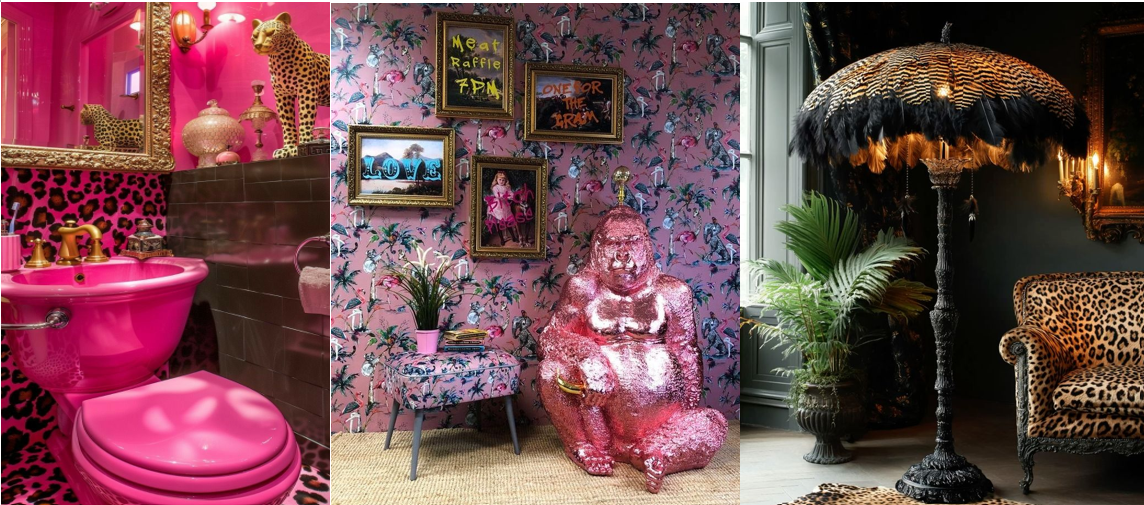
What Is the “Pretty Ugly” Aesthetic?
Rooted in the French term jolie laide, which translates to “pretty ugly,” this trend isn’t about cluttering your home with bizarre objects for the sake of being different. Instead, it celebrates unconventional beauty—pieces that spark conversation, add character, and defy traditional design rules. Think of a statement artwork that makes you pause, a sculpture that feels oddly captivating, or a vintage find that seems out of place yet perfectly at home in your space.
“When everything in a room feels too perfect, it loses its soul,” says Lindsie Davis of Blueberry Jones Design. “There’s something wonderfully disruptive about introducing an element that challenges convention—a ‘pretty ugly’ piece that makes people stop and think.”
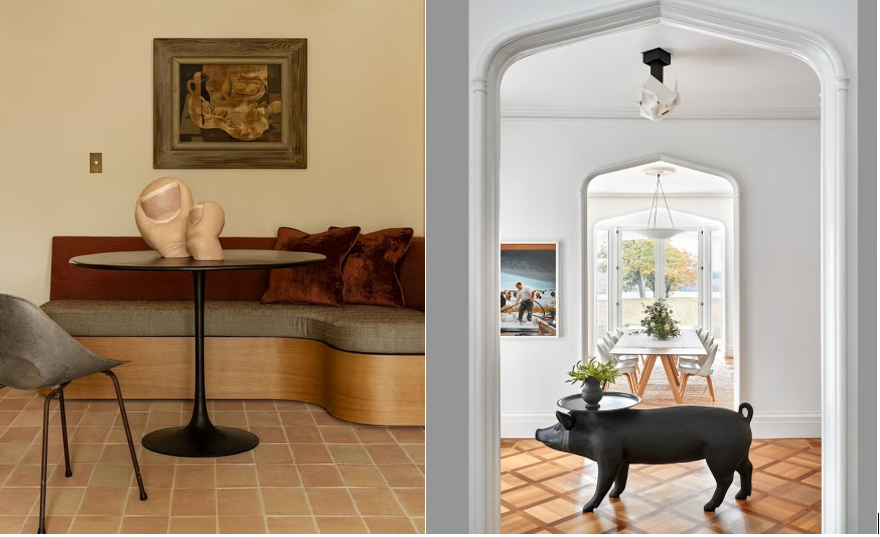
Why Designers Are Embracing the “Pretty Ugly” Trend
For many interior designers, the rise of social media-driven aesthetics has resulted in a wave of uniform, algorithm-approved spaces that lack originality. The “pretty ugly” approach is a breath of fresh air, allowing designers to experiment with tension and juxtaposition.
“For so long, design was about symmetry and balance, but today, unexpected contrasts feel more dynamic and fresher,” says designer Darlene Molnar. “We’re moving away from the idea that everything has to be picture-perfect. Instead, we’re embracing designs that feel authentic and deeply personal.”
David Lucido, a designer based in New York and Palm Beach, echoes this sentiment. “Every home should have pieces that make people stop, think, and start a conversation. These elements bring energy and personality to a space.”
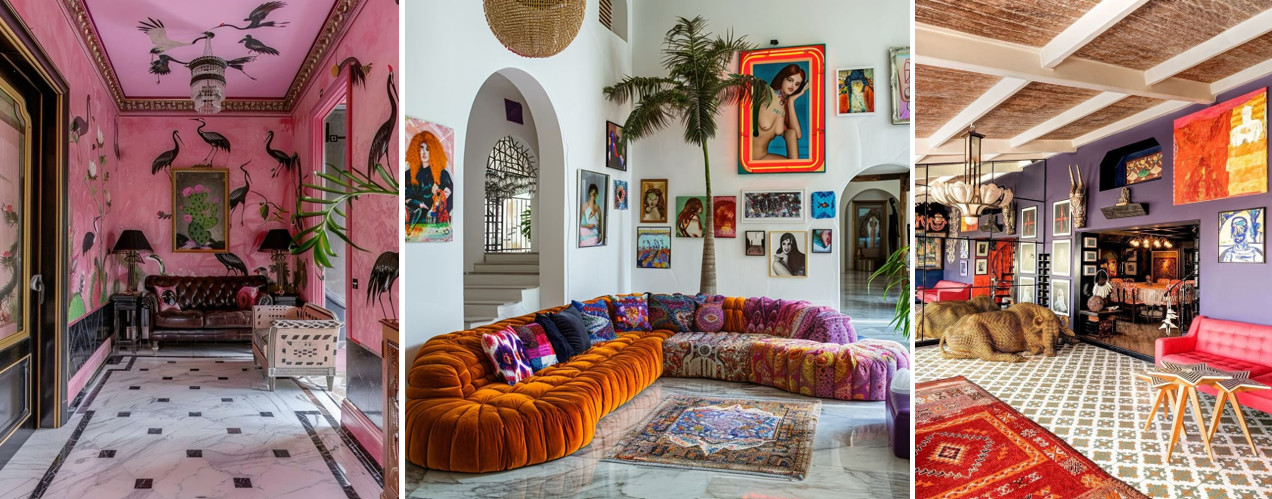
How To Incorporate “Pretty Ugly” Into Your Home
Nailing this trend requires a keen eye. It’s about intentional mismatching rather than chaos. Here are some easy ways to embrace the look:
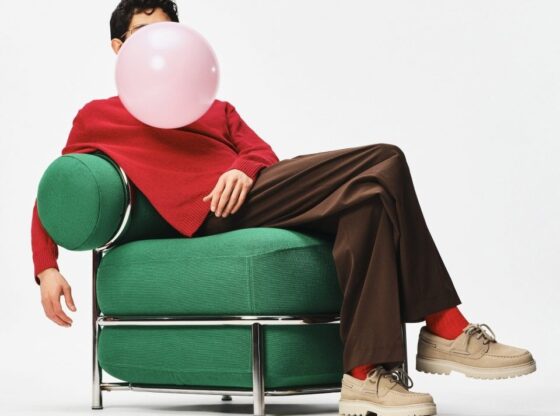
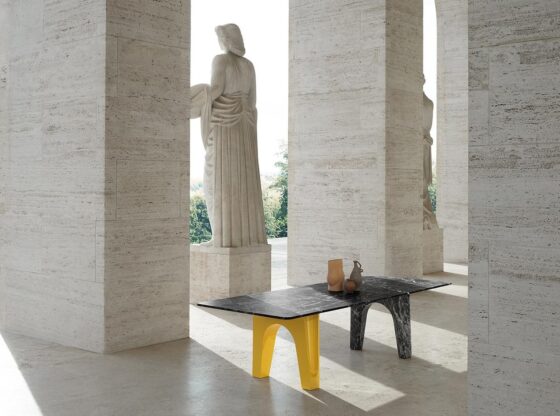
Choose an unexpected statement piece: A bold sculpture, an unconventional chair, or an offbeat light fixture can serve as the perfect focal point.
Experiment with color: Instead of playing it safe, opt for a paint color that feels daring—perhaps an earthy brown, deep mustard, or an unconventional shade of green.
Layer different eras and styles: Combine vintage and modern elements to create a space that feels lived-in and collected over time.
Embrace bold art choices: A slightly unsettling painting, an oversized abstract piece, or a quirky portrait can add intrigue.
Shop secondhand: Flea markets, estate sales, and thrift stores are goldmines for unique finds that bring personality to a space.
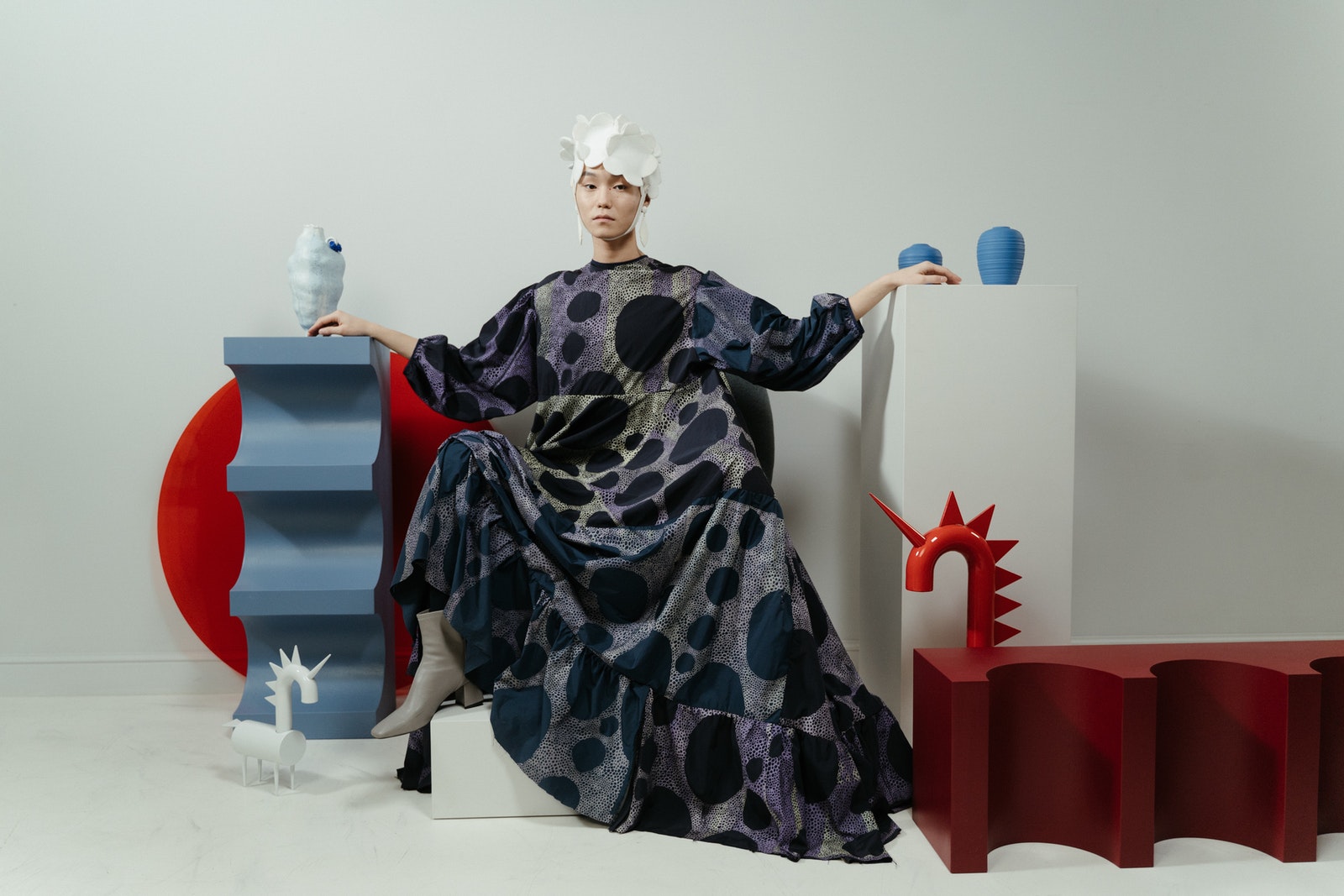
The Future of Interior Design: Embracing the Unexpected
As the design world moves toward a more expressive and eclectic approach, the “pretty ugly” aesthetic is redefining beauty in interiors. It’s about creating homes that feel layered, lived-in, and full of personality.
“Breaking the mold is what good design is all about,” says Lucido. “The best spaces aren’t those that follow trends blindly but those that feel authentic and personal.”
So, if you’re looking to shake things up in 2025, dare to embrace the unexpected. Let your home tell a story—one that’s bold, imperfect, and beautifully unique.