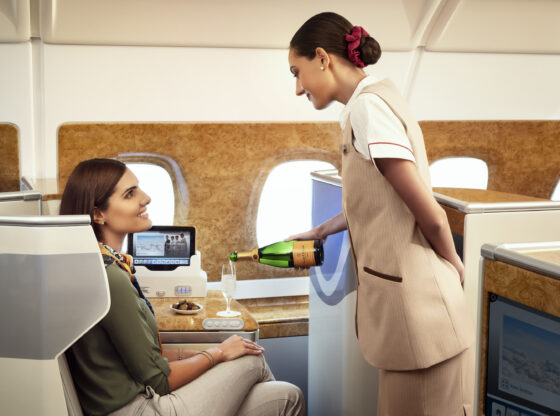



What is Pet Tourism?
Pet tourism is a growing trend that involves traveling with pets, particularly driven by the concept of pet humanization. Pet humanization refers to the increasing tendency for pet owners to treat their animals like family members. This trend has led many pet owners to seek out opportunities to travel with their pets and engage in activities that allow them to bond and create special experiences together. As a result, the pet tourism market is becoming increasingly promising, with substantial growth potential in the future.
4 Key Factors Driving the Growth of Pet Tourism:
- The Trend of Pet Humanization
Pet owners today, especially those living alone, are increasingly treating their pets as family members, often referred to as “pet parents.” This shift means that pet owners are willing to spend more on their pets, from food and healthcare to travel experiences. - The Rising Number of Pets and Pet Owners
Over the past 10 years, the number of pets, including dogs, cats, and other animals like birds and fish, has increased by approximately 2.5% CAGR. This growth is closely aligned with the rise in the number of households that own pets. Furthermore, from 2025 to 2028, the number of pets is expected to continue growing at around 2.6% CAGR. - Increase in Businesses Offering Pet Tourism Services
The number of companies registered in pet-related industries has grown by 17% CAGR from 2015 to 2023, encompassing pet food retail, medical services, and pet care sectors. Moreover, many hotels and restaurants have expanded their services to cater specifically to pet owners. - Government Support
The Tourism Authority of Thailand (TAT) has recognized the importance of the pet tourism trend and launched the “Amazing Happy Paws” campaign to promote pet tourism among both Thai residents and international tourists with pets. This initiative includes creating a database of pet-friendly businesses, making traveling with pets more widely accepted and easier to manage.
SCB EIC Identifies 4 Growing Sectors Benefiting from Pet Tourism:
- Hotel and Accommodation Business
Hotels and accommodations can expect to see an increase in revenue from charges related to pets staying in the facility. Additionally, targeting the pet-owning tourist market could lead to an increase in overall occupancy rates. Hotels will need to provide pet-friendly amenities to accommodate pets staying with their owners. - Restaurant Industry
Restaurants are another business sector poised to benefit from pet tourism. By catering to customers who bring their pets to dine, restaurants can tap into a growing market. They can also generate additional revenue by offering special menus for pets, including pet-friendly meals, snacks, and beverages. - Transport and Airline Industry
As more pet owners choose to travel with their pets, both domestically and internationally, there is a growing opportunity for transport and airline services. Airlines can increase revenue by charging additional fees for pets traveling with passengers. There is also potential for international tourists traveling to Thailand with their pets, creating more demand for pet-friendly services in aviation. - Pet Healthcare & Wellness Business
This industry has a growing opportunity to serve pet tourists by offering various services, such as pet care, grooming, and health checks before travel. Services might include issuing health certificates, microchipping pets for travel purposes, as well as wellness services like pet spas, vaccinations, and fitness activities for pets.
Challenges for the Industry and Strategies to Attract Pet Tourism
The challenge for businesses serving the pet tourism market is creating a balance in service provision between pet lovers and those who are not familiar with pets or have allergies. The business needs to manage these two customer groups separately, ensuring clear demarcation of spaces and adhering to high cleanliness standards to satisfy both groups.
Additionally, there are higher costs associated with accommodating pet tourists, including cleaning services, additional staff, maintenance, and providing extra equipment for pets.
To attract more pet tourism, businesses should:
- Offer High-Quality Services with clear regulations and fair pricing, ensuring that the needs of pet tourists are met while maintaining transparency and fairness in pet policies.
- Increase Online Engagement by using pet-related images and marketing materials, which can attract more attention from pet lovers and boost engagement on digital platforms.
- Develop Premium Products designed for pet lovers with higher purchasing power, including high-quality or specialized products and services tailored to this segment.