


Watch the New Wave of the Global Economy!
Mahidol University Drives Deep Tech Startups to Transform Wellness, Precision Medicine, and the Pet Economy — Positioning Innovation as a New Engine for Global Market Share
The Institute for Technology and Innovation Management (INT) at Mahidol University is closely monitoring global economic trends and urging Thailand to move from being a “technology consumer” to an “innovation creator.” This shift aligns with the rapid growth of the Health & Wellness and Pet Economy sectors two of today’s most prominent megatrends.

Unlocking Global Opportunity: Wellness – Precision Medicine – Pet Economy
Amid sweeping global changes reflected in massive investment flows, leading international research firms point in the same direction. McKinsey & Company reports that the Global Wellness Market is currently valued at USD 1.8 trillion and continues to grow steadily. Meanwhile, the pet industry is emerging as a high-growth star. Bloomberg Intelligence forecasts that the global pet economy will grow by more than 45% over the next five years, surpassing USD 500 billion by 2030.
These enormous capital flows represent not only business opportunities but also a structural shift in the global economy. This transformation aligns with Thailand’s strengths in wellness services, advancements in anti-aging and medical technologies, and the growing enthusiasm among pet owners.
The year 2026 may therefore mark a pivotal moment for Thailand to leverage its strengths and combine them with “Deep Tech innovation” to elevate its position from a “technology buyer” to a “technology developer,” using innovation as a new economic engine to capture global market share.
To enhance the country’s competitiveness, INT has launched the Mahidol Incubation Program as a platform to nurture next-generation startup entrepreneurs. The program strengthens business capabilities while systematically advancing research commercialization transforming researchers into true tech entrepreneurs.

VETISOME: Ending Steroid Reliance in Pet Dermatology with Exosome Innovation
As pets increasingly become family members, one persistent challenge for owners is the cycle of chronic treatments especially for allergic skin diseases in dogs and cats. Traditional reliance on steroids or immunosuppressants may quickly relieve itching but poses long-term risks of liver and kidney damage.
VETISOME, a Deep Tech startup from Mahidol led by Asst. Prof. Dr. Sasithorn Rungarunlert of the Faculty of Veterinary Science, is redefining treatment with “Exosome Therapy,” a regenerative approach that goes beyond conventional chemical medications. Using nano-scale MSC-derived exosomes, the technology delivers biological signals directly to cells, stimulating tissue repair and restoring immune balance at the root cause rather than merely suppressing symptoms.
A key advantage lies in its “cell-free” extraction process, eliminating risks of mutation or tumor formation often associated with traditional stem cell therapies. The result is not just itch relief but restored skin integrity, healthy fur regrowth, and sustainably improved quality of life for pets.
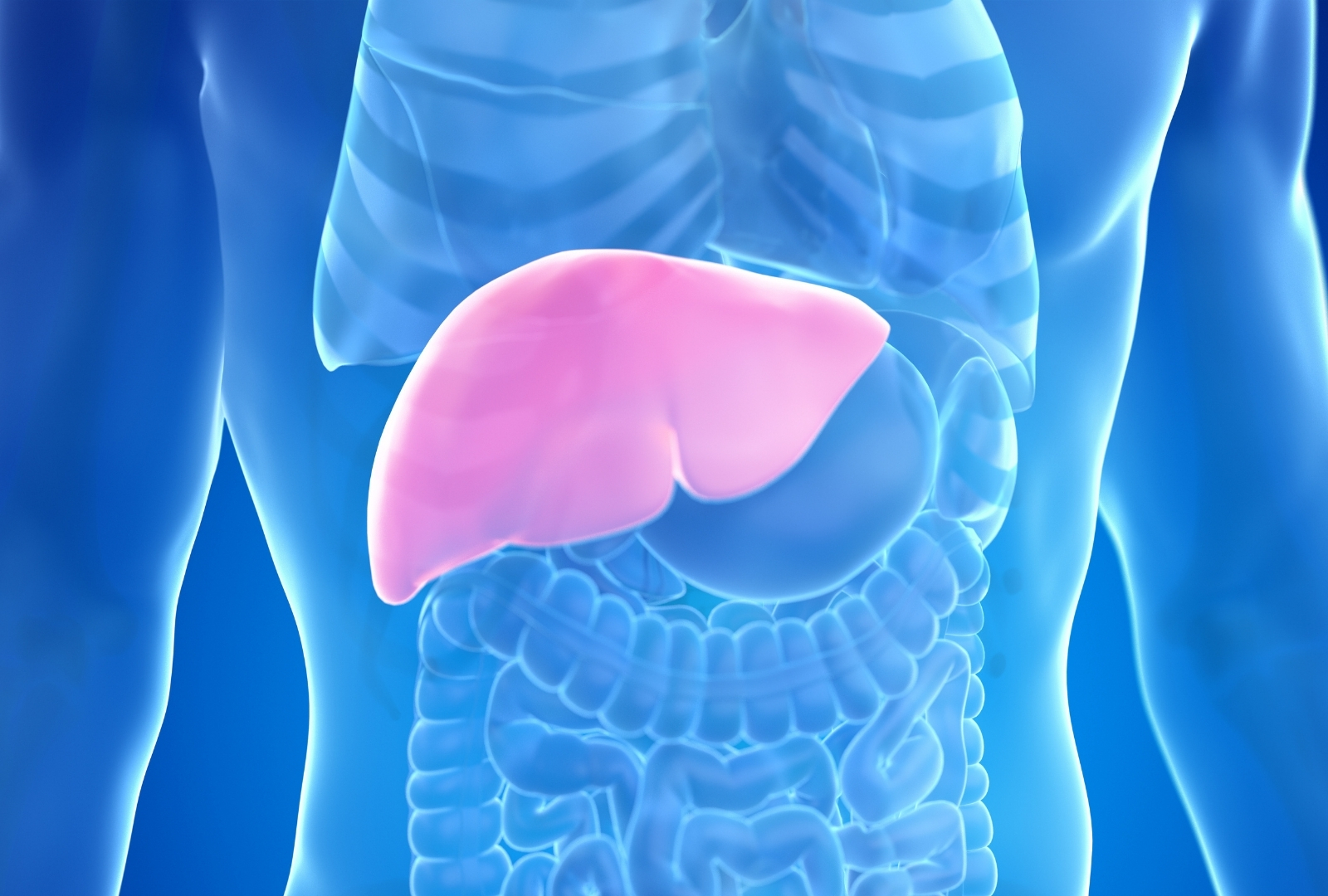
OrganoTopia: Human Liver Organoids Replacing Animal Testing
In global pharmaceutical research, more than 90% of new drugs fail during clinical trials. A major cause is undetected liver toxicity in animal testing due to physiological differences between animals and humans. Reliance on animal data is both risky and costly and raises ethical concerns.
OrganoTopia, a Deep Tech startup and Mahidol innovation award winner led by Assoc. Prof. Dr. Kasem Kulkeaw of the Faculty of Medicine Siriraj Hospital, addresses this issue with “Liver Organoids”miniature human liver tissues grown from human cells that function as realistic organ representatives in the lab.
This breakthrough technology transforms drug research standards by accurately predicting human liver toxicity, reducing patient risk and minimizing reliance on animal testing. It also aligns with global ethical trends to reduce animal experimentation, accelerating drug development while enhancing cost-effectiveness and patient safety.
RevoAllerX: Microneedle Patch Revolutionizes Allergy Testing
Traditional skin-prick allergy testing can cause anxiety and discomfort, particularly among children. RevoAllerX, a Mahidol startup led by Assoc. Prof. Dr. Surapon Piboonpocanun from the Institute of Molecular Biosciences, introduces the “IgEase MN-10 Patch,” a needle-free alternative designed to transform the patient experience.
The innovation utilizes microneedle technology ultra-small needles engineered to penetrate only the superficial skin layer without reaching nerve-rich deeper layers, significantly reducing pain and stress. The microneedles are biodegradable, minimizing disposal concerns.
Clinical testing confirms diagnostic accuracy comparable to conventional needle methods. The IgEase patch requires only four simple steps and can test up to 10 allergens simultaneously, significantly enhancing medical service standards while creating a more patient-friendly hospital environment.
Driving Thailand Toward an Innovation Economy
The success of these Thai startups highlights the global readiness of Thai research and innovation to generate tangible social and economic impact. Their achievements reinforce Thailand’s potential to transition into a leading innovation developer in the near future.
About INT, Mahidol University
The Institute for Technology and Innovation Management (INT) at Mahidol University serves as the university’s Innovation Gateway, driving research and innovation toward real-world impact. INT connects academic knowledge, research, and innovation with the private sector for both social and commercial applications—ultimately enhancing quality of life, health, and well-being in Thailand and worldwide.