


Insights into Collector Trends, Market Dynamics and Thailand’s Emerging Art Ecosystem
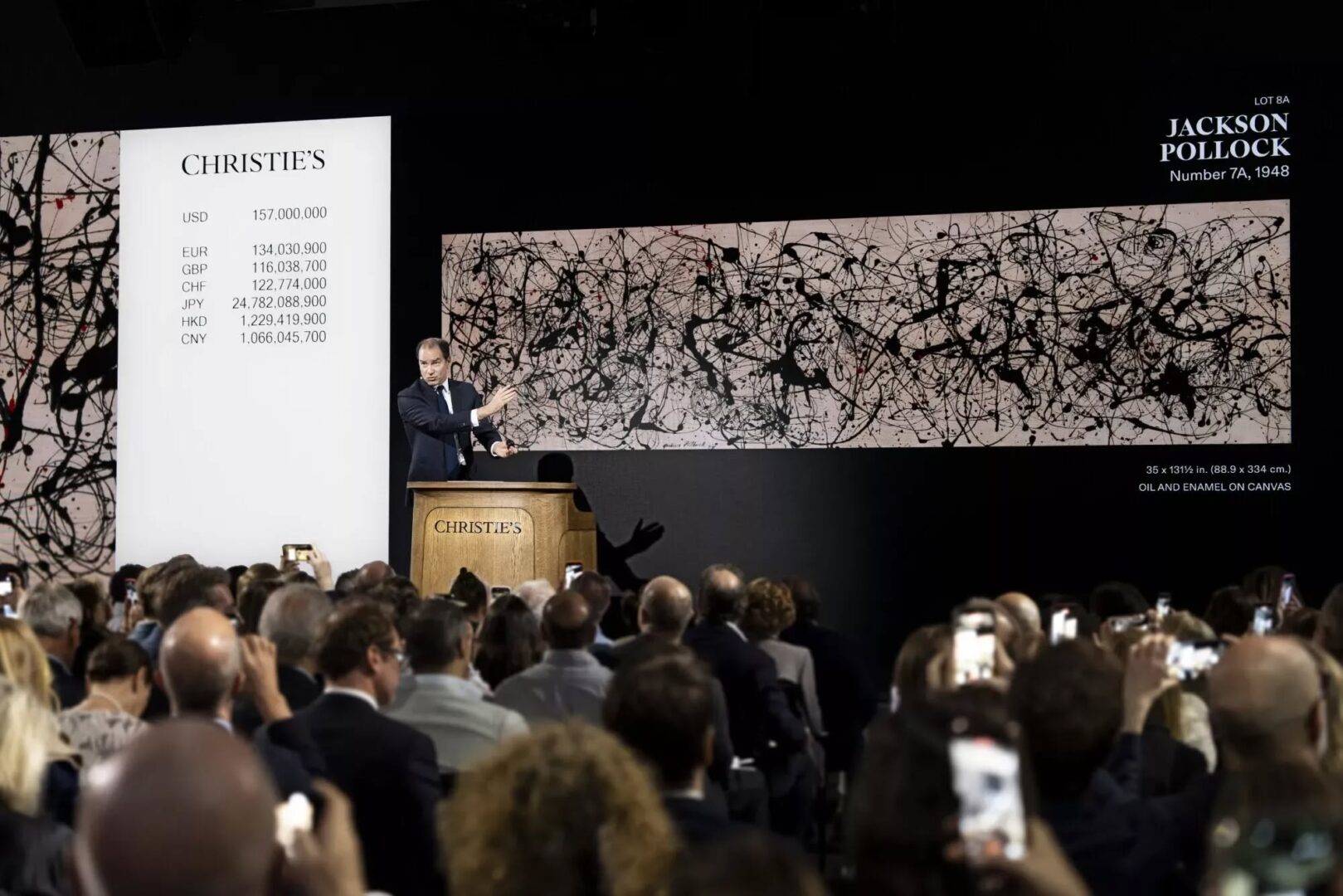
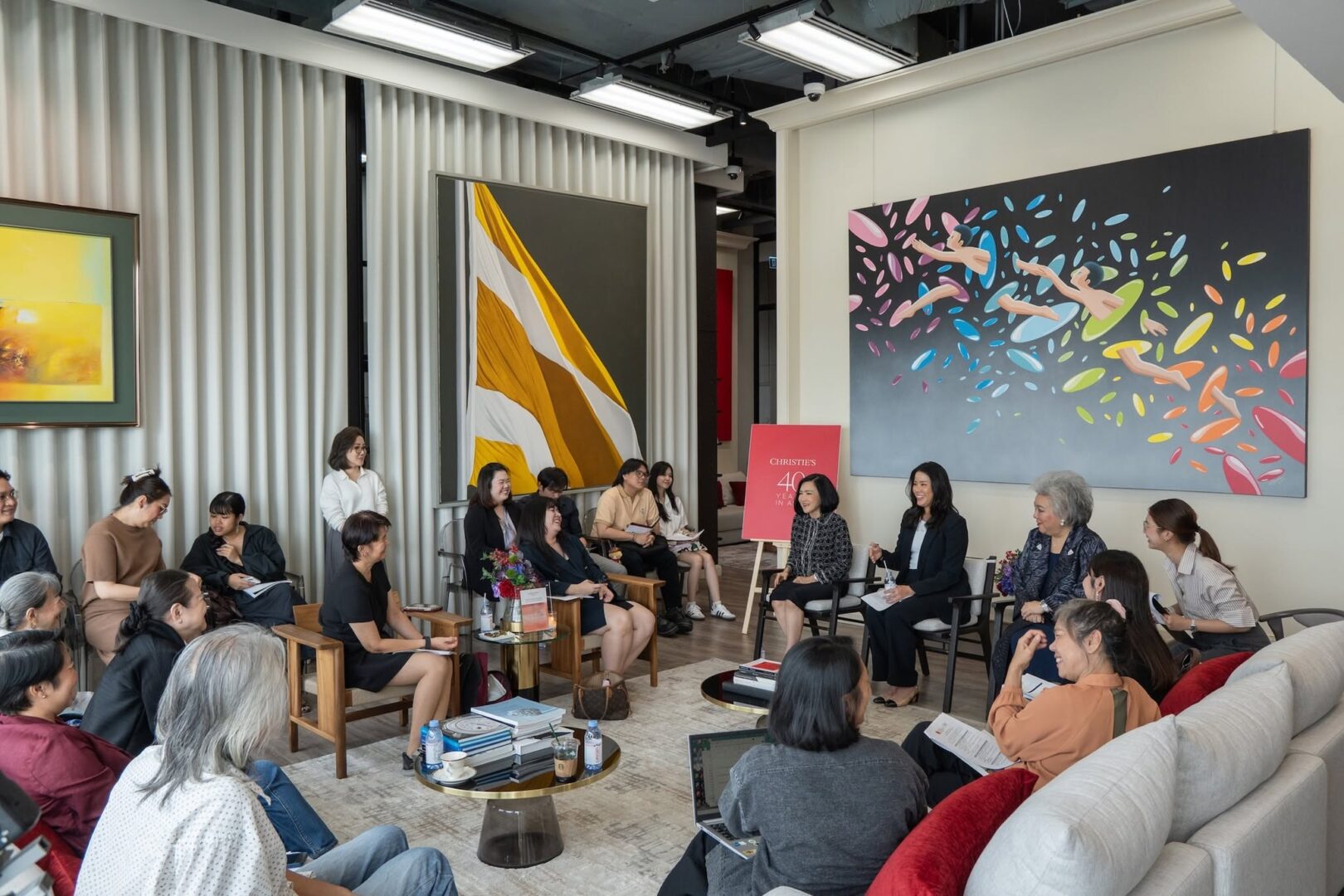
Christie’s, one of the world’s leading auction houses with more than 250 years of heritage, recently hosted a special talk, “Tea & Talk: Celebrating 40 Years of Christie’s in Asia with Three Leading Women in the Global Auction World.” The event brought together members of the media for an insightful conversation with Panyachalee Phenchati, Co-Founder and Advisor of Christie’s Thailand; Yaowanee Nirandorn, Founder and Managing Director of Christie’s Auction (Thailand) Co., Ltd.; and Prapawadee Sophonpanich, Managing Director of Christie’s Thailand, Vietnam, Cambodia, Laos and Myanmar (CLMVT).
The discussion traced Christie’s journey in Thailand from its early days, when collecting remained a niche pursuit among a limited circle, to today, as Thailand’s auction and collecting landscape increasingly looks beyond its borders toward the wider Asian market. The conversation explored the transformation of the market over more than 28 years, as well as the new opportunities emerging for Thailand’s art and collecting scene.
Beyond the Auction Market:
Thailand’s Journey Towards Becoming a Regional Cultural Hub
As the regional art market continues to expand, one of Thailand’s key opportunities lies in establishing itself as a leading art and cultural hub in the region.
Yaowanee Nirandorn, Founder and Managing Director of Christie’s Thailand and Founder of 129 Art Museum, highlighted Thailand’s strong cultural and historical foundations, which she believes are on par with those of other leading nations in Southeast Asia. The country is also home to influential artists, collectors, galleries and creative communities, creating significant potential to connect these strengths into a more comprehensive and vibrant art ecosystem.
“With the kind of government support seen in Singapore or Hong Kong, Thailand could become an Art Hub as well. However, we are still constrained by structural issues, including tax regulations, licensing procedures and the availability of suitable spaces for large-scale events. My experience with Christie’s has shown that the lessons of the Great Depression demonstrate how great art can transcend time and continue to appreciate in value. Today, younger generations increasingly view art as part of their lifestyle, taste and approach to collecting, particularly within the concept of Quiet Luxury. This has contributed to significant market growth, with the market expanding nearly tenfold. I would therefore like to see the government place greater emphasis on supporting art spaces and developing more progressive tax policies, as we have seen in South Korea, where strong government support has helped the market grow exponentially.”
From Buyers to Collectors:
A New Generation Is Reshaping the Auction Landscape
One of the most significant shifts in the market is the changing profile of today’s collectors. Interest is increasingly expanding beyond traditional collecting categories and into the world of fine art, while a new generation of collectors is entering the market at a younger age, typically in their 30s and 40s.
These emerging collectors are also embracing a new approach known as “Cross-Category Collecting,” allowing them to explore and acquire a diverse range of objects simultaneously—from luxury handbags, for which Christie’s pioneered the auction category, and fine wines to modern art and internationally acclaimed masterpieces.
This evolving behaviour is increasingly blurring the traditional boundaries between Art, Luxury and Collectibles, creating a more interconnected, diverse and borderless collecting landscape than ever before.