


The all-electric Coachbuild Collection, limited to 100 motor cars, embarks on an intensive testing programme spanning 350 weeks, including 1,430 hours of aerodynamic development and 15,000 cycles of Piano Boot testing.
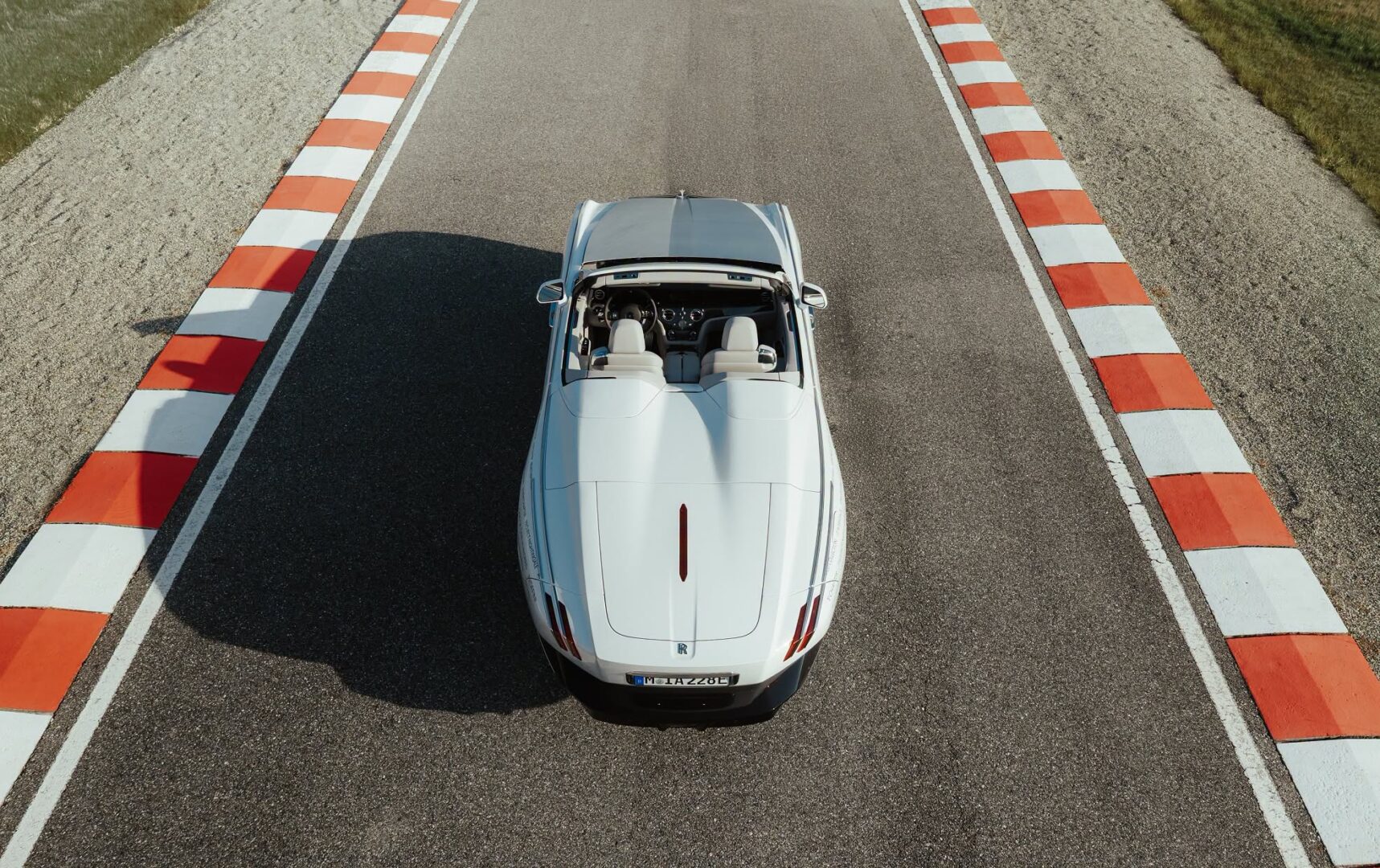
Rolls-Royce Motor Cars has begun road testing Project Nightingale, its exclusive Coachbuild Collection of 100 all-electric motor cars. The programme marks a major milestone in the development of a motor car that combines extraordinary design freedom with the marque’s commitment to effortless performance, refinement and engineering excellence.
Designed to represent the fullest expression of what Rolls-Royce can achieve today, Project Nightingale also offers a compelling vision of the marque’s future. With each motor car intended to be driven and enjoyed by clients around the world, the development team is undertaking one of the most rigorous testing programmes in the marque’s history.
Over a total of 350 weeks of engineering work, prototypes will be assessed across a wide range of environments and driving conditions, from Mediterranean coastal roads and the Arctic to desert landscapes and routes at altitudes exceeding 2,750 metres above sea level.
“Project Nightingale embodies the same spirit of audacious exploration that Sir Henry Royce brought to the experimental ‘EX’ motor cars of the 1920s. These were created to discover the true potential of Rolls-Royce, unconstrained by convention,” said Chris Brownridge, Chief Executive of Rolls-Royce Motor Cars.
“Few motor cars in our history have received this level of dedication and attention from their creators. Project Nightingale is therefore being tested with the same intensity with which it was conceived. Beginning on European roads, where Rolls-Royce first demonstrated its capabilities to the world more than a century ago, the programme will extend across the full range of conditions our clients may encounter. Every detail is being refined with extraordinary care, right down to the sound of the Piano Boot after 15,000 opening and closing cycles. This is the level of testing that a motor car of this exceptional character—and the Rolls-Royce marque—deserves.”
Returning to the Roads That Shaped a Legacy
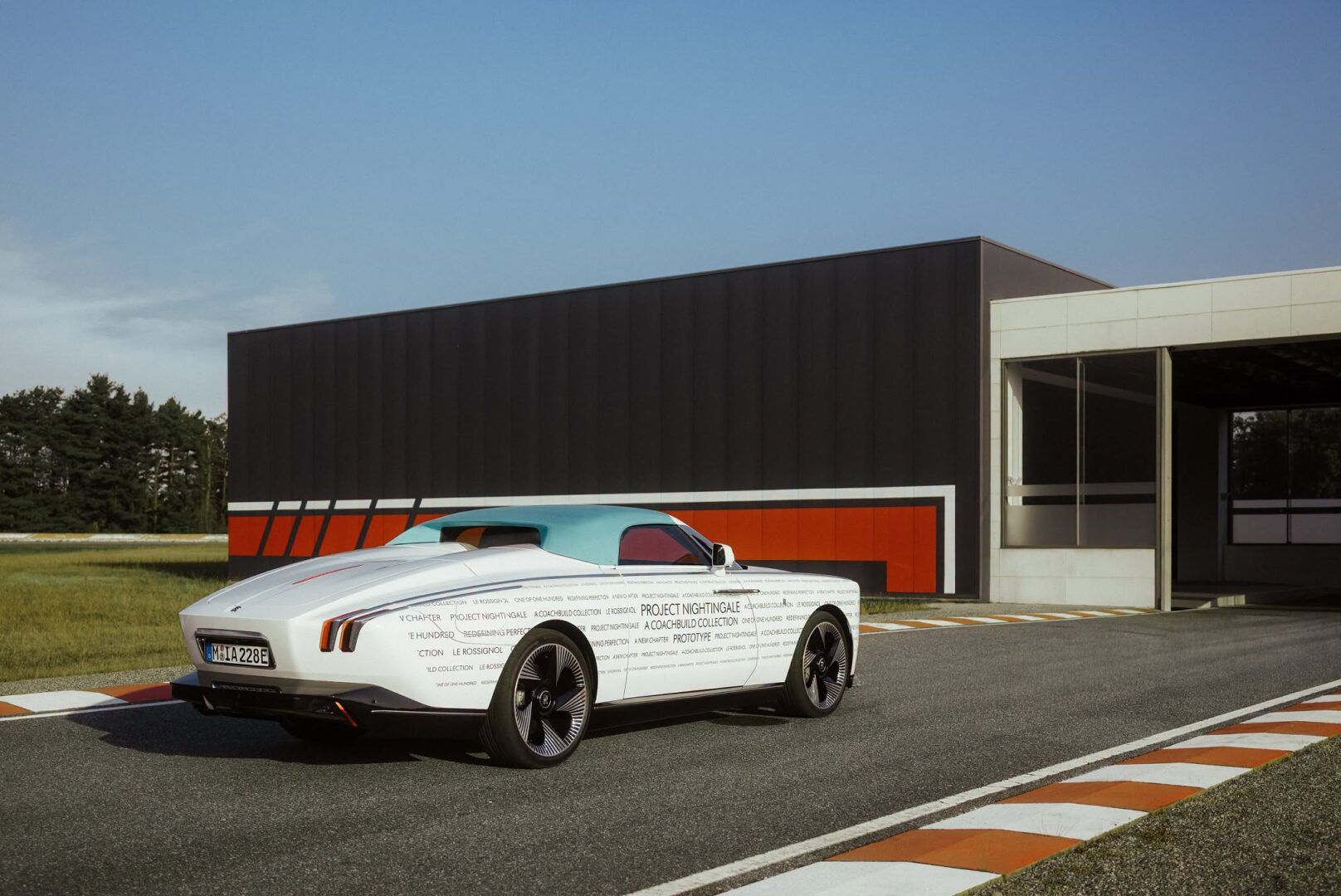
Announced in April 2026, Project Nightingale brings together unrestricted creative expression and an all-electric powertrain in a limited Coachbuild Collection of 100 motor cars.
The road testing programme begins in southern Europe, returning to routes that played a formative role in Rolls-Royce’s engineering heritage more than 100 years ago. The south of France holds particular significance: Project Nightingale takes its name from Le Rossignol, the French word for nightingale and the name of the residence Sir Henry Royce created for his designers and engineers near his winter home on the French Riviera in the early 20th century.
During that era, Rolls-Royce engineers tested their motor cars for speed and endurance on demanding roads. The marque’s historic testing grounds in Châteauroux, as well as routes connecting Monte Carlo and London, also formed part of this tradition. More than a century later, Project Nightingale continues that legacy through a similarly exacting development process.
1,430 Hours of Aerodynamic Development
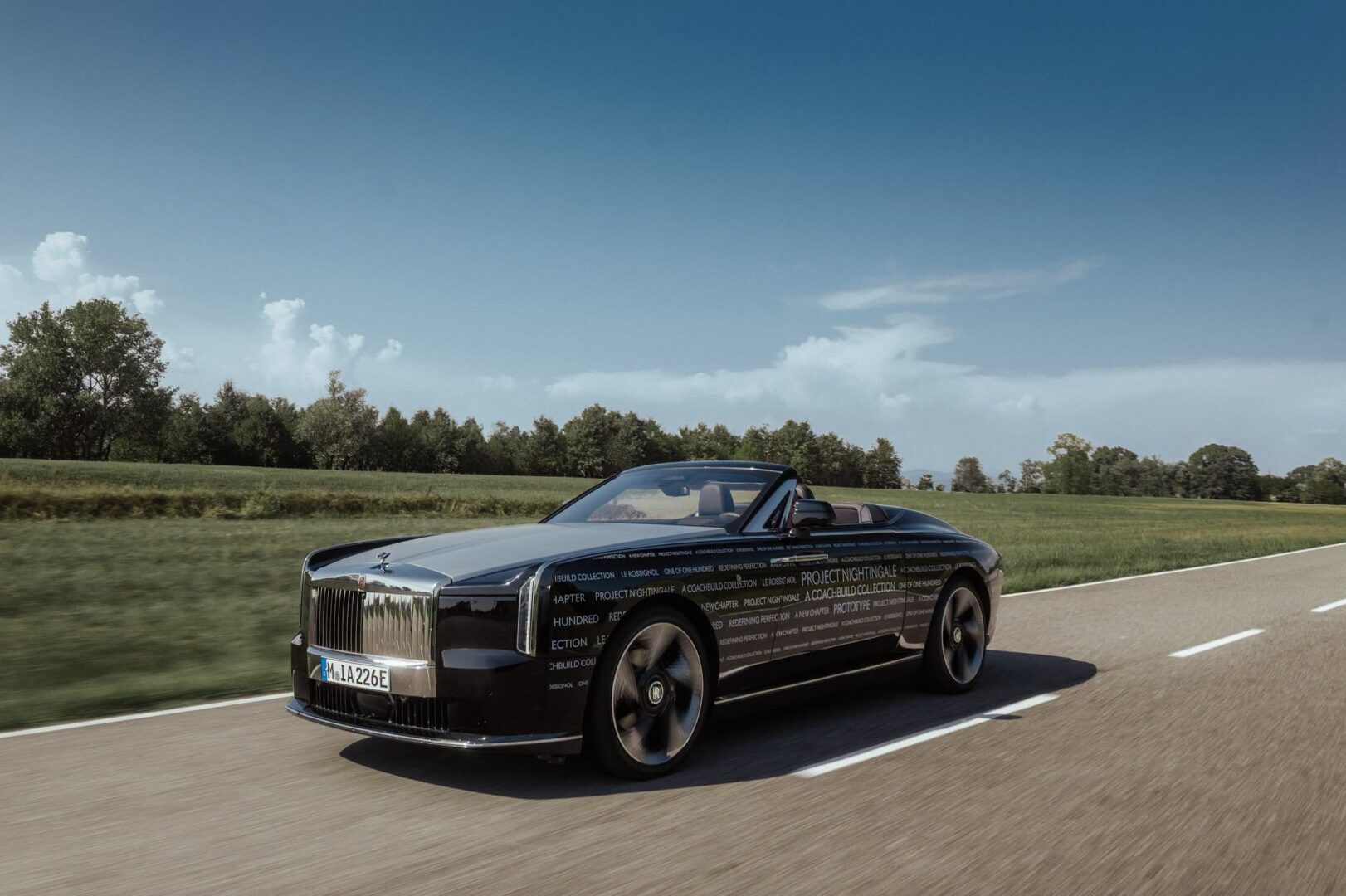
The start of road testing follows approximately three years of development, including a combined 1,430 hours of aerodynamic simulation and wind-tunnel testing.
The prototypes were subsequently evaluated at a private high-speed testing facility, where they reached speeds of up to 250 km/h. Engineers conducted detailed assessments to minimise wind noise, pursuing the near-silent refinement that defines the Coachbuild Collection: a carefully balanced combination of power, serenity and exceptional comfort.
Attention has also been devoted to airflow within the cabin. An electrically deployable wind deflector, developed specifically for Project Nightingale, has been engineered to prevent turbulent air from circulating back into the passenger compartment when driving with the roof open. Tested at multiple speeds, the system significantly reduces cabin turbulence while helping to retain warmth during open-top driving in colder conditions.
Refinement in Every Detail
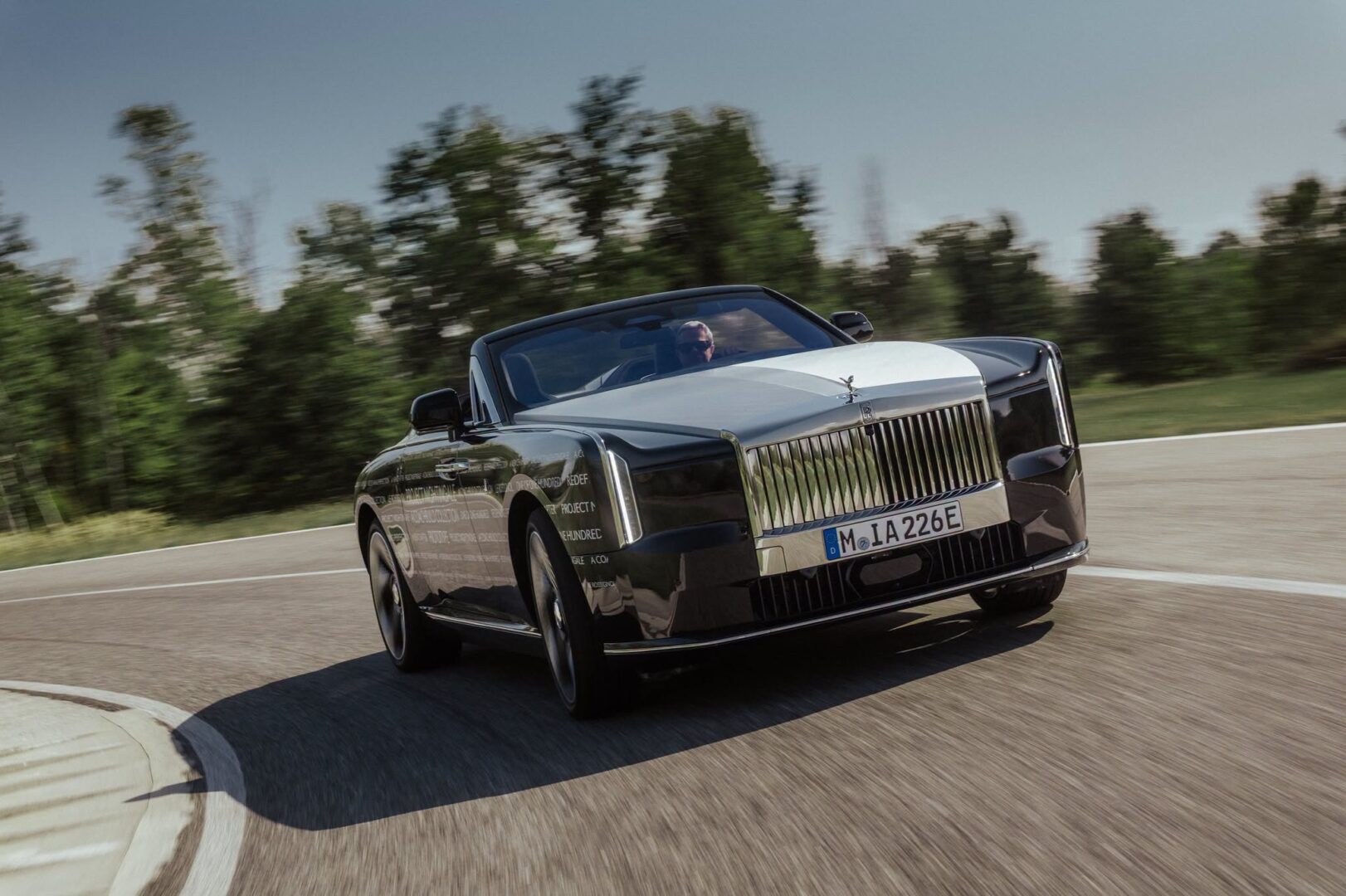
The commitment to comfort extends to the roof, which incorporates a bespoke acoustic lining combining cashmere, woven textiles and composite materials. The roof system has undergone ten separate testing categories, covering areas such as fabric performance, mechanical operation and functionality at temperatures of up to 80°C.
These assessments are designed to ensure that the motor car’s refinement remains consistent across the varied climates and lifestyles of Rolls-Royce clients worldwide.
Another defining engineering feature is the Piano Boot, a distinctive side-opening luggage compartment that makes its debut on a Rolls-Royce motor car. The mechanism has undergone 15,000 opening and closing cycles to verify its durability and ensure that its elegant operation can be maintained over decades of ownership.
While advanced instruments provide precise measurements, not every aspect of refinement can be expressed numerically. The final judgement also depends on the instinct and experience of Rolls-Royce’s seasoned engineers, whose expertise will determine when Project Nightingale delivers the performance, comfort and composure expected of the marque.
Rolls-Royce Motor Cars Bangkok (Rama III)
Telephone: +66 (0)2 670 6060
Facebook: Rolls-Royce Motor Cars Bangkok
LINE Official: Rolls-Royce Bangkok
Instagram: RollsRoyceThailand
Website: https://www.rolls-roycemotorcars.com/