



Supports TAT’s “Nihao Month” Campaign for Golden Week as Song Wat and Khlong Bang Luang Emerge as Trending Hotspots, While Banthat Thong Regains Its Foodie Following
Grab, Thailand’s leading superapp for ride-hailing and food delivery, has revealed new insights into the travel and dining behaviour of Chinese tourists in Thailand. Ride-hailing demand among Chinese travellers grew by more than 75% over the first nine months of 2026¹, with Song Wat and Khlong Bang Luang Floating Market emerging as some of the year’s fastest-growing destinations. Meanwhile, Chiang Rai continues to rank as the most popular secondary destination, particularly among travellers seeking nature and cultural experiences.
On the culinary front, Banthat Thong Road has made a strong comeback, with ride-hailing demand increasing threefold² as Chinese visitors follow recommendations for popular seafood and hotpot restaurants. Meanwhile, mango sticky rice remains the most popular Thai dessert, with orders through GrabFood increasing by more than **50%**³.
Panomkorn Jirasathienpong, Assistant Managing Director, Marketing, Grab Thailand, said: “Chinese tourists have reclaimed their position as Thailand’s largest international visitor group this year. During the first nine months of 2026, from 1 January to 26 September, more than 3.82 million Chinese tourists visited Thailand⁴. This is reflected in activity on the Grab platform, where Chinese travellers remain a key customer segment, with ride-hailing demand growing by more than 75% compared with the same period last year.
“We are also seeing Chinese travellers increasingly use social media platforms such as Xiaohongshu to discover information and plan their trips in Thailand. Throughout this year, Thailand-related travel keywords have generated more than 13 million searches among Chinese users⁵.”
Grab has also identified several notable trends reflected in the behaviour of Chinese tourists visiting Thailand this year.
Song Wat and Khlong Bang Luang Emerge as Trending Check-in Destinations, Lamphun Gains Momentum as a Rising Secondary Destination


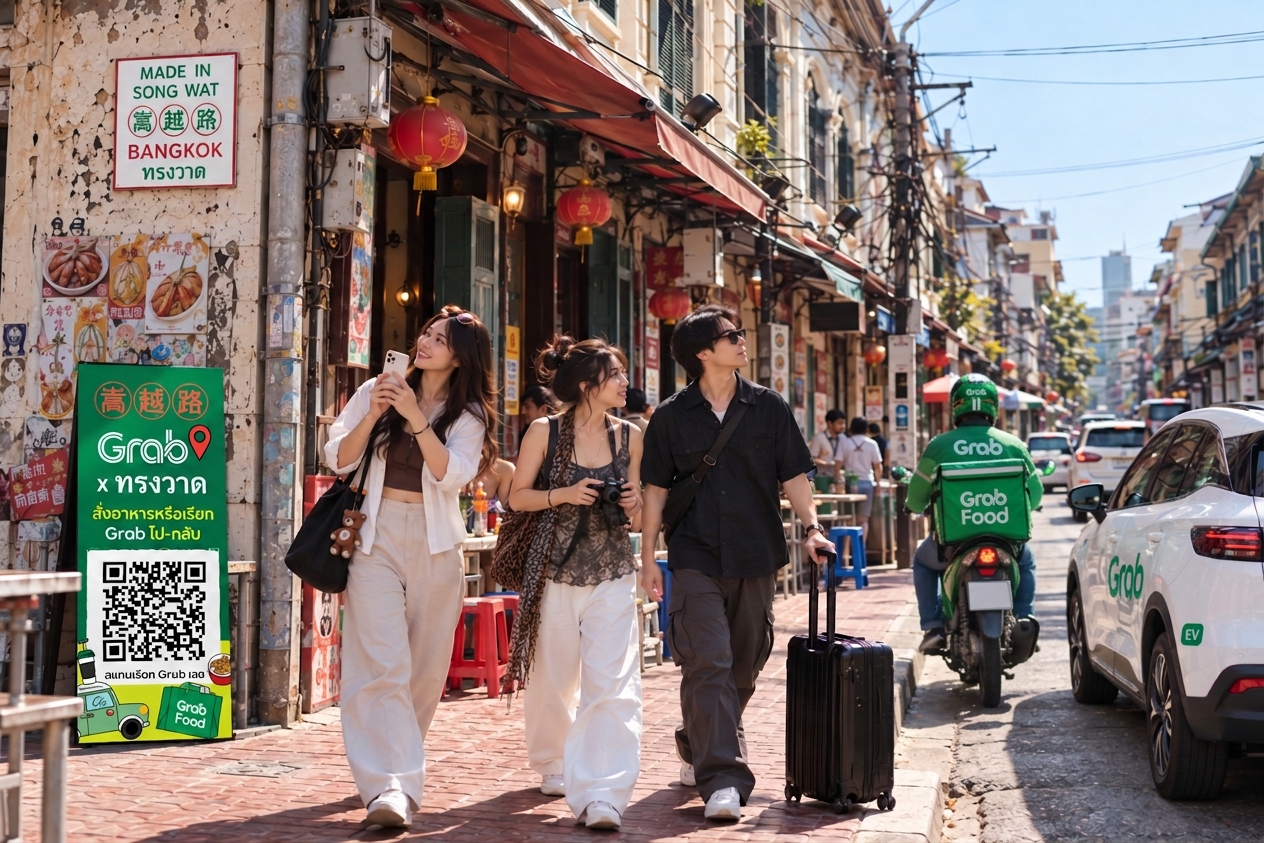
Content-driven travel continues to shape destination choices. Chinese travellers are increasingly drawn to destinations offering distinctive experiences and photogenic locations to share on social media. Bangkok’s historic Song Wat neighbourhood has emerged as a trendy hotspot, thanks to its mix of cafés, restaurants, shopping and street art. Ride-hailing trips to and from the area surged tenfold⁶. Similarly, Khlong Bang Luang, known for its riverside community atmosphere, has attracted Chinese content creators and travellers seeking authentic photo opportunities, with ride-hailing demand increasing more than 12 times⁶. Another recent viral trend, “Malai Rak Klao”, sees Thai youths incorporating lotus garlands into their hairstyles, giving a contemporary twist to a traditional Thai look. The trend has gained popularity among Chinese visitors, contributing to an almost twofold increase in ride-hailing trips to Pak Khlong Talat flower market⁶.
Beyond Bangkok and major destinations such as Chiang Mai, Pattaya and Phuket, Thailand’s secondary cities are also gaining popularity. Chiang Rai remains the most visited secondary destination among Chinese travellers, with attractions such as Wat Rong Khun (White Temple) and Wat Rong Suea Ten (Blue Temple) proving particularly popular. Meanwhile, Lamphun has emerged as a rising destination, recording more than fourfold growth in ride-hailing demand⁶.

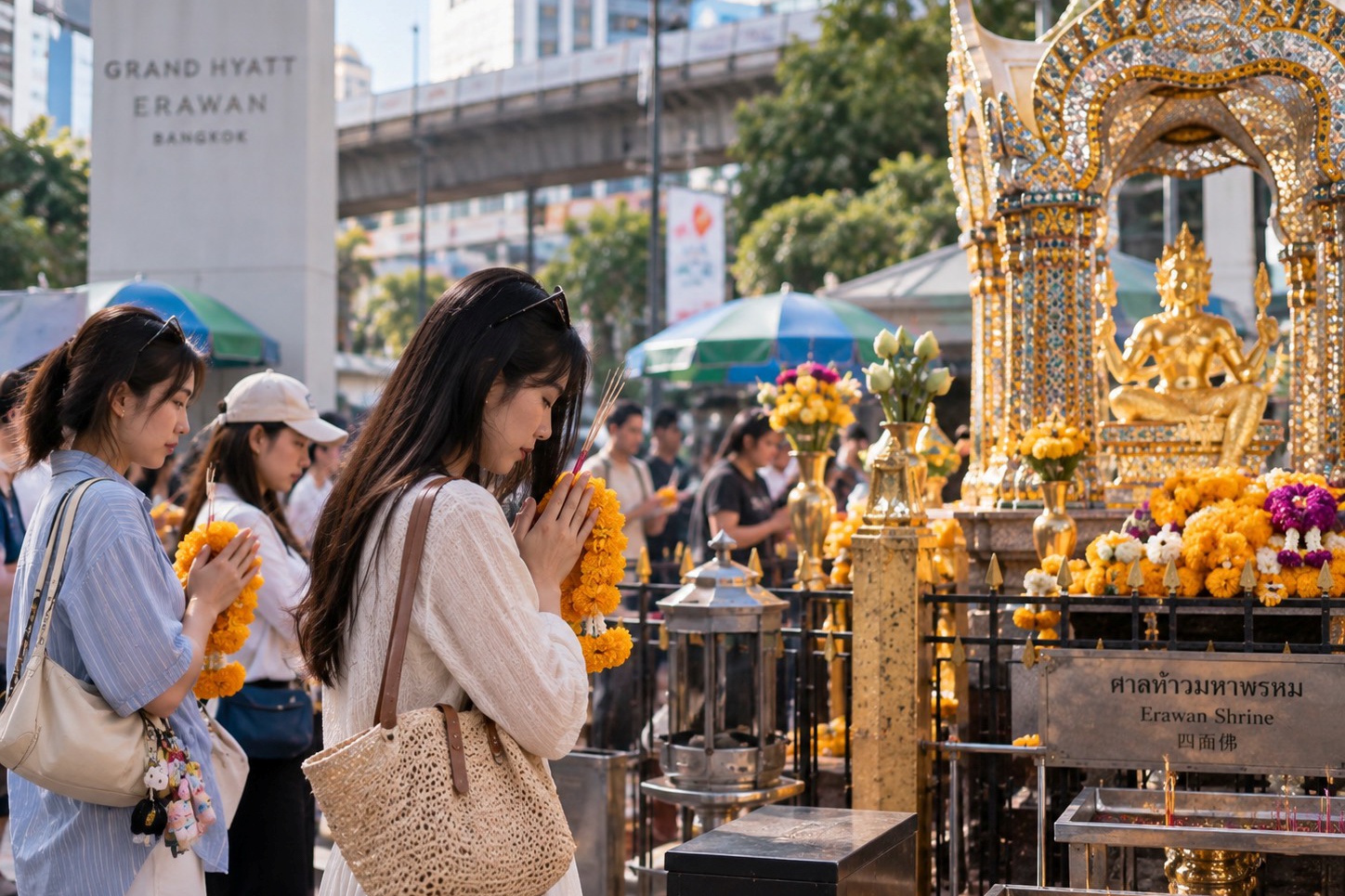
The “Mu Te Lu” trend — travelling for blessings, good fortune and spiritual experiences — also remains popular among Chinese visitors. This is reflected in ride-hailing demand to spiritual destinations, particularly the Ganesha Shrine in Huai Khwang, popular for prayers related to success, and the Trimurti Shrine at CentralWorld, a destination associated with love and relationships. Ride-hailing trips to both locations increased by more than **45%**⁶.
Banthat Thong Makes a Comeback as Chinese Tourists Follow Seafood and Hotpot Trends, Mango Sticky Rice Remains the No. 1 Thai Dessert
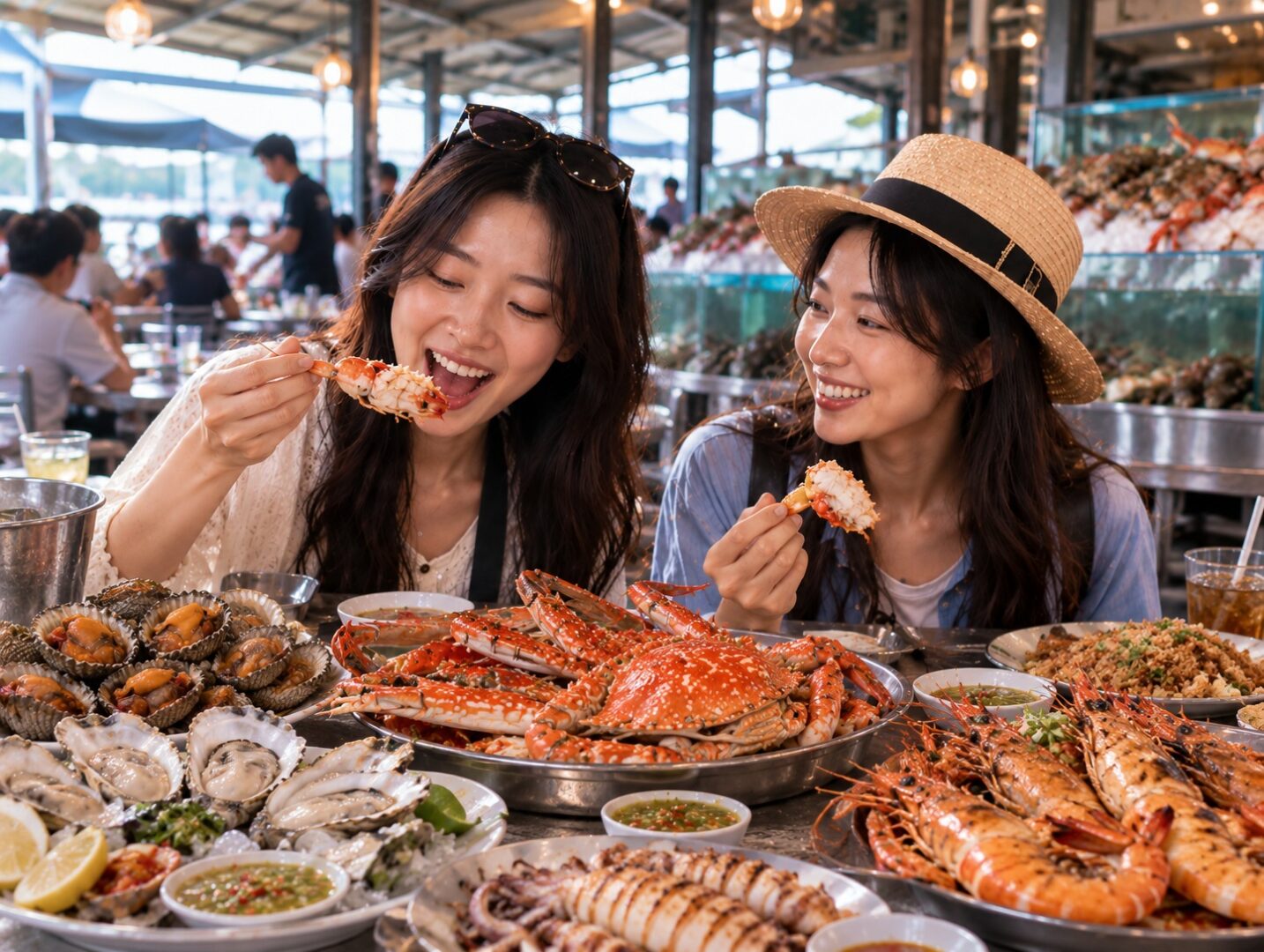
Banthat Thong Road, one of Bangkok’s best-known food streets, has regained momentum among Chinese visitors, with ride-hailing demand increasing threefold⁶. Other popular dining areas include Ratchada, Huai Khwang and Rama 9, where Chinese tourists are particularly keen to seek out seafood and hotpot restaurants. Popular venues include Som Som Seafood on Banthat Thong, Khot Thale Seafood Buffet, and Long Mala in the Rama 9 RCA area, all of which have attracted long queues. Another popular stop is Nueng Nom Nua, a homemade milk and bakery shop on Banthat Thong that regularly draws Chinese visitors throughout the day.
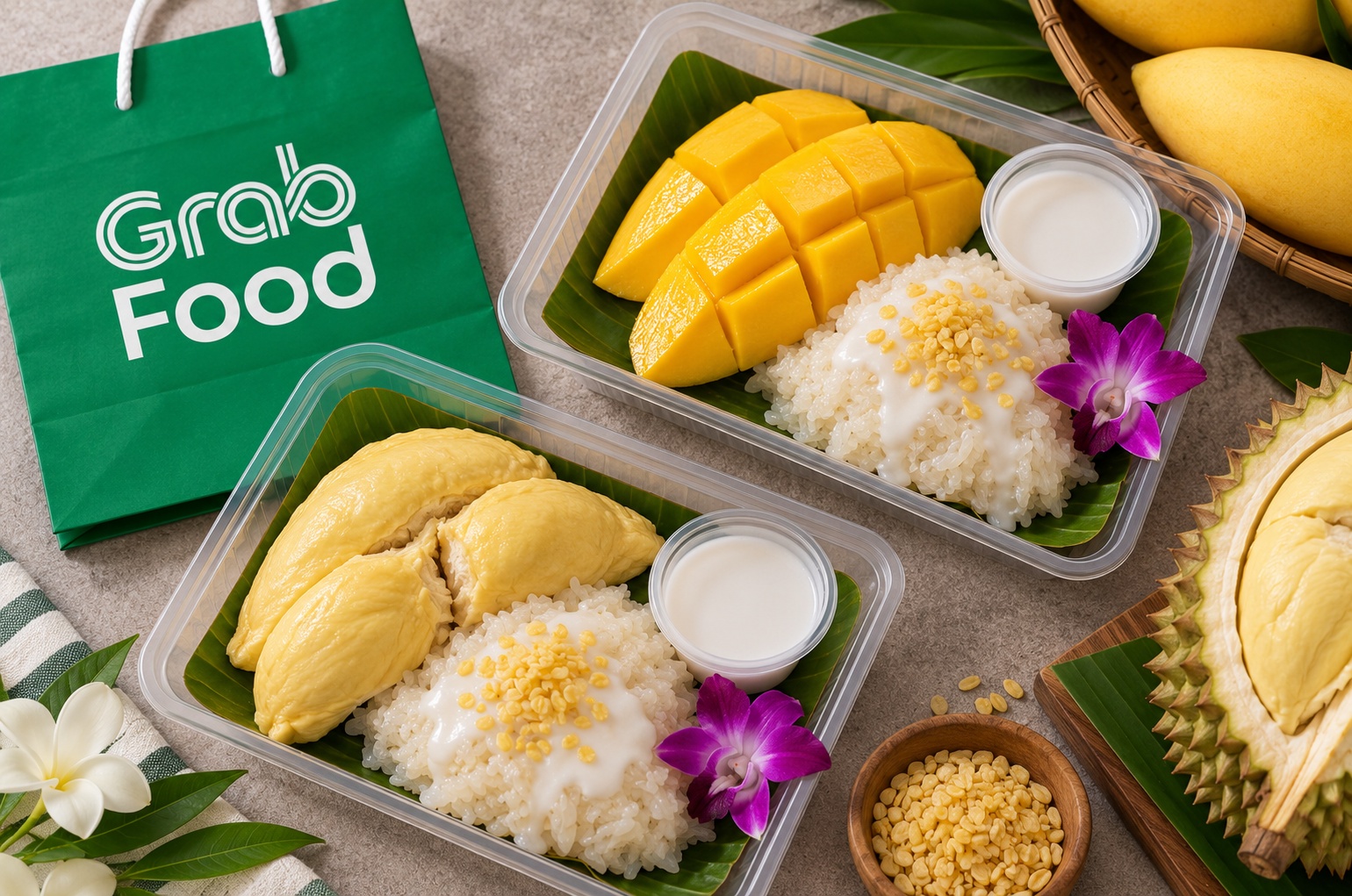
Chinese travellers continue to seek out Thai-style desserts, with mango sticky rice retaining the top spot and GrabFood orders increasing by more than 50%. Looking at menu-search behaviour, durian sticky rice emerged as the fastest-growing search term, generating more than 27,000 searches⁷.
Grab Partners with TAT for “Grab Grand Golden Week”

To welcome Chinese tourists travelling to Thailand during Golden Week, or China’s National Day holiday, from 1–7 October, a period when ride-hailing demand typically increases by around **90%**⁸, Grab has partnered with the Tourism Authority of Thailand (TAT) to promote Thai tourism through the Grab Grand Golden Week campaign, aligned with TAT’s Nihao Month 2026 initiative.
The campaign aims to enhance convenience and confidence among Chinese travellers through a range of initiatives, including collaborations with Xiaohongshu influencers to create content highlighting the latest travel trends and destinations; promoting safety features and ride-hailing services with drivers who can communicate in Chinese; and providing Chinese-language pick-up and drop-off signage at popular tourist attractions.
Grab will also organise welcome activities and pop-up booths in key areas including Banthat Thong, Yaowarat and ICONSIAM, offering special discounts on ride-hailing and food delivery services. These initiatives are designed to help Chinese travellers explore Thailand with greater convenience and confidence.
Panomkorn added: “Through these initiatives, Grab aims to make it easier for Chinese travellers to discover Thailand, while providing greater convenience, safety and confidence throughout their journey.”