


Funding Societies explores how businesses are redefining the role of real estate, recognising it not only as a store of wealth but also as a strategic financial asset that strengthens liquidity and enables growth.
Thai businesses are operating in an increasingly challenging economic environment, with elevated interest rates, persistent inflation and continued economic uncertainty weighing on investment and business expansion. While many companies are seeing stronger demand and renewed growth opportunities, longer payment cycles are placing increasing pressure on cash flow. As receivables take longer to collect while operating costs remain high, liquidity has become a defining factor in business resilience.
Yet many business owners face a common challenge. Owning valuable real estate does not always translate into access to financing. Traditional lenders typically assess borrowers not only on the value of their collateral, but also on the strength of their financial statements, profitability and proven operating track record. As a result, businesses with strong underlying assets may still find it difficult to secure funding if they have limited financial history, are experiencing temporary cash flow constraints, or have yet to recognise revenue from projects already in the pipeline.
 In Thailand, Funding Societies operates through two distinct entities. The first, known as FS Siam Co., Ltd., holds a crowdfunding platform license from the Securities and Exchange Commission. Meanwhile, the second entity, FS Capital Co., Ltd., specializes in direct lending to small and medium-sized enterprises (SMEs), which falls outside the SEC’s regulatory scope. This structure reflects a business approach capable of effectively supporting a diverse range of financial needs.
For other businesses, the challenge is different. Some have already mortgaged their property but are unable to obtain additional funding despite having substantial remaining equity. Others require short-term working capital to seize business opportunities, while conventional mortgage facilities are generally structured for longer-term financing. In each case, valuable assets exist, but liquidity remains out of reach.
This challenge comes at a time when property values continue to appreciate. According to data from Thailand’s Real Estate Information Center*, urban and metropolitan land prices have risen by an average of 14–15%, while land in key industrial and logistics corridors has appreciated by more than 40%. Yet much of this value remains locked within property and cannot always be converted into timely funding when businesses need it most.
The consequences can be significant. Healthy accounting profits may mask growing cash flow pressures, disrupting procurement, delaying expansion and limiting a company’s ability to capitalise on new opportunities. In many cases, businesses are forced to forgo new contracts or postpone investment, not because demand is lacking, but because they cannot access working capital quickly enough.
The “asset-rich, cash-poor” dilemma has become an increasingly common challenge for Thai businesses. According to the Bank of Thailand’s 2024 findings, many SMEs continue to face structural barriers to formal financing due to limited financial records and the high cost of credit assessment**. As financing needs evolve, businesses are increasingly seeking funding solutions that recognise both the value of their assets and the realities of today’s operating environment.
This shift is changing the way businesses think about real estate. Rather than viewing property solely as a long-term investment, companies are increasingly recognising it as a strategic financial asset that can strengthen liquidity, improve capital efficiency and support business growth. The focus is no longer simply on owning valuable assets, but on putting those assets to work.
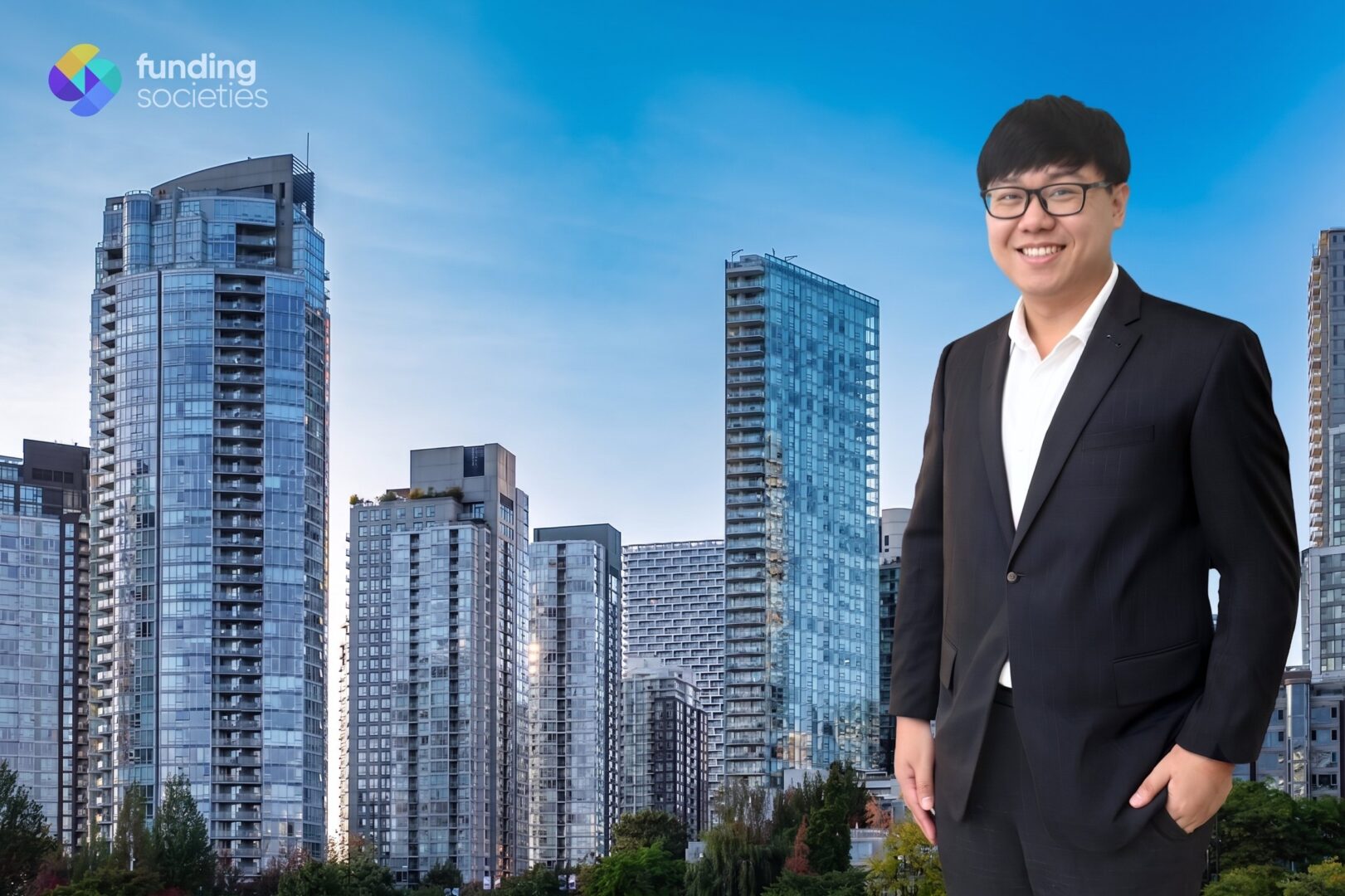
“Many businesses assume liquidity comes from profits. In reality, liquidity often depends on how effectively assets are utilised. Property should no longer be viewed simply as a balance sheet asset. It can also become a strategic source of liquidity when businesses need capital most,” said Mr Pumikorn Suriyasriwan, Head of Sales at Funding Societies Thailand.
To support this evolving need, Funding Societies’ Sale of Real Property with Right of Redemption (Kai Fak) is designed to help business owners unlock the value of existing property through a faster and more flexible financing process. The solution requires fewer documents than conventional mortgage financing and offers approval within approximately five to seven business days, enabling businesses to access funding more quickly when liquidity is critical.
Whether a business owns debt-free property, has untapped equity in an existing mortgaged asset, or requires short-term working capital, Property-backed Financing offers an alternative funding pathway where traditional lending may not always meet business needs. The financing facility provides funding of up to 60% of a property’s appraised value with competitive financing rates, while allowing borrowers to retain the right to redeem their property under clearly defined contractual terms.
In today’s business environment, where speed and financial flexibility have become competitive advantages, the ability to convert property into working capital is increasingly important. As businesses continue to navigate economic uncertainty, property-backed financing is emerging as a practical complement to traditional lending—helping companies unlock the value of existing assets and transform idle property into a strategic source of business liquidity.
To learn more about Funding Societies’ Sale of Real Property with Right of Redemption (Kai Fak), visit fundingsocieties.co.th.